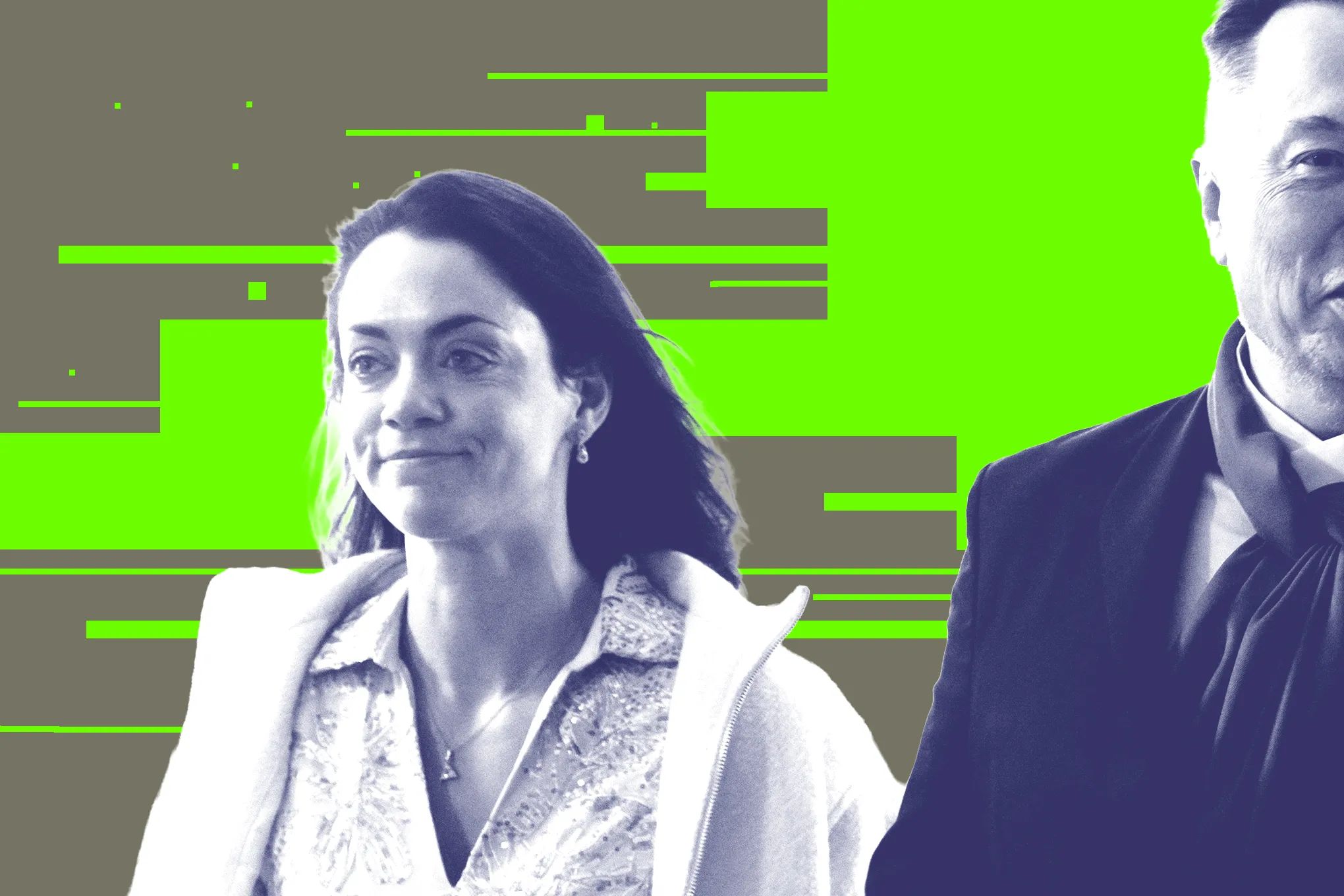
In a gripping courtroom saga that continues to captivate the tech world, Shivon Zilis, a key figure in Elon Musk's orbit and the mother of his four children, has transformed from staunch supporter to pivotal witness, casting serious doubts on Musk's position in the high-stakes trial involving OpenAI and Sam Altman.
During her testimony, Zilis painted a complex portrait of her relationship with Musk, asserting under oath that she was not just an advisor but integral to Musk's expansive AI ambitions, which encompass Tesla, Neuralink, and OpenAI. Their relationship, which began in 2017 and included a romantic entanglement, now raises numerous questions about the influence and the dynamics of power within the tech giant.
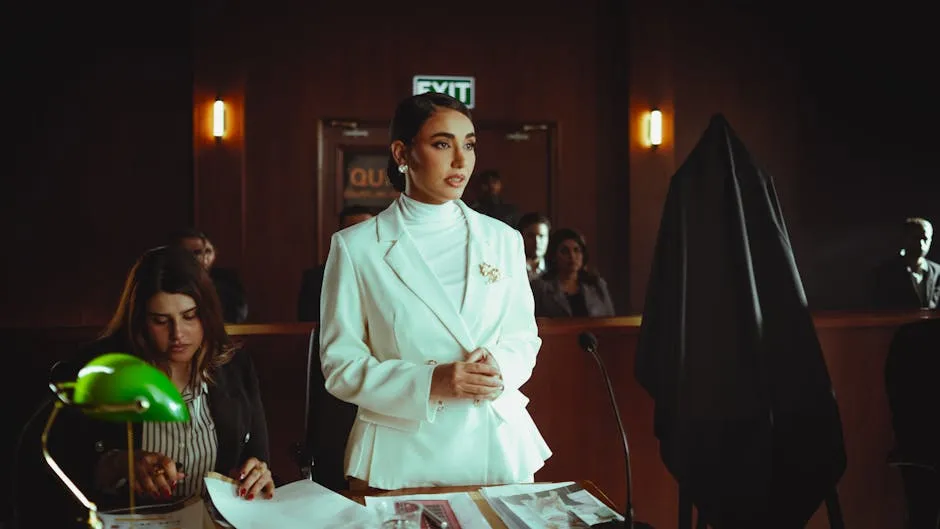
Zilis' notes, purportedly the most critical evidence presented to date, suggest that Musk’s control and intentions surrounding OpenAI may not have been as transparent as previously stated. Among her documents are emails discussing urgent shifts toward a profit model and clear reservations about Musk's potential for overreach—warning that for the co-founders, an "ironclad agreement" was essential to ensure he did not wield unfettered power over artificial general intelligence.
“It was just bananas,” Zilis recalled of her work ethic, reportedly dedicating between 80 to 100 hours a week to solving bottlenecks within Musk’s operations. This intense commitment coincided with the birth of her twins, conceived via IVF, during her tenure on OpenAI's board. Zilis admitted to keeping the children's parentage a secret from even her closest family, revealing a tangled web of loyalties and personal choices that complicate her testimony.
Despite her insistence that she did not funnel information to Musk, Zilis's role as a intermediary in critical discussions about the future of OpenAI was highlighted as a significant concern. Her ability to calibrate “good headspace” moments for Musk raised eyebrows, especially in light of previous accusations from board members, including Altman and Musk, suggesting that they feared for their safety amid Musk's volatile temperament.
Amid the court’s electric atmosphere, Zilis's demeanor reflected the weight of her revelations. While her testimony sought to clarify her involvement, it inadvertently amplified the doubts surrounding her allegiance and judgment during key events, particularly surrounding the controversial board decision to fire Altman.
Testifying that Altman’s perceived shift away from OpenAI’s original mission was “terrifying,” Zilis's words faltered under scrutiny as the courtroom examined her notes and emails discussing funding freezes, negotiations, and management directives—undermining her assertions of impartiality during a fraught period.
Musk, once seen as the visionary architect of the AI revolution, finds himself grappling with the ramifications of Zilis's testimony, as it raises profound questions about not only his leadership but also the ethical frameworks guiding AI development. The trial’s outcome could redefine the course of OpenAI and its founders, with implications reverberating through the entire tech sector.
The path ahead remains fraught with tension as key players await the court’s ruling, and the stakes have never been higher, echoing beyond the courtroom and into the broader societal discourse on artificial intelligence.
Source: The Verge
Source: The Verge