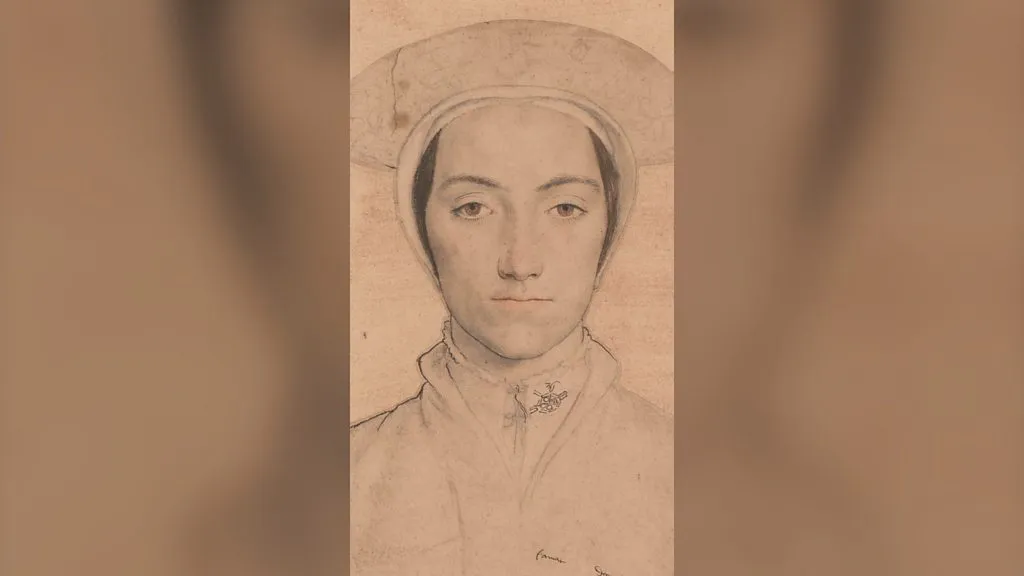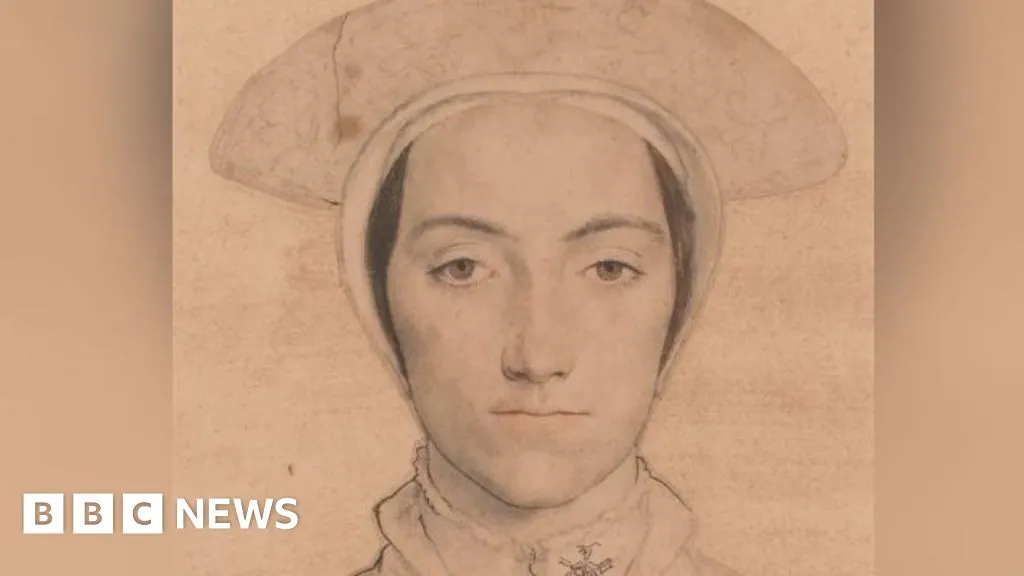
A groundbreaking study from a computer science team at the University of Bradford may have unveiled the true likeness of Anne Boleyn, the infamous second wife of King Henry VIII. Utilizing advanced facial recognition technology on a collection of Tudor artworks, researchers believe they have identified a previously unrecognized sketch believed to depict Boleyn, challenging long-held notions about her appearance.
Boleyn's legacy is fraught with intrigue, marked by her dramatic rise to power and tragic execution in 1536 on charges including adultery and treason. Despite her significant historical impact, the true appearance of the Tudor queen has eluded scholars and enthusiasts alike, largely due to the absence of reliable portraits created during her lifetime. Most existing depictions were crafted posthumously, compounding the mystery surrounding her physical features.
In a significant leap, the team employed machine-learning algorithms to analyze a renowned collection of portraits by Hans Holbein the Younger, renowned for his detailed portrayals of Tudor court members. They assert that this method could potentially unravel historical inaccuracies tied to age-old labels affixed to these artworks. Professor Hassan Ugail, from the University of Bradford, described the methodology: "What we are looking at is a bunch of drawings, and then we are comparing these drawings through a machine-learned algorithm." 
However, skepticism lingers within the art history community. Dr. Charlotte Bolland, a senior curator at the National Portrait Gallery, expressed her caution over the findings, stating, "We don’t have a lifetime painted portrait of her that’s absolutely secure. Her reign wasn’t long enough for an established iconography, and there is tantalizing evidence that some of her images might have been deliberately destroyed."
The investigations focused on a known preparatory sketch attributed to Holbein that has previously been labeled as an unidentified woman. While some modern historians endorse the existing attribution, claiming it depicts Elizabeth Howard, Boleyn's mother, the recent computational analysis argues otherwise. Karen Davies, the lead author of the study, expressed her astonishment at the results, claiming, "The result has shocked us completely," indicating the machine has potentially uncovered Boleyn's likeness obscured in history.
Yet, not all scholars concur with this sentiment. Dr. Bendor Grosvenor, a noted art historian, dismissed the project as flawed and expressed concern over how a mere algorithm could challenge centuries of established art history. "It’s suspicious that 500 years of art history is being questioned through what I consider a flawed methodology," he stated.
Despite the ongoing debates, the Royal Collection Trust remains neutral while welcoming academic inquiries into its artworks, emphasizing the importance of rigorous scrutiny in understanding historical artifacts.
As this discourse unfolds, the interplay between art history and technology is set to profoundly reshape our comprehension of figures like Anne Boleyn, bringing us one step closer to unveiling the often elusive narratives of the past.
Source: BBC Science