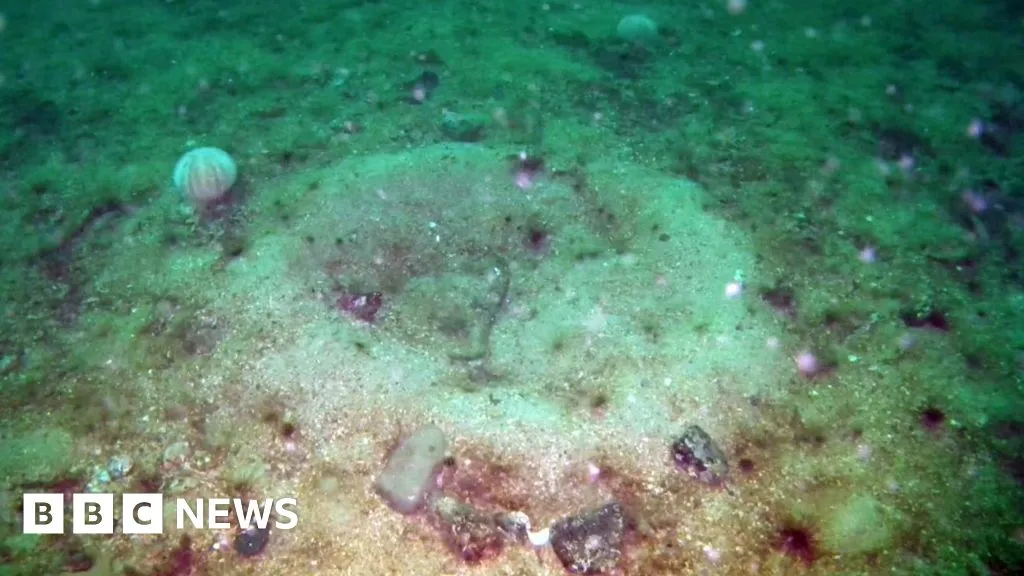
In a significant development that underscores the resilience of marine ecosystems, an area of seabed severely damaged by illegal dredging in Scotland's Summer Isles is showing early signs of recovery. Conservationists are heralding these improvements as proof that when properly protected, the ocean's delicate habitats can regenerate.
The Open Seas coalition, a collaborative effort among scientists, activists, and some fishermen, is intensifying its push for stronger marine protections. They plan to present a petition to the Scottish Parliament, demanding that at least 30% of Scotland's inshore waters be designated as protected from destructive fishing practices.
Impact of Illegal Dredging
The controversial practice of dredging involves dragging heavy fishing gear along the seabed, a method criticized for decimating marine habitats. The 2019 incident, whereby an illegal dredger disrupted parts of the Wester Ross Marine Protected Area (MPA), left a stark wake of ecological destruction, exposing the fragility of the marine environment.
Yet, recent observations using a remotely operated underwater drone reveal promising signs of recovery, including the return of sea cucumbers, crabs, and various algae. While full ecological restoration could span a decade, initial findings indicate that life is slowly returning to the affected zones. 
Calls for Urgent Action from Government
Phil Taylor, director of Open Seas, emphasizes the importance of these habitats as nurseries for juvenile fish, particularly cod, a species that has seen a dramatic decline in numbers. “Once abundant along our coasts, cod deserve a chance to rebound,” he noted, stressing the need for collective efforts to protect these crucial environments.
In a bid to expedite protective measures, campaigners are set to gather outside the Scottish Parliament, where they will urge lawmakers to implement more effective Marine Protected Areas (MPAs). Despite over 240 MPAs currently established, many still lack real restrictions on fishing practices, leaving vast segments of vital coastal ecosystems unprotected.
As public frustration mounts, evidenced by over 16,500 signatures on their petition, advocates like Joe Richards of the Blue Marine Foundation contend that inaction is leading to barren coastal waters and the loss of vital fishing livelihoods. “The Scottish public is tired of waiting. It’s time for decisive action to safeguard our coastal seas,” he insisted.
Regulatory Critique and Future Steps
An independent report by Environmental Standards Scotland has criticized government officials for their inadequate responses regarding marine conservation. Labeling their efforts as “non-compliant and ineffective,” the report highlights a worrying gap between rhetoric and action.
As optimism grows over the observed recovery in the Wester Ross MPA, the call for swift governmental action intensifies. Conservationists argue that establishing comprehensive MPAs could be a critical component in restoring the health of Scotland's coastal ecosystems and reviving its ailing fishing communities.
For more details on this story, visit the .
Source: BBC Science