
In a revolutionary step towards greener technology, Nvidia has unveiled its Rubin generation reference design for data centers, touting a drastic reduction in water usage by operating at elevated temperatures. The company claims that its innovative approach, which utilizes 100% liquid cooling, minimizes both energy and water needs to levels nearing zero.
Data centers have been under scrutiny for their notorious consumption of both water and energy, leading to public pushback against their environmental impact. With this newly launched design, Nvidia asserts it has effectively transformed traditional cooling methods, eliminating the need for substantial water reservoirs typically required in cooling-tower systems.
Redefining Efficiency
Nvidia aims to run its AI servers at temperatures as high as 113 degrees Fahrenheit (45 degrees Celsius). This bold strategy mirrors initiatives from other tech giants, such as Amazon, which are increasingly promoting higher temperature tolerances as a pathway to boost cooling efficiencies in predominantly air-cooled systems.
One of the key advantages of Nvidia's liquid-cooled design is its ability to capture heat directly from the chip and transport it efficiently through liquid loops. This operation allows outdoor dry coolers to discard heat with exceptional effectiveness for extended periods each year, adapting seamlessly to varying ambient air temperatures. This claim is backed by Josh Parker, Nvidia’s head of sustainability, who noted that their design can cut water consumption by as much as 100%, reducing the requirement from an astonishing 2.6 million gallons per megawatt annually.
However, Nvidia's assertions do not fully address all concerns associated with AI data centers, especially regarding the construction phase and the extensive energy needed to power these colossal facilities. Critics point out the lack of transparency in terms of the economic viability of the new liquid cooling system compared to traditional air cooling methods.
Broader Implications
This initiative comes amidst a backdrop of growing community resistance against data centers, often driven by fears over their lingering environmental footprints. As more cloud providers and data center operators adopt Nvidia’s Rubin design, the impact on sustainability and local ecosystems remains a crucial area for public and expert scrutiny.
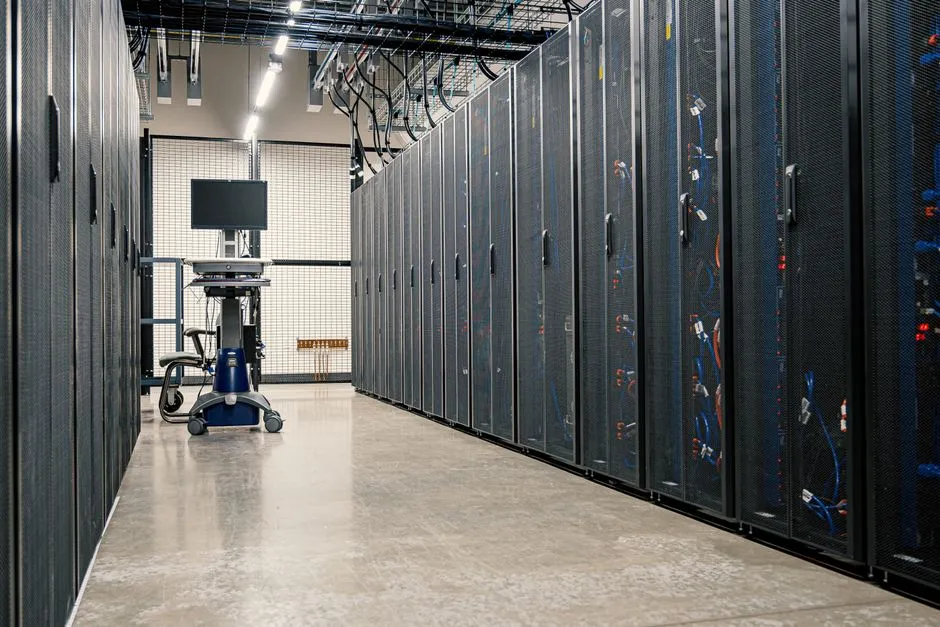
Nvidia's foray into this advanced cooling technology may signal a transformative moment for the industry, as it navigates the delicate balance between expanding computational needs and environmental stewardship.
Source: The Verge