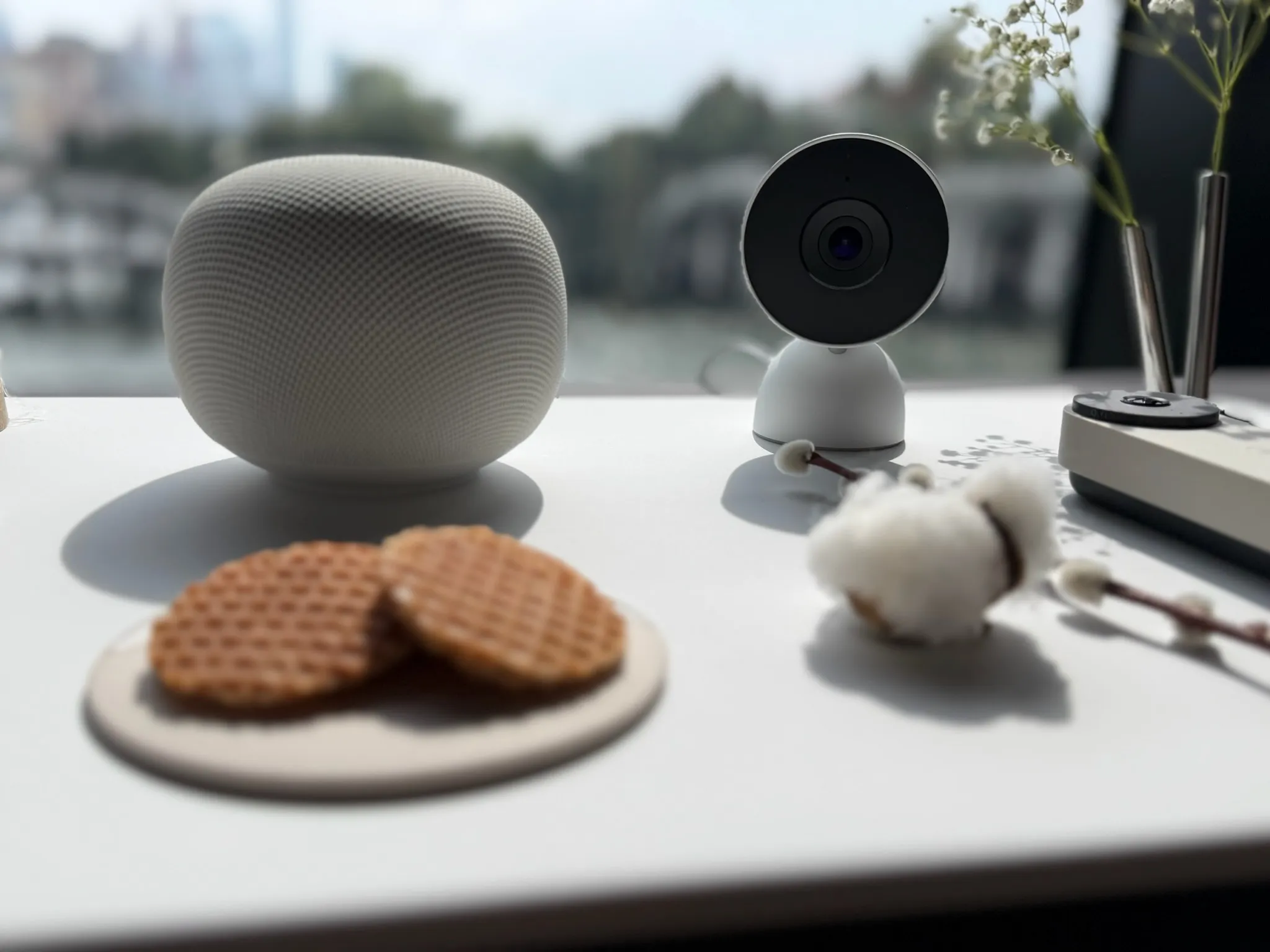
The promise of a fully integrated smart home is facing an unsettling reality: as companies like Google and Amazon pivot towards AI-powered subscription models, consumers are left grappling with higher bills and dwindling returns on their investments.
Even tech titans have struggled. Amazon’s extensive deployment of Echo devices has not translated into profits, compelling the retail giant to reassess its strategy in the smart home sector. Similarly, Google’s ambitious Nest initiative has reportedly failed to deliver a sustainable financial return. However, a recent announcement from Google signals a shift in strategy, with hopes that AI subscriptions may finally yield the long-awaited profitability.
This week at Google I/O, the company unveiled its plan to expand the reach of its Gemini for Home initiative. The new capabilities are designed to allow third-party manufacturers to incorporate advanced AI features into their applications, essentially enabling the sale of subscription services that promise smarter, more responsive home environments.
Ravi Akella, Google’s director of product management for the Home Platform, articulated this vision, stating it will empower service providers and hardware manufacturers to deliver “monetizable, proactive services that care for users and their homes.” 
Innovative Potential Amid Subscription Fatigue
The latest features announced include enriched enhancements to Google’s existing ecosystem, such as AI-generated alerts that offer detailed descriptions of home activity – transforming simple notifications into more informative updates like, “A child is riding a bike on the lawn,” instead of the generic “Person detected.”
Google is also extending its Home Brief functionality, which summarizes daily activities from devices around the home, to third-party developers. This move will enable other service providers to integrate the benefits of the Google Home Premium subscription into their own offerings, broadening the accessibility of Gemini-powered services.
The Subscription Model Transformation
As the smart home landscape evolves, familiar entities such as ADT and AT&T are beginning to leverage Google’s expanded API to enhance their home security systems. The prospect of integrated smart home setups being offered through internet service providers, wireless carriers, and even home security firms signifies a notable shift in how consumers might interact with smart technologies.
However, while the allure of intelligent home automation continues to grow, experts warn against an impending wave of subscription fatigue. Many users find themselves confronted with a plethora of service offerings that promise enhanced user experiences but fall short in delivering tangible benefits. Users may discover themselves inundated with superfluous notifications rather than having a system that effectively understands and prioritizes their unique home dynamics.
The advancements in AI, while promising, have often proven to be more akin to sophisticated computer vision than truly revolutionary intelligence. Instances of misidentification—from confusing a beloved pet with wildlife to alerting users of routine activities—highlight the necessity for a more accurate and context-aware AI home assistant.
Towards a Smarter Home Future
The ultimate ambition for the smart home market remains rooted in creating genuinely proactive environments. Solutions that recognize routine patterns and can flag anomalies—such as alerting homeowners about an unlatched gate or an elderly family member in need of assistance—will drive real value in consumer technology.
While services such as Ring's new 'Unusual Event Alerts' aim to address this gap by notifying users of potentially concerning situations, the technology is still finding its footing. The goal is clear: to move towards robust algorithms that not only notify but provide actionable insights to users, enriching their daily lives.
As Google positions itself as a leader in this burgeoning market, consumers are left at a crossroads: will they embrace the potential of a smarter home at the cost of subscription fatigue, or hold out for a more genuinely intelligent solution that brings true value to their lives?
Source: The Verge
Source: The Verge