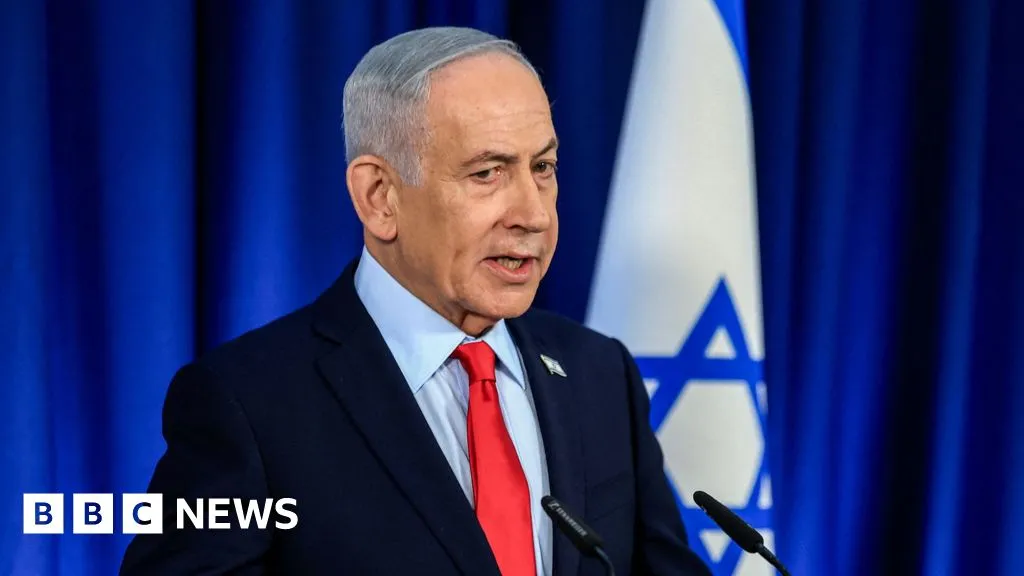
The political landscape in Israel is shifting dramatically as Prime Minister Benjamin Netanyahu contends with the ramifications of Donald Trump’s recent ceasefire agreement with Iran. This unexpected move has left Netanyahu ensnared in a complex web of political and security dilemmas, challenging the very foundations of his long-standing leadership.
Once perceived as a key influencer in Washington, Netanyahu now finds himself in the uncomfortable position of defending his strategies against an ally that seems to publicly undermine his authority. Trump’s controversial ceasefire has elevated Iran’s bargaining power, potentially allowing the nation to strengthen its ties with Hezbollah, a point of significant tension for Israel as it prepares for imminent elections.
Rising Tensions and Political Pressure
Netanyahu's response to Trump’s remarks—accusing him of lacking judgment in ordering a recent strike on Beirut—has fueled opposition claims that he is unable to safeguard Israeli interests. Opposition leader Yair Lapid articulated the dilemma succinctly, stating that Netanyahu's choices narrow down to either a confrontational standoff with a key ally or an unwilling concession of national security interests.
Adding to Netanyahu's woes, members within his own Likud party and far-right cabinet ministers are voicing dissatisfaction with the terms of the ceasefire. National Security Minister Itamar Ben-Gvir openly dismissed the agreement as ineffective, insisting Israel would not be bound by arrangements that compromise its security. “We are not partners to this agreement that does not ensure our security,” he stated emphatically.
Meanwhile, Likud lawmaker Ariel Kallner maintained that Israel would continue taking necessary actions to protect itself, implying that military operations may persist despite the ceasefire, thereby exacerbating the delicate diplomatic tensions in the region.
The Stakes for Israeli Security
As Netanyahu grapples with the ramifications of the deal, analysts and former security officials express grave concern over its potential impact. Sima Shine, a former Mossad official and expert on Iran, warned that the new dynamics allow Iran to solidify its influence in Lebanon, thereby complicating Israel's security situation further.
In a tense press conference, Netanyahu defended his tenure, reiterating his lifelong commitment to preventing Iran from acquiring nuclear capabilities. “We will do what is necessary,” he asserted, even as he acknowledged diverging views with Trump on certain issues. The Prime Minister emphasized that Israel would maintain operational freedom, vowing to respond firmly to any threats.
A Precarious Path Ahead
With security having been the cornerstone of Netanyahu's electoral platform, the current backlash poses significant risks to his political image. Following the devastating October 7 Hamas-led attacks, he adopted a more aggressive stance on security, advocating for preemptive measures rather than mere containment of threats. Yet, as the political clock ticks towards the next elections, the pressing question remains: how will Netanyahu navigate this unprecedented political minefield?
As pressures mount from both domestic dissent and international dynamics, the Israeli Prime Minister's next steps could prove pivotal—not just for his political survival, but for the broader stability of the region itself.
Source: BBC News
Source: BBC World News