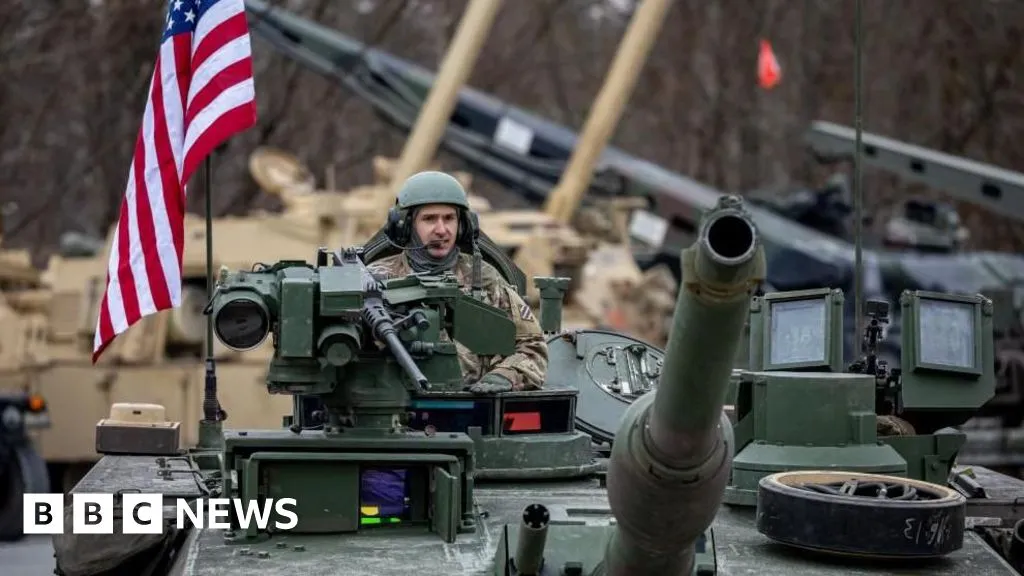
In a significant geopolitical shift, Germany’s Defence Minister, Boris Pistorius, has labeled the recent US decision to withdraw 5,000 troops from Germany as "foreseeable." This development unfolds amidst rising concerns within NATO about the implications for European security as the alliance seeks clarification on the decision from Washington.
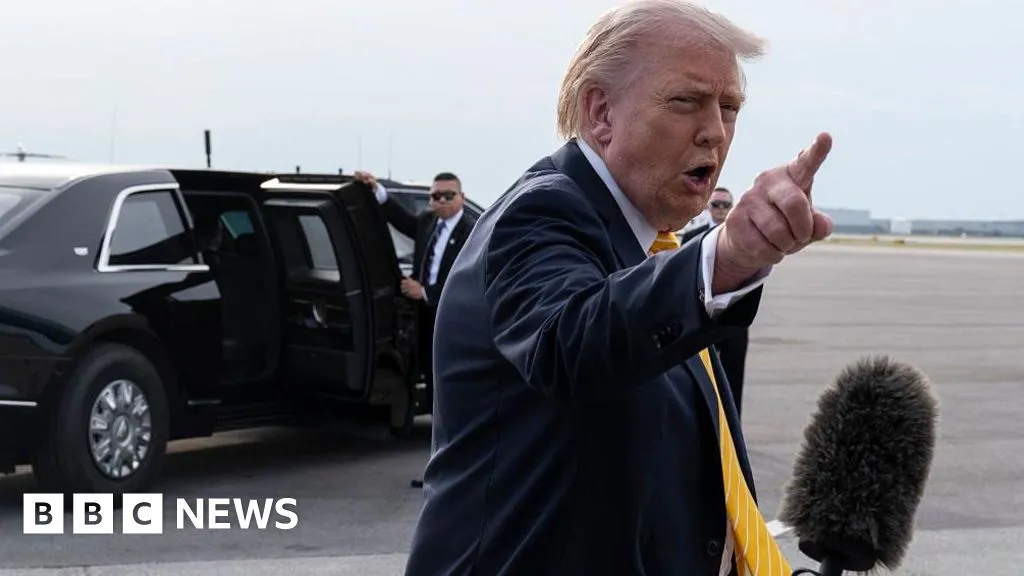
Pistorius emphasized in an interview with the DPA news agency that the continued presence of US soldiers in Europe, particularly in Germany, is vital not only for European stability but also in the interest of the United States. This sentiment comes during a period of heightened tension as US President Donald Trump critiqued German Chancellor Friedrich Merz for suggesting that the US had been humiliated in negotiations related to the Iranian conflict.
As it stands, the US maintains a troop presence of over 36,000 in Germany, marking its largest military deployment in Europe, overshadowing numbers in Italy and the UK. Following Trump’s earlier comments suggesting broader troop reductions across Europe, the situation has incited anxiety within the 32-member NATO alliance. Polish Prime Minister Donald Tusk voiced this apprehension on Saturday, stating, "The greatest threat to the transatlantic community are not its external enemies, but the ongoing disintegration of our alliance. We must all do what it takes to reverse this disastrous trend."
Among US lawmakers, increased dissent has surfaced. Senators Roger Wicker and Congressman Mike Rogers expressed their concerns regarding the implications for deterrence stability in Europe, asserting that maintaining a robust military presence is crucial for US interests in the region.
Pistorius also highlighted a critical shift in European defense responsibility, advocating for Germany to enhance its military spending and closer collaboration with continental allies. Under Chancellor Merz, Germany has made significant commitments to increase its defense budget to meet NATO's targets, projecting an expenditure of €105.8 billion by 2027, a marked increase from previous years.
Meanwhile, NATO spokesperson Allison Hart reiterated the need for European allies to bolster their military investment, reinforcing that the US troop withdrawal forms part of a larger narrative of shifting military focus towards the Indo-Pacific region. "We’re already seeing progress since allies agreed to invest 5% of GDP at the NATO summit in The Hague last year," she remarked.
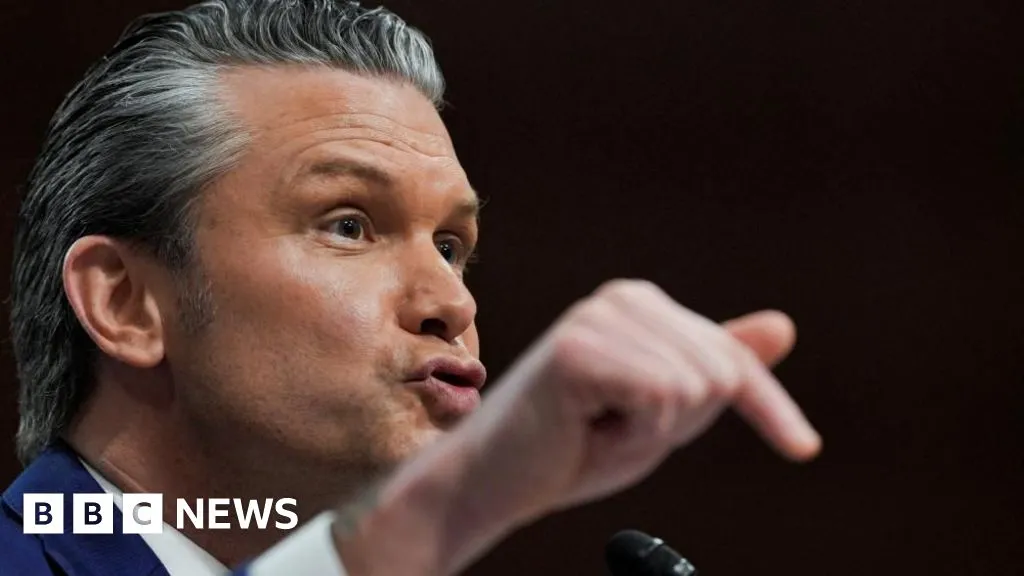
The diplomatic rift between the US and Germany was further aggravated by Merz's critical remarks addressing American strategic missteps in dealings with Iran, branded by Trump on social media as naive and misplaced. Conclusively, with the troop withdrawal order issued by Defense Secretary Pete Hegseth expected to complete within six to twelve months, the transatlantic alliance braces for potential upheaval in its security architecture. 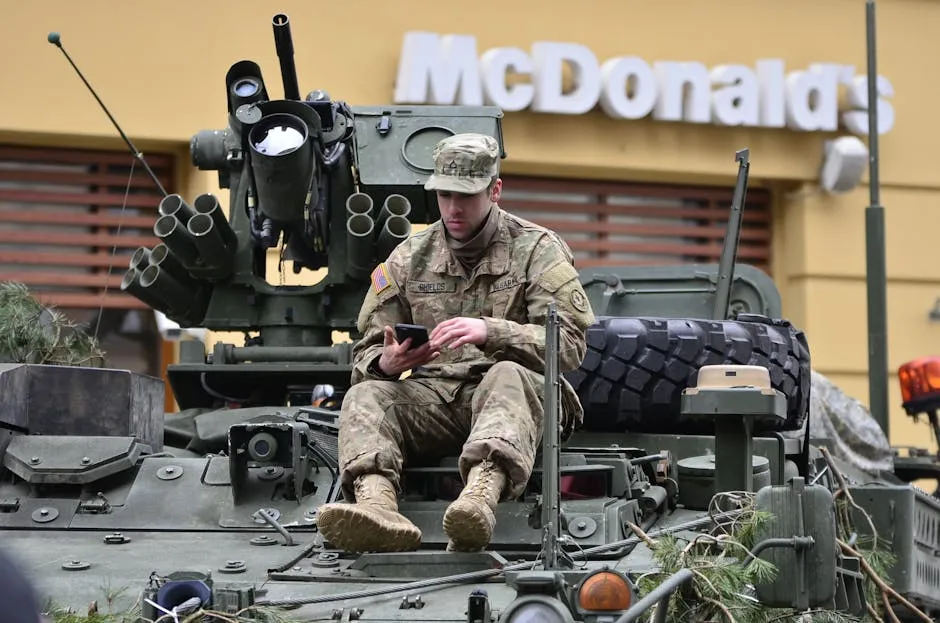
To read more about this developing story, visit BBC News.
Source: BBC World News