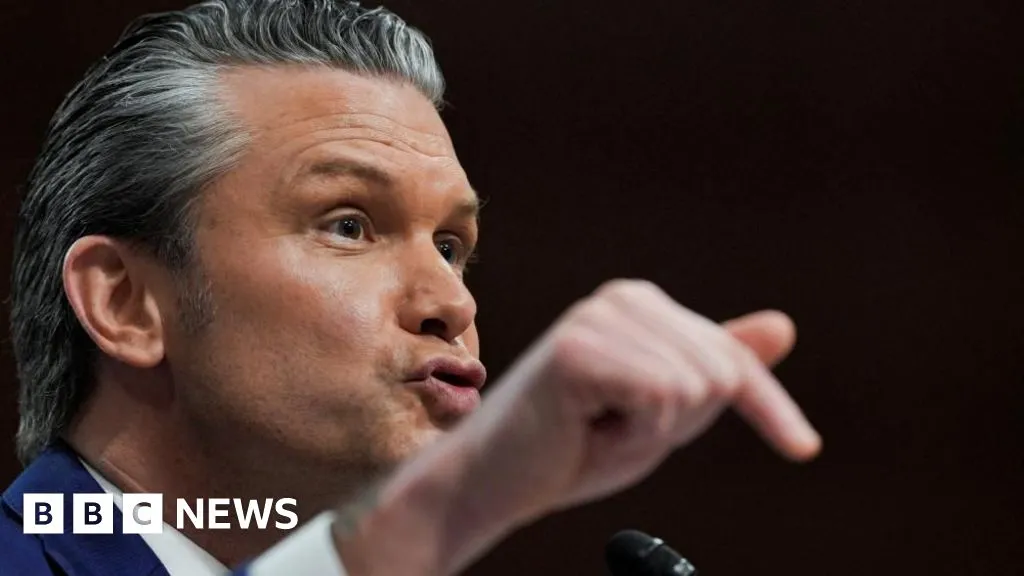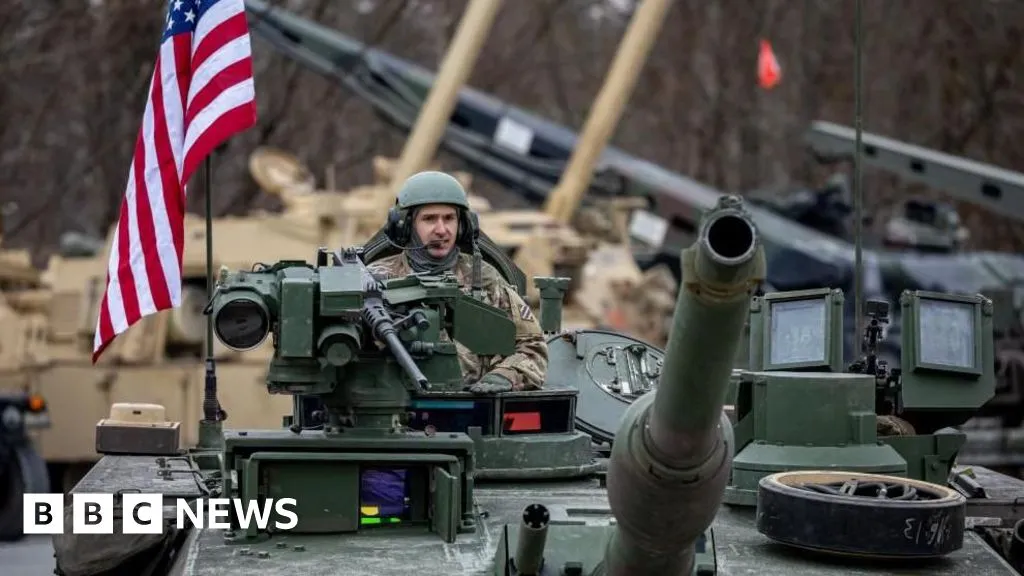
Amid escalating tensions in the Middle East, Iran is currently weighing a 14-point proposal from the United States aimed at ceasing hostilities and paving the way for renewed diplomatic negotiations. US President Donald Trump, in a recent virtual campaign event, expressed confidence that the conflict would conclude swiftly, asserting that the majority of Americans understand his objective to prevent Iran from achieving nuclear weapon capabilities.
Trump's assertions follow reports from US news outlet Axios, indicating that the White House may be on the brink of securing a framework agreement with Iran. The memorandum, described as a concise one-page document, outlines pivotal terms such as the suspension of Iranian nuclear enrichment, an easing of sanctions, and the restoration of unrestricted transit through the strategic Strait of Hormuz—vital for global oil trade. However, skepticism from Iranian officials persists, with a senior parliament member branding it a mere “wish list.”
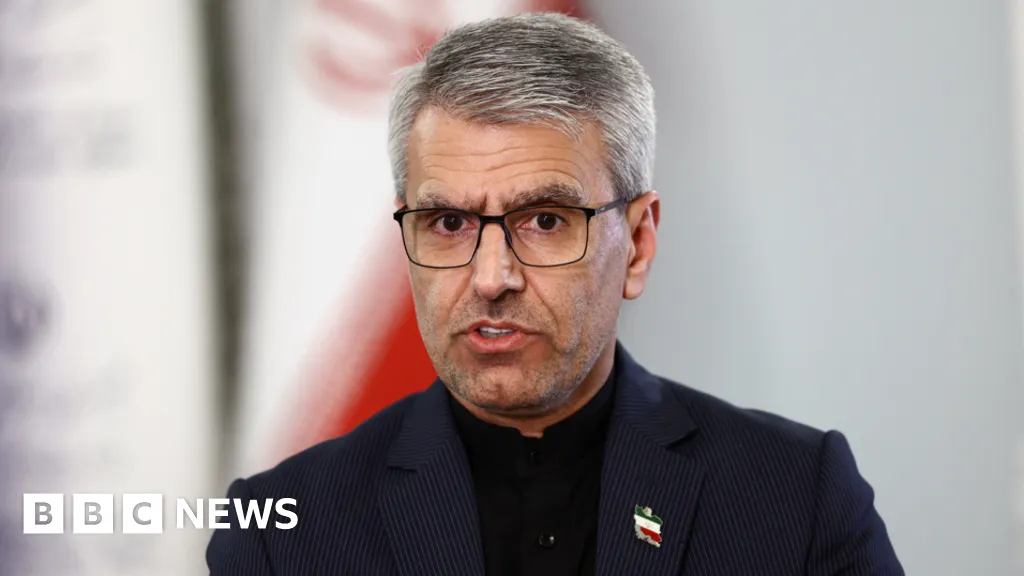
Iran's Foreign Ministry spokesperson, Ismail Baghaei, confirmed that Tehran is deliberating over the US offer and will subsequently communicate its stance to Pakistani mediators, who are working to establish a permanent ceasefire. Pakistan's foreign minister emphasized the nation’s commitment to facilitating a comprehensive end to the ongoing war.
Meanwhile, amid these delicate negotiations, Trump reiterated his belief that the conflict’s resolution could come quickly, citing “very good talks” with Iranian representatives in recent days. He remained firm that any short-term challenges, such as rising fuel prices for Americans, would ultimately be resolved following the successful completion of talks aimed at curbing Iran’s nuclear ambitions.
In a display of readiness, Iranian officials, including Ebrahim Rezaei, spokesperson for the Parliament's national security commission, suggested a willingness to act decisively if conditions do not meet Iran's expectations. Rezaei stated that the United States, in a position of loss in the ongoing conflict, won’t attain any advantage absent of substantial negotiations. He warned, “Iran has its finger on the trigger” and reiterated that Iran awaits necessary concessions from the US, signaling that failure to reach an agreement might provoke a robust Iranian response.
Trump’s platform echoed these tensions, as he declared on his social media platform that should diplomacy fail, military action would escalate to levels previously unseen. Moreover, he indicated a suspension of Operation Epic Fury—a US-Israeli offensive aiming to address Iranian threats—as conditional on Iran's cooperation in negotiations regarding its nuclear program, a cornerstone of the ongoing dialogue.
As the international community observes these developments closely, the dynamics of negotiation remain uncertain. The potential for a peace deal hangs in the balance, contingent on reciprocal concessions and sustained dialogue between the US and Iran. The outcome could drastically reshape the geopolitical landscape of the Middle East.
Source: BBC News
Source: BBC World News