The World Health Organization (WHO) has formally classified the Ebola outbreak in the Democratic Republic of Congo (DRC) as a global health emergency, amid alarming developments in the country’s eastern Ituri province. With 246 suspected cases and 80 confirmed fatalities, health authorities are now facing potential threats of broader transmission.
Underlining the outbreak's seriousness, the WHO warned that while the situation does not fulfill the criteria for a pandemic emergency, it could escalate into a more extensive epidemic. The current strain of Ebola, known as the Bundibugyo virus, poses a unique challenge as there are no approved vaccines or treatments available.
As the situation unfolds, the health agency has confirmed eight laboratory cases of the virus, with other suspected infections and deaths reported across health zones, including Bunia, the provincial capital, and the gold-mining areas of Mongwalu and Rwampara. Alarmingly, a case has also surfaced in Kinshasa, linked to an individual who returned from Ituri.
The outbreak's implications could extend further still, with cases emerging in Goma, a bustling city currently under the control of M23 rebels. The ongoing security crises and humanitarian issues in DRC complicate the containment efforts, as does the high mobility of the population. The WHO's analysis indicates that neighboring countries are at significant risk, given the existing patterns of trade and travel.
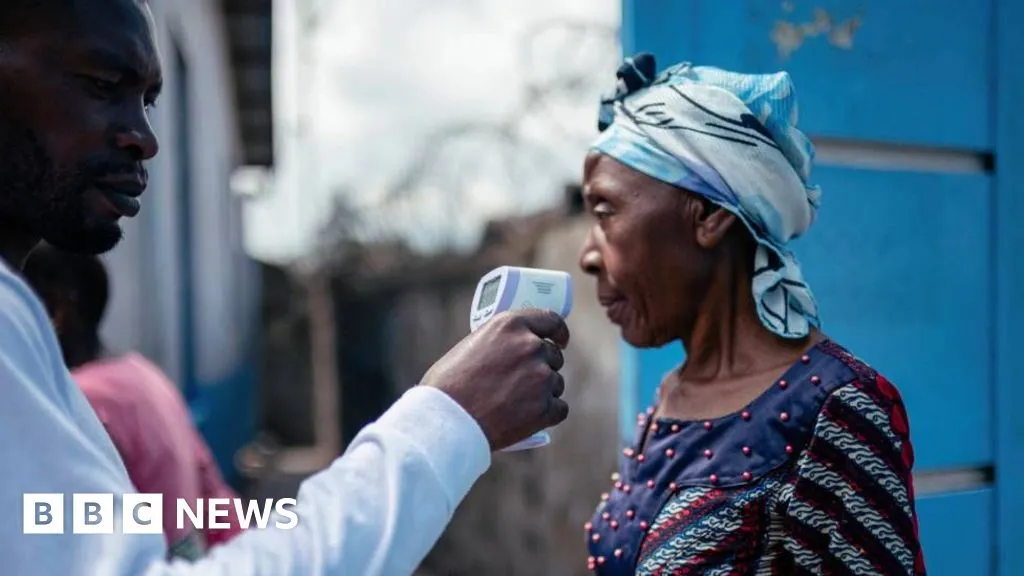
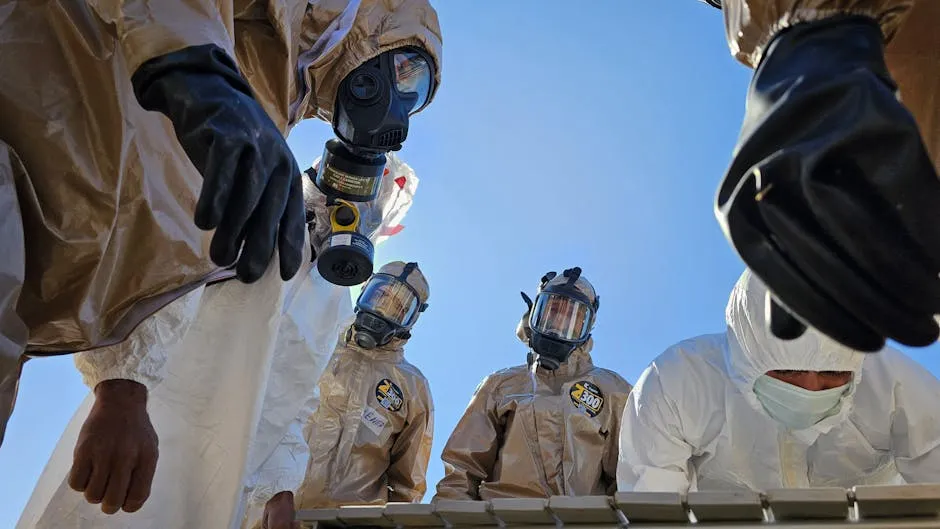
In response to the escalating situation, the WHO is urging DRC and Uganda to establish emergency operation centers dedicated to robust monitoring, contact tracing, and enforcing infection prevention measures. Effective isolation and treatment protocols for confirmed cases are critical, with WHO emphasizing that quick intervention is vital to curbing spread.
The director-general of WHO, Dr. Tedros Adhanom Ghebreyesus, highlighted the uncertainty surrounding the true number of infections, indicating a pressing need for increased surveillance and reporting from the affected areas.
Historically, Ebola outbreaks are severe, with the Bundibugyo strain reportedly having a fatality rate between 30% and 50%. This marks the 17th such outbreak in the DRC. As the world grapples with the realities of this latest public health threat, efforts to prevent a wider crisis are of paramount importance.
The WHO recommends that regional governments enhance surveillance and health reporting. They have also advised against unnecessary travel restrictions, asserting that such measures often lack scientific justification and could exacerbate the crisis.
As experts continue to monitor this evolving situation, the focus remains on timely interventions to avert a health disaster that could impact millions.
Source: BBC News
Source: BBC World News