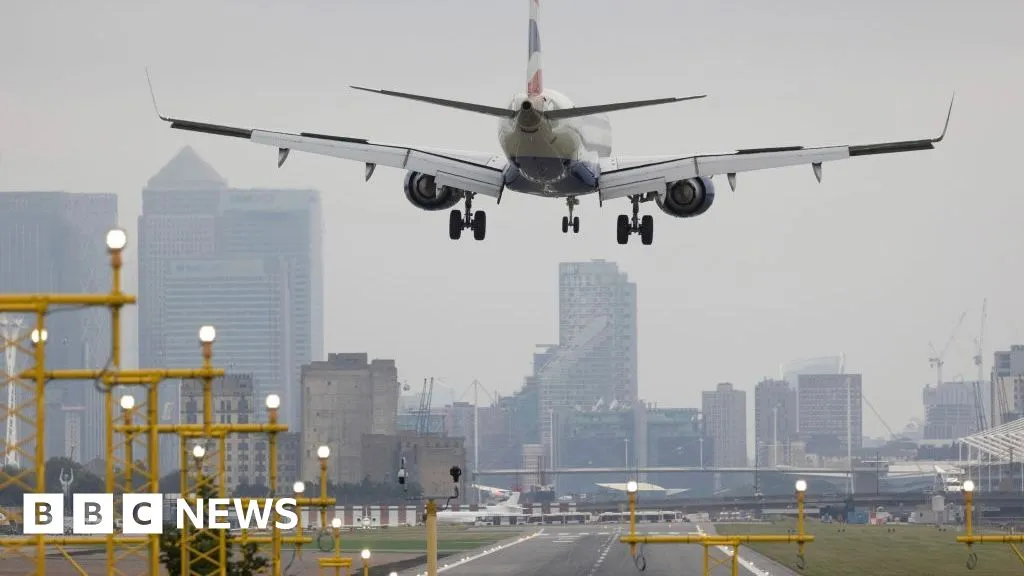
As conflict rages in the Middle East, a coalition of European airlines and international aviation bodies has floated the use of US-grade jet fuel as a potential safety net against looming supply shortages. With European airlines facing a steep surge in jet fuel prices—reportedly up by 50% since the onset of the US-Israel war with Iran—this proposal could not come soon enough.
The International Air Transport Association (IATA) advocates for greater acceptance of US-grade Jet A fuel, a move they believe could combat insufficiencies exacerbated by the regional unrest. Meanwhile, the European Aviation Safety Agency (EASA) has prepared safety guidelines aimed at facilitating the introduction of US supplies into the European market—underscoring the pressing need for a strategic fuel solution.
US jet fuel, primarily in the form of Jet A, differs slightly from the global standard Jet A-1; notably, it has a higher freezing point. This distinction has raised safety concerns, especially as Europe typically relies on Jet A-1 supplied from the Gulf region, where current exports have dwindled. With gradual increases in shipments from the US, the aviation sector is now contemplating a broader adoption of Jet A to help fill the gap.
“Should the hostilities in the Middle East persist, it is likely we will encounter fuel shortages in various regions,” cautioned Stuart Fox, IATA’s director of flight and technical operations, in a recent blog post. “The integration of Jet A, produced in abundance outside the Gulf, may serve as a pragmatic solution to alleviate pressure on fuel supply chains.”
The EASA, in its
Source: BBC Business