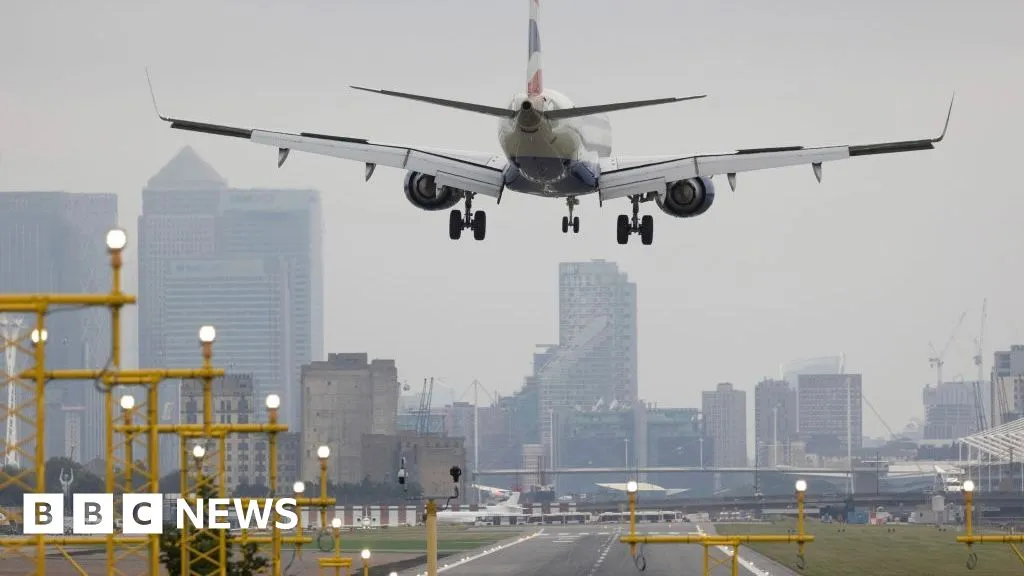
In a proactive measure to mitigate potential flight disruptions this summer, UK ministers have unveiled new regulations allowing airlines to cancel flights in advance due to fuel shortages. This strategic move aims to avoid the chaos of last-minute cancellations as the geopolitical tensions in the Middle East threaten fuel supply.
The government’s contingency plans come in response to escalating concerns over jet fuel availability, particularly given that the UK imports approximately 65% of its jet fuel, much of which typically arrives from the Middle East. The ongoing Iran conflict has intensified fears of supply disruptions, prompting officials to act swiftly.
Under the newly minted guidelines, airlines now have the opportunity to adjust their schedules—potentially cutting one or two flights on busy routes—without jeopardizing their valuable take-off and landing slots at major airports such as Heathrow and Gatwick. These slots, which can be worth millions, are typically fiercely protected due to strict regulations.
New Regulatory Framework
Current policies, guided by the Airports Slot Allocation Regulations 2025, stipulate that airlines must utilize their slots at least 80% of the time to avoid losing them to competing carriers. This requirement has historically pressured airlines to operate flights even when passenger levels are low, contributing to inefficiencies.
Transport Secretary Heidi Alexander emphasized the importance of preparedness in her statement: "We’re preparing to give families long-term certainty and avoid unnecessary disruption at the departure gate this summer. This legislation will give airlines the tools to adjust flights in good time if they need to, which helps protect passengers and businesses."
The new proposals also include a framework that allows airlines to temporarily relinquish unused slots while retaining the right to use them in subsequent seasons, effectively paving the way for better operational strategies as airlines navigate the uncertain fuel landscape.
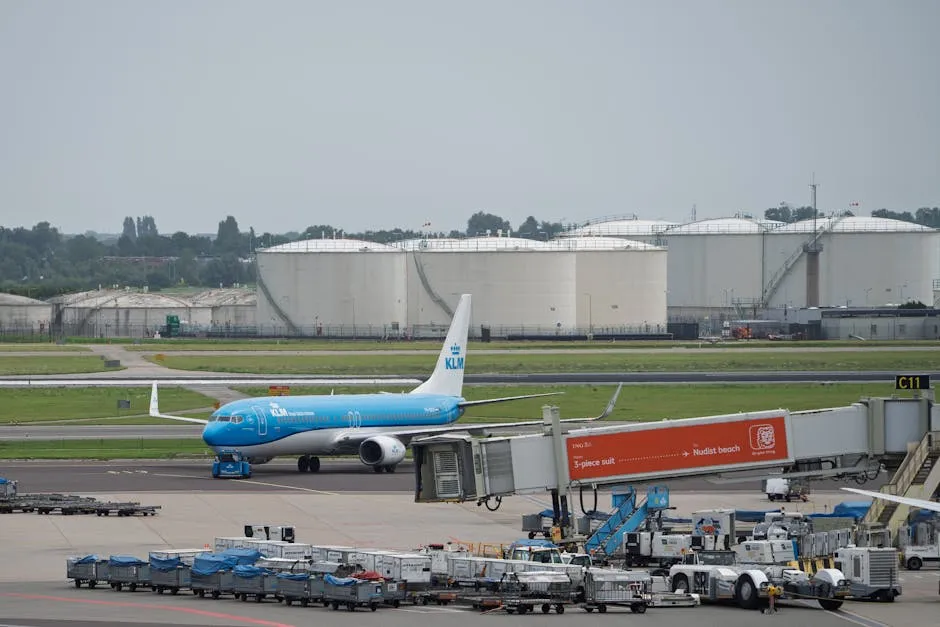
Industry Responses and Future Considerations
The airline industry has responded positively to this flexible regulatory approach. Tim Alderslade, CEO of Airlines UK, expressed optimism, stating that the adjustments would help carriers operate more efficiently while ensuring vital connectivity for both passengers and commerce.
As part of the effort to bolster the jet fuel supply, the UK government is also exploring the introduction of alternative fuel specifications, potentially allowing the use of Jet A fuel—commonly used in the United States—rather than the current Jet A1 standard utilized in Europe. This shift could enhance the resilience of supply chains but may also face logistical challenges.
While airlines currently report no immediate fuel supply issues, experts caution that the evolving situation requires vigilant monitoring to prevent a critical shortage that could significantly disrupt air travel across Europe by June.
Passengers should remain aware of their rights in the event of flight cancellations or delays, which include options for rerouting, refunds, and necessary accommodations as stipulated by existing regulations.
As this situation unfolds, the aviation sector braces for what some foresee as another summer of uncertainty amidst fluctuating fuel supplies.
Source: BBC Business