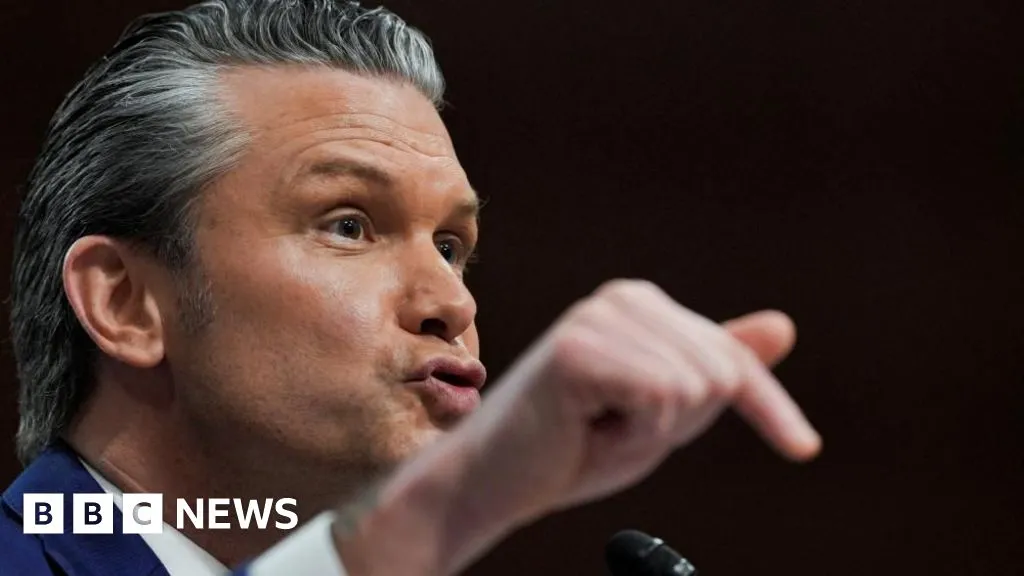
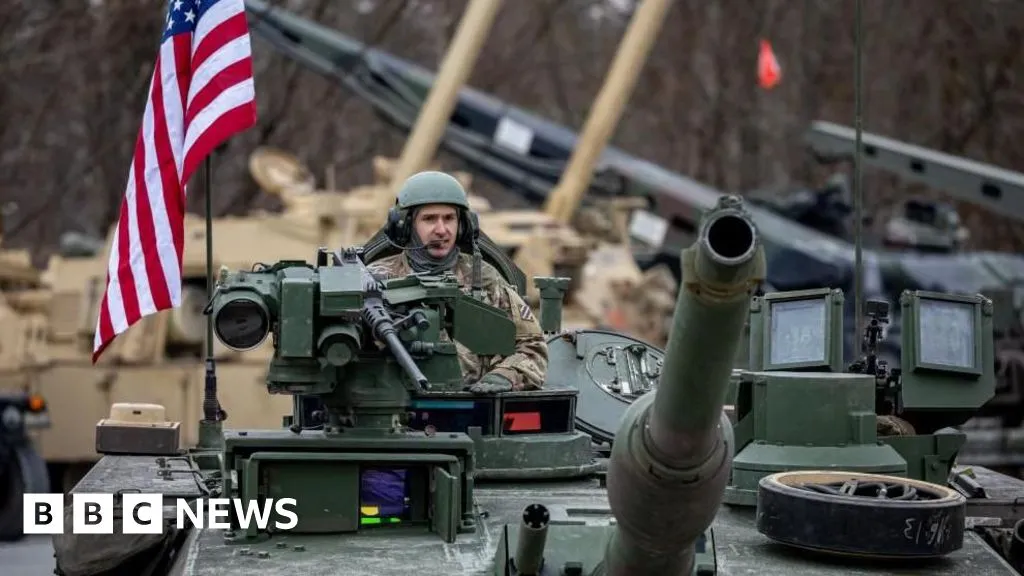
As tensions simmer in the Middle East, U.S. officials confirm that negotiations between the United States and Iran have reached a pivotal moment, with a potential ceasefire extension deal tantalizingly close yet still unresolved. Vice President JD Vance, speaking to reporters, indicated that while progress has been made, final agreements hinge on the approval of both President Donald Trump and Iranian leadership.
Negotiations in Flux
The proposed deal aims to extend the existing ceasefire by 60 days and initiate crucial discussions regarding Iran's contentious nuclear program. However, uncertainties persist as Iran's semi-official Tasnim news agency reported that no formal agreement has been finalized, reflecting the fluid nature of the talks.
In a media briefing, Vance noted, "We're not there yet, but we're very close, and we're going to keep on working at it." He elaborated that ongoing discussions have seen negotiators deliberating over specific language points, particularly those concerning uranium enrichment—a core issue that has long defined U.S.-Iran relations.
A Fragile Hope for Peace
The U.S. administration has urged Iran to cease its production of highly enriched uranium, a critical step viewed as necessary to prevent the development of nuclear weapons. Amid growing scrutiny from Gulf allies, Democrats, and dissenting members of Congress, President Trump has routinely suggested that a resolution may be within reach.
However, Thursday's diverging narratives from both sides underscore the challenges inherent in diplomacy. While U.S. officials maintain that a framework has been established pending approval, Iranian sources cast doubt on the existence of a solid deal. With potential military actions still on the table, Trump has reiterated that a fallback option exists should peace efforts falter.

Details Still Unknown
Compounding the complexity of these negotiations, Axios reported that the tentative agreement could facilitate "unrestricted" passage through the vital Strait of Hormuz while addressing Iran's naval presence. The deal would reportedly grant Iran 30 days to eliminate mines from key shipping routes, with the U.S. also poised to lift existing blockades and offer sanction waivers to reactivate Iranian oil sales.
In the midst of these high-stakes discussions, the White House has refuted claims regarding an unofficial draft of a memorandum outlining a more comprehensive peace agreement, dismissing it as a fabrication. With global oil and liquefied natural gas trade heavily reliant on the Strait of Hormuz—through which approximately one-fifth of the world’s supply travels—the outcome of these negotiations carries significant implications for the international market.
Continued Hostilities
Amid flurries of diplomacy, both factions have recently accused each other of breaching the fragile ceasefire—heightening anxieties of resumption of hostilities. Just hours before Vance's remarks, Iran's Islamic Revolutionary Guard Corps (IRGC) claimed responsibility for targeting a U.S. base in the region, signaling that while talks may be ongoing, the specter of conflict looms large.
As the window for resolution narrows, all eyes remain on Washington and Tehran, where the stakes have never been higher.
Source: BBC World News