In a significant development, the United States and Iran have struck a framework agreement aimed at bringing an end to hostilities that have persisted for over two months. This agreement comes as the ongoing conflict has severely disrupted global oil markets, prompting a surge in prices and prompting fears of lasting economic ramifications.
Strait of Hormuz: A Bottleneck for Global Trade
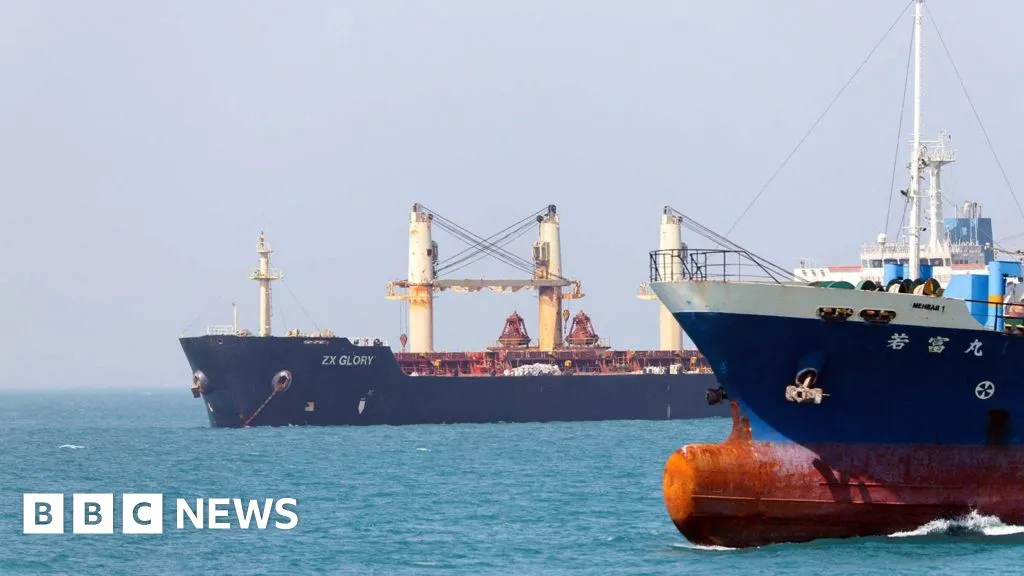
The Strait of Hormuz, a crucial maritime passage for approximately one-fifth of the world’s oil and liquefied natural gas (LNG) supplies, has experienced a dramatic slowdown in shipping traffic. With commercial shipping effectively halted since February 28th, concerns about mine threats and potential drone strikes have kept vessels at bay, leaving around 200 ships stranded in the Gulf.
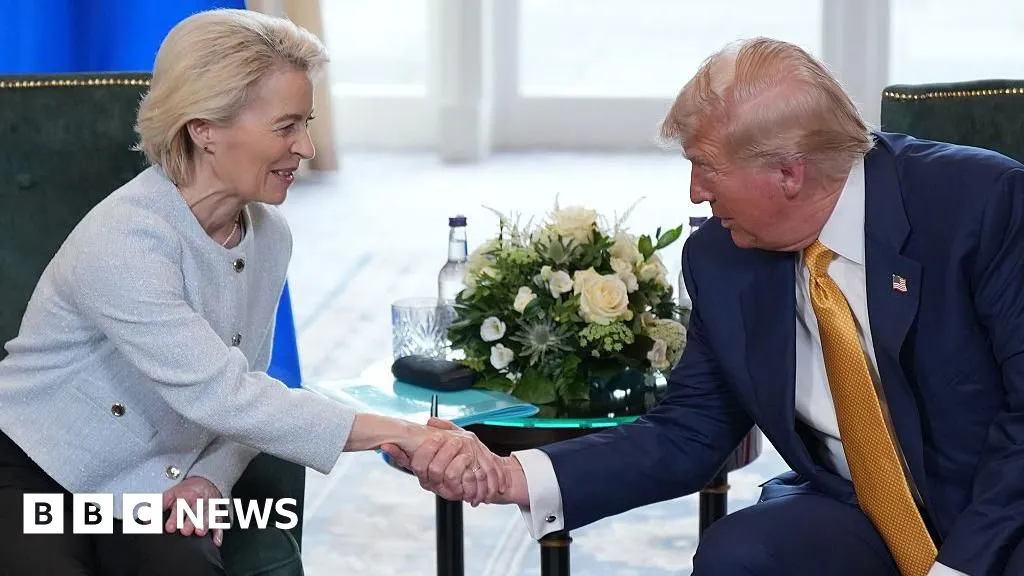
US President Donald Trump celebrated the agreement in a recent social media post, stating, "Let the oil flow!" However, ship-tracking data from MarineTraffic indicates that actual traffic levels remain alarmingly low, even following the announcement of the deal, raising doubts about the immediate reopening of this vital waterway and the resumption of normal oil supplies.  Amir Ghoorchiani on Pexels' alt='Traffic in the Strait of Hormuz' />
Economic Experts Weigh In
Economists are skeptical about a swift return to pre-war oil flow levels. Neil Shearing, chief economist at Capital Economics, noted, "It remains to be seen whether this agreement marks a fragile truce or a more sustainable solution." Even with active efforts to resume shipping, logistical challenges abound, including the repositioning of tankers, reestablishing oil production, and resolving complex insurance issues for vessels transiting the Strait.
Lars Jensen, CEO of Vespucci Maritime, emphasized the cautious approach shipping firms are likely to adopt, stating, "Companies with vessels still in the Persian Gulf will prioritize extricating them but will be hesitant to return in the near future due to the unpredictable nature of the situation." This sentiment reflects an industry that is still grappling with the geopolitical volatility that has marked the region.
Impact on Oil Prices: The Long Game
The ongoing conflict has already had a significant impact on global oil prices, with Brent crude—a primary oil benchmark—recently recorded at $83.55 per barrel, a stark increase from pre-war prices around $70. Although prices dipped slightly in May, they remain high relative to earlier benchmarks, suggesting that market stabilization will be slow and fraught with challenges.
Economist Mohamed El-Erian highlighted that lingering questions surround how quickly oil prices can normalize, considering ongoing production and supply chain issues. Countries worldwide are likely to seek improved energy security and reduce reliance on supplies from the Gulf to mitigate future energy shocks.
Global Economic Ramifications
The repercussions of this conflict extend far beyond oil prices. Economies worldwide are beginning to feel the strain. Before the war, the Bank of England anticipated interest rate cuts as inflationary pressures eased and growth prospects improved. Now, the outlook is markedly different, with expectations shifting towards a prolonged period of stability as the economic landscape remains precarious.
As nations scramble to adapt to the evolving situation, the impact on global trade and energy security will likely be felt for months—if not years—to come. The journey towards a return to normalcy is fraught with uncertainty, indicating that while a deal has been struck, the road ahead remains complex.
Source: BBC News
Source: BBC Business