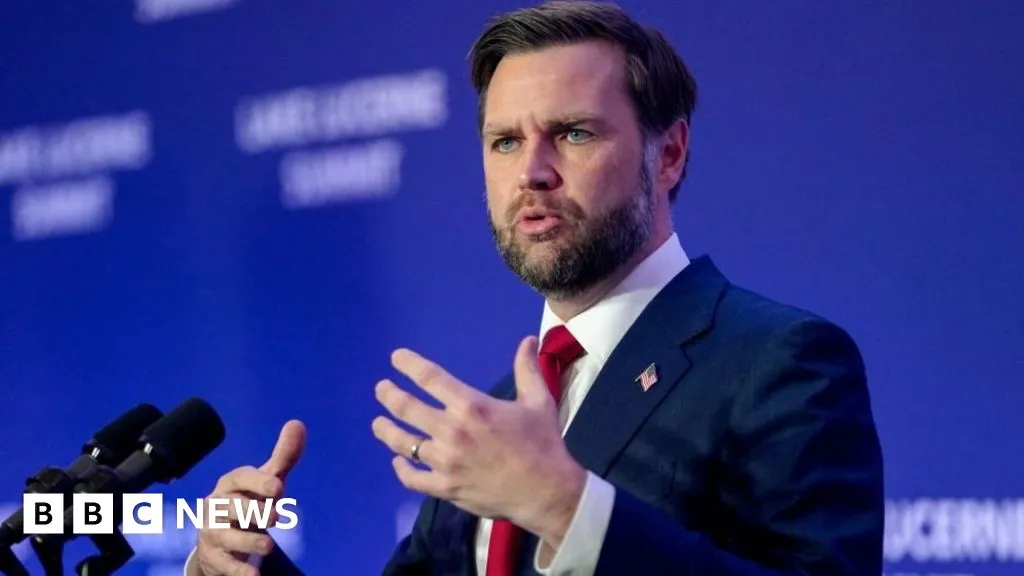
In a significant turn of events, the United States has announced a temporary easing of sanctions on Iranian oil, coinciding with escalating tensions over nuclear inspections in the region. Iran's Foreign Ministry has firmly rejected claims made by Vice President JD Vance that the nation is prepared to permit nuclear inspectors back into its territory, following initial diplomatic discussions in Switzerland.
Disputed Claims and Diplomatic Maneuvers
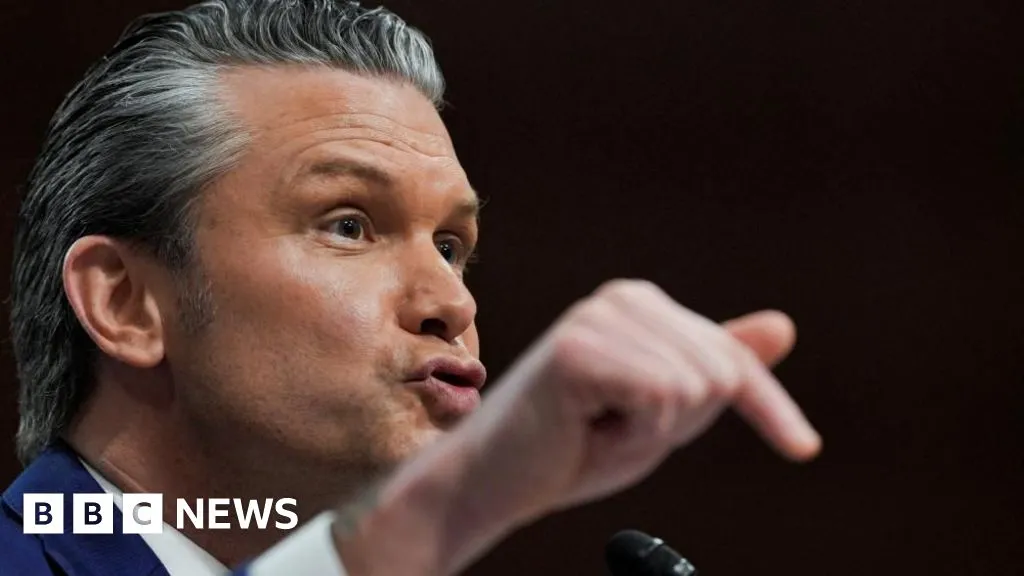
Following a round of negotiations at the upscale Swiss resort of Bürgenstock, Vance expressed optimism about potential future engagements with the International Atomic Energy Agency (IAEA), suggesting that discussions could commence as early as today. However, Iranian officials responded swiftly, stating that no new agreements regarding nuclear inspections had been reached, as their foreign ministry maintains a cautious stance.
Sanctions Relief: A Historic Shift
The US Treasury's decision to relax oil sanctions marks a historic shift, allowing Iran to conduct oil sales in US dollars for the first time in decades. This 60-day waiver dismantles critical aspects of the longstanding embargo that has severely constrained Tehran's economy.
The sanctions relief permits not only the production and sale of Iranian crude and petrochemicals but also simplifies banking transactions and insurance logistics that have previously shackled Iranian oil exports. Treasury Secretary Scott Bessent indicated that Tehran's partial compliance—specifically its commitment to maintain the open status of the vital Strait of Hormuz—was a factor in granting this reprieve.

During Monday’s diplomatic discussions, Vice President Vance mentioned the reopening of the Strait of Hormuz and mechanisms for maintaining regional ceasefires. Yet, as Vance communicated possible timelines for the return of IAEA inspectors, Iranian spokesperson Esmail Baqai stressed that any potential inspections would be conducted under established protocols, reflecting Iran's ongoing skepticism towards international oversight.
The Unfolding Narrative
The backdrop of these negotiations reflects a complex and evolving relationship between the US and Iran. In 2015, the two nations were part of a landmark agreement permitting inspections of Iran's nuclear sites, which former President Donald Trump withdrew from in 2018, denouncing it as inadequate.
Amid these proceedings, President Trump issued cautions on social media, asserting that if Iran does not uphold its agreements, the US would respond decisively. “If Iran doesn’t live up to their agreement, or if they’re not behaving, I will do what I have to do,” Trump reiterated, a statement that further complicates the diplomatic landscape.
Looking Ahead
As Iranian negotiators departed from the table, reports surfaced of ongoing technical discussions, supported by mediators from Qatar and Pakistan. Their joint efforts focus not only on potential agreements regarding militaristic deconfliction in the region but also on ensuring safe maritime operations through the Strait of Hormuz, a crucial chokepoint for global oil supplies.
As both nations navigate the treacherous waters of diplomacy, the coming weeks will be telling in determining whether agreements can materialize or if tensions will escalate once again.
Source: BBC News
Source: BBC World News