UK inflation remained unexpectedly stable at 2.8% for the year ending in May, as a notable slowdown in food price increases offset the impact of rising transport costs amid ongoing global economic pressures.
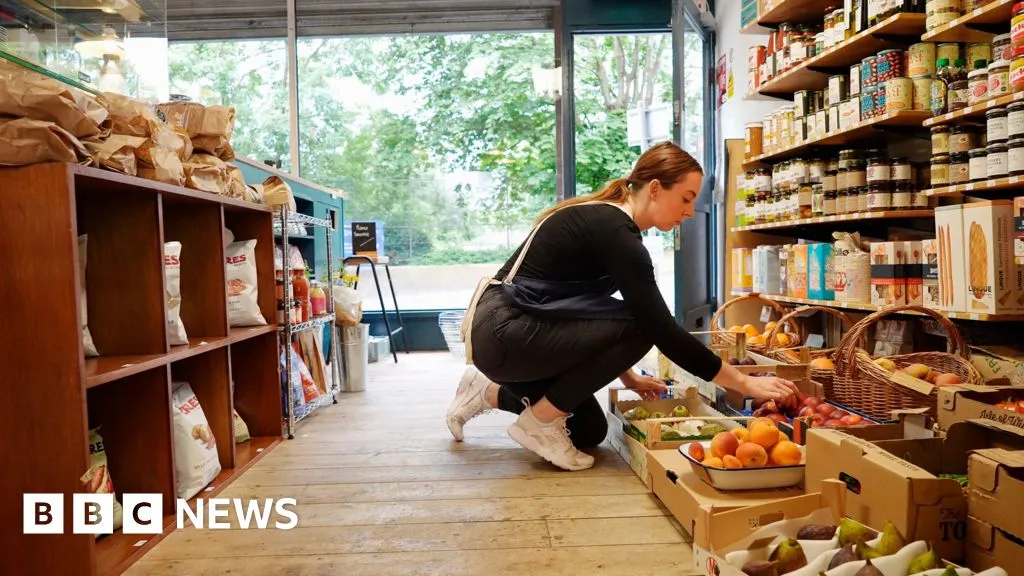
The Office for National Statistics (ONS) reported that while transport expenses surged—motor fuels alone soared by 24.6% compared to the previous year—the easing inflation rates for meat, dairy, and vegetables marked a significant shift in consumer spending dynamics. Overall transport inflation rose to 6.8%, the highest rate since December 2022, yet it was effectively mitigated by a decline in food-related price rises, which fell to a 17-month low of 2.2%.
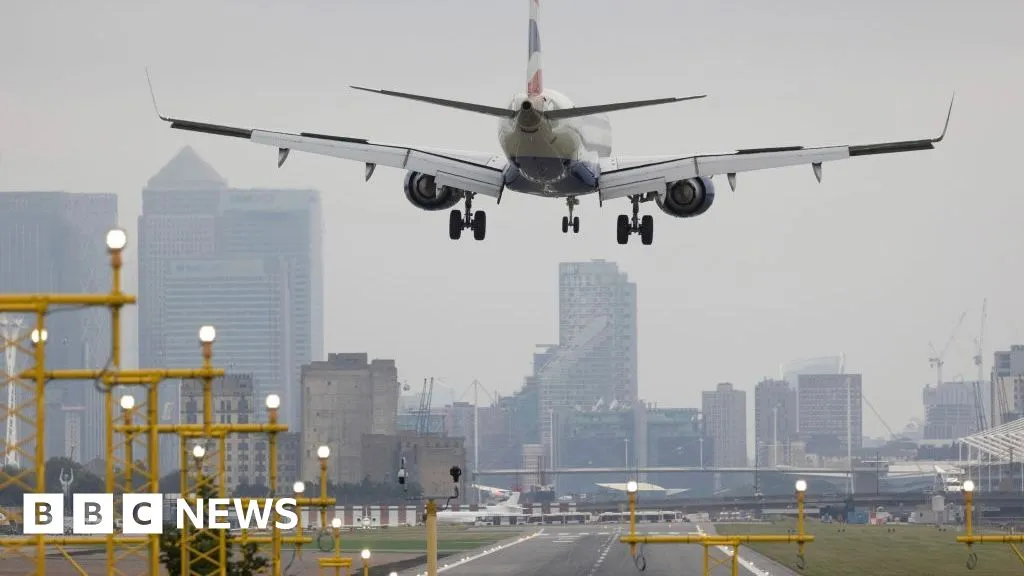
Grant Fitzner, ONS's chief economist, noted that various factors contributed to this balanced inflation landscape. Despite the steep increase in airfares and petrol prices, the decrease in food inflation—from 3% in April to its current rate—reflects a competitive supermarket environment.
Meat prices have been a particular focus; despite beef and veal seeing a year-on-year rise of 9.4%, this is a decrease from 13.2% in April and 18.8% in March, suggesting a possible softening in the price trajectory.
The British Retail Consortium (BRC) welcomed the easing of food inflation but cautioned that fluctuations in the market could lead to future price increases. Karen Betts, CEO of the Food and Drink Federation, echoed this sentiment, stressing that residual costs from disruptions in supply chains—particularly due to geopolitical tensions in the Middle East—are yet to fully manifest in retail prices.
As domestic heating oil prices also saw a decline following sharp increases triggered by the region’s conflict, economists are keeping a close watch on the impending Ofgem energy price cap changes expected in July. Charlotte O’Leary from the National Institute of Economic and Social Research warned of a potentially significant upward shift in inflation as these adjustments take effect.
The UK government, led by Chancellor Rachel Reeves, emphasized efforts to buffer families and businesses from rising costs, highlighting measures such as energy bill reductions and freezes on fuel duties. However, critics, including Shadow Chancellor Mel Stride, continue to argue that prices remain disproportionately high, attributing the situation to governmental missteps leading into the current crisis.
Upcoming monetary policy decisions by the Bank of England are crucial, as many economists anticipate the central bank will maintain the core interest rate at 3.75%. With pressures from global conflicts likely to continue influencing household expenses, the Bank's target inflation rate of 2% seems increasingly challenging as analysts predict levels might peak between 3.5% and 4% in the latter half of 2026.
In summary, while the recent data suggests a temporary respite from inflationary pressures, the longer-term outlook remains precarious as the ripple effects of international tensions continue to permeate the UK's economic landscape.
Source: BBC News
Source: BBC Business