The UK financial landscape is bracing for turbulence as the effective interest rate on 10-year borrowing has surged to 5.13%, a level reminiscent of the 2008 financial crisis. This spike comes amid intensifying uncertainty surrounding the leadership of Prime Minister Sir Keir Starmer, as investor confidence wavers.
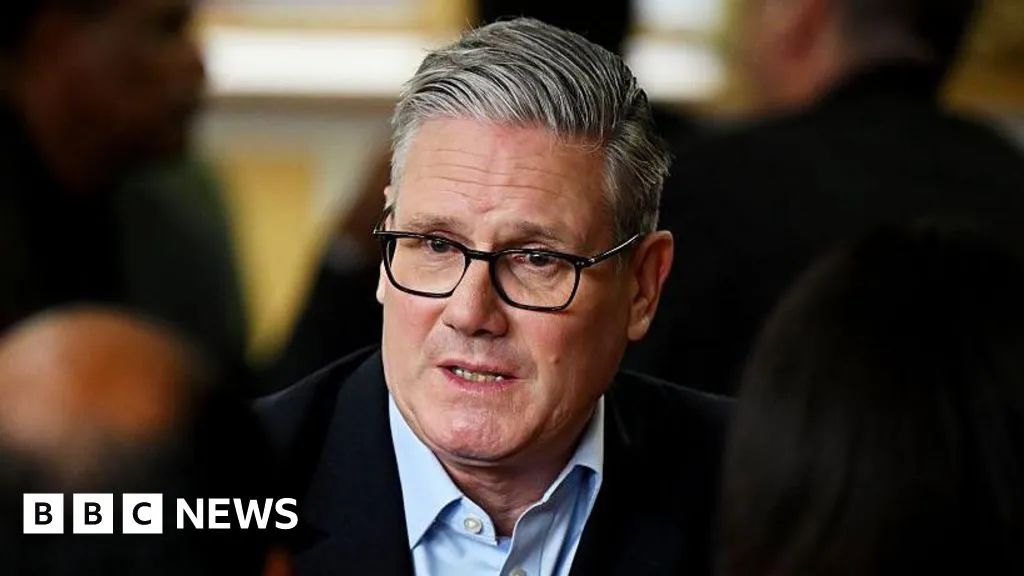
The markets are particularly jittery due to escalating inflation concerns stemming from the ongoing conflict in Iran, coupled with the prospect of a new leadership within the Labour Party. Recent local election disappointments have led approximately 80 Labour MPs to publicly demand Starmer's resignation, yet the PM remains resolute, urging his cabinet to continue governing effectively.
Addressing his senior team, Starmer emphasized, "The Labour Party has a process for challenging a leader and that has not been triggered." His allies emerging from the cabinet meeting expressed support, underscoring his commitment to stability in these uncertain times. However, the potential for a change in leadership has stirred fears that any successor might adopt a more lenient approach to fiscal policy, raising government borrowing and fueling inflation fears.
"The UK’s already fragile fiscal position means that investors will be on edge for any signs of fiscal loosening," stated analysts from Capital Economics. They highlighted that frontrunners like Andy Burnham, Angela Rayner, and Wes Streeting are likely to increase public spending, which could worsen the already escalated borrowing costs. The yield on 30-year bonds, a clear indicator of long-term investor confidence, hit 5.80%, the highest since 1998, contributing to a broader decline in the FTSE 100 index by 0.5% as shares of British banks wavered.

In addition to domestic political uncertainties, elevated oil prices are exacerbating inflation risks, prompting a cautious response from investors. Anna Macdonald, investment strategy director at Hargreaves Lansdown, remarked, "Elevated oil prices add inflationary pressure to a bond market already frazzled by concerns that a different UK prime minister might take a divergent view on borrowing. This scenario forces investors, including the 25%-30% of overseas buyers of UK government bonds, to demand a higher risk premium for their investments."
The implications of rising borrowing costs extend beyond financial markets; they directly affect government expenditures as the interest on existing public debt continues to rise, now constituting about £1 in every £10 spent by the government. With the political landscape in flux, all eyes remain on Westminster as the future direction of UK fiscal policy hangs in the balance.
For more detailed insights, visit BBC News.
Source: BBC Business