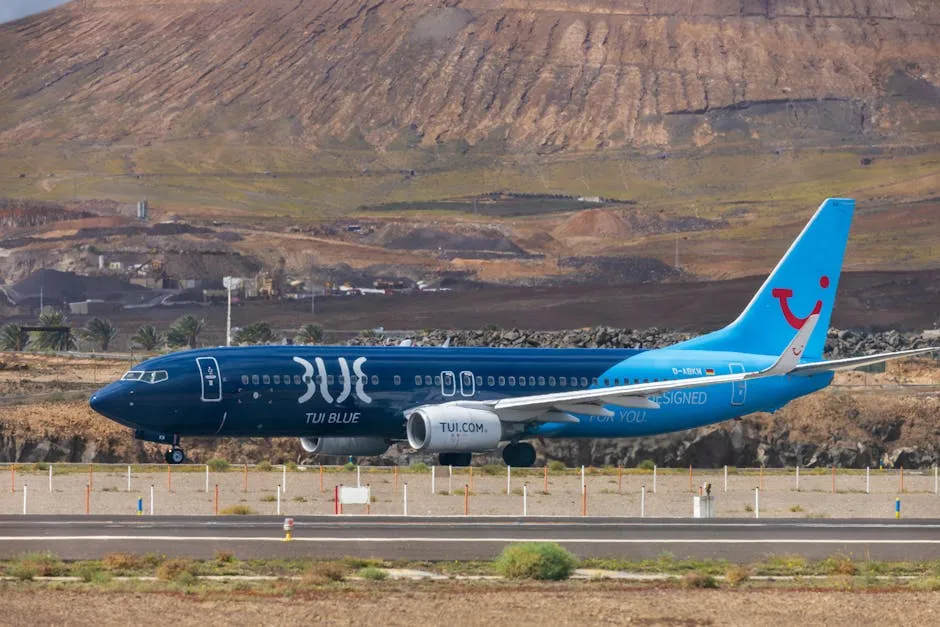
Europe's largest travel operator, Tui, has reported a significant 10% decline in summer holiday bookings from UK customers, amidst escalating concerns tied to the ongoing conflict in Iran. This downturn reflects a cautious consumer sentiment as uncertainties regarding global stability weigh heavily on travelers’ decision-making.
Tui noted a noticeable shift in consumer preference, with demand moving from Eastern to Western Mediterranean destinations. Moreover, travelers appear to be opting for last-minute bookings, reflecting their hesitancy to commit early amid geopolitical tensions.
In response to this trend, Tui is reducing the number of aircraft seats it purchases from its airline partners by 4-5% for the summer. Despite these adjustments, CEO Sebastien Ebel assured stakeholders that he does not foresee immediate jet fuel shortages. The ongoing closure of the Strait of Hormuz, a crucial passage for oil and liquefied natural gas, has, however, placed upward pressure on fuel prices while some airlines are responding with increased ticket fares or reduced seating capacity to attract cautious customers.
According to EU energy commissioner Dan Jorgensen, the bloc does not anticipate a critical jet fuel supply crisis in the near term despite the ongoing turmoil stemming from the conflict involving Iran and Israel. Tui's latest financial results reveal that the company incurred a loss of €40 million (£34.7 million) in the first quarter of the year, primarily attributable to expenses related to repatriation, welfare initiatives, and lost income amidst the Middle East conflict. The operator's underlying loss before interest and taxes for the quarter stood at €188 million, marking a slight improvement from the €207 million loss recorded the previous year.
In a broader analysis, Tui encountered a 7% decline in revenue from summer bookings compared to the previous year. Investment director Russ Mould from AJ Bell remarked on the jitteriness circulating among consumers, indicating a pressing need for clarity on alternative fuel sources prior to adventurous travelers feeling secure enough to reserve their summer getaways.
Aarin Chiekrie, an equity analyst with Hargreaves Lansdown, echoed these sentiments, noting that while consumer enthusiasm for holidays has tempered, vacation plans are not being abandoned altogether. Recent data suggests that travelers are merely delaying their bookings, preventing a complete collapse in demand.
Barclays' recent research underscores a 7.5% reduction in spending at travel agencies in April, reflecting a 5.7% decline in overall holiday expenditures year-over-year. Dame Irene Hays, owner of the UK-based travel agency Hays Travel, acknowledged the strain facing the travel industry but pointed out that the cruise segment remains robust and tour package holidays are enjoying significant popularity.
Outside the turmoil of the Middle East and the United States, there remains a healthy appetite for bookings in destinations like Canada, Japan, Australia, South Africa, and Thailand. Dame Irene stressed the urgency of alleviating uncertainty in the travel market, emphasizing the importance of clarity and reassurance for prospective travelers.
“In the past, people typically booked holidays seven months in advance; now, that timeframe has narrowed to just 16 weeks,” she elaborated. While late deals remain available, she cautioned travelers that they should act sooner if they desire a broader selection of choices.
As the summer approaches, the travel industry watches closely for any signs of stability that could encourage a resurgence in holiday bookings among UK customers.
Source: BBC News
Source: BBC Business