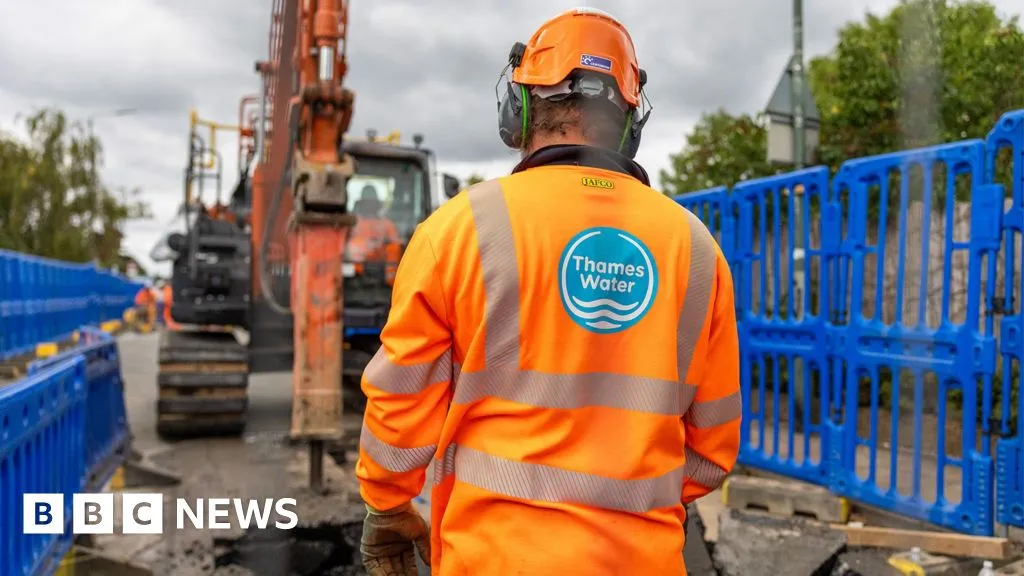
Thames Water is teetering on the brink of nationalisation after the UK government rejected a proposed £10 billion rescue deal, citing insufficient protections for consumers and the environment. The Environment Secretary, Emma Reynolds, expressed serious misgivings regarding the financial package put forth by the firm's lenders, intensifying scrutiny on the water company that serves approximately 16 million residents across London and southern England.
In a letter to the UK’s water industry regulator, Reynolds underscored her concerns that the creditors' plan fails to adequately safeguard public interests. "I have written to Ofwat to set out my early concerns that the creditors’ proposals don’t do enough to protect consumers and the environment," she stated, affirming the government’s readiness to intervene if necessary.
The backdrop to this crisis stretches back three years when warnings surfaced about the company's precarious financial position, with the government on standby ever since to assume control if Thames Water falters. Reynolds made it clear on Monday that she does not want Thames Water customers to bear the burden of the company's financial mismanagement. Notably, Thames Water was slapped with a record £122.7 million fine last May for breaching regulations related to sewage discharges, amplifying concerns about its operational standards.
Amidst the rising scrutiny, Thames Water’s creditors have stepped forward with a bold restructuring plan designed to relieve approximately £9.4 billion of the company's near £20 billion debt, alongside promises of substantial new investment. London & Valley Water (L&VW), a consortium of financial institutions, proposes injecting £3.35 billion in cash and establishing a new £6.55 billion debt facility to stabilize Thames Water’s finances until 2030. The intent is clear: revitalize the utility while diminishing the risk of future pollution penalties.
Reynolds, however, remains unconvinced. In addressing Parliament on Tuesday, she reiterated the need for a robust plan that puts consumers first. In a rebuttal, L&VW declared that their proposal represents a long-term vision, countering claims that it would lead to negative outcomes for customers. "Our proposals do not anticipate any increase in customer bills beyond those set out by Ofwat," a spokesman stated, urging that any delay could hinder crucial reforms.
As the regulatory body Ofwat continues its review, a decision is expected soon. Without a resolution, Thames Water risks becoming insolvent in the coming months, precipitating a water crisis. Meanwhile, the company insists that a market-based solution is preferable for both customer satisfaction and environmental integrity, expressing its willingness to collaborate with all stakeholders involved.
The government has historically advocated for a market-led solution but remains poised to implement temporary nationalisation through a special administration regime (SAR) if deemed necessary. Supporters of the SAR argue that it could offer Thames Water a fresh start, allowing for the elimination of some debt burdens and a route towards sustainable management.
In a candid assessment last summer, Thames Water’s CEO, Chris Weston, acknowledged the immense challenges facing the company, projecting a turnaround could take at least a decade. As the situation unfolds, all eyes are on the government’s next move, with both consumers and environmental advocates anxiously anticipating the outcome.
Source: BBC
Source: BBC Business