The fragrance industry, often viewed as stagnant and rooted in traditional practices, may be on the brink of a significant transformation thanks to a young tech startup named Patina. The Brooklyn-based innovator announced on Thursday that it has secured $2 million in funding from notable investors, including Betaworks and True Ventures, positioning itself to disrupt a market that has seen little change in nearly fifty years.
With an ambitious vision to overhaul how scents are created, Patina specializes in the development of new scent molecules through cutting-edge molecular design, enhanced by machine learning and immersive scent research. Traditionally, the fragrance market has relied heavily on a small cadre of specialized laboratories that produce scent molecules exclusively sold to fragrance houses and cosmetics brands. Patina aims to shake up this dynamic, crafting a more innovative and sustainable approach to olfactory experiences.
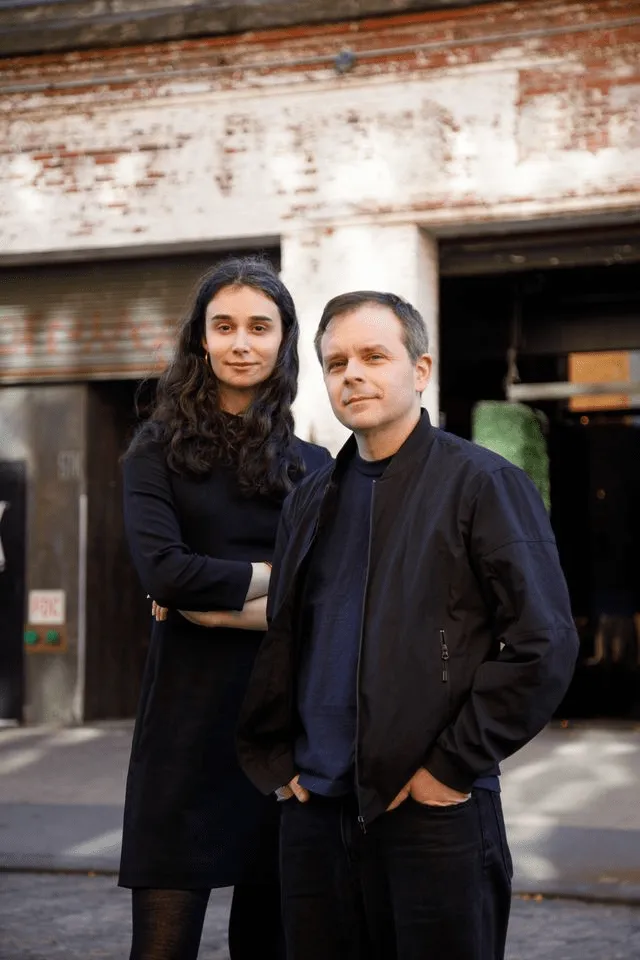
Founded by Sean Raspet, an artist and perfumer, alongside Laura Sisson, a software engineer with a passion for sensory science, Patina emerged from a serendipitous meeting at a scent art gallery in New York City in 2024. Raspet's fascination with human senses drove him to develop new scents, while Sisson's expertise in computational models allowed them to converge their ideas, effectively blending art and science.
“We started collaborating on research, and it became clear that the timing was right to finally build the tools to understand scent at the biological level,” Raspet shared. “That felt like a company.” The duo launched Patina last year, unveiling an innovative framework called Sense1 intended to replicate scent receptors in the human nose, thus establishing the first universal language of smell.
“Customers are increasingly looking for newer, safer, and more expressive fragrances,” Sisson stated, highlighting the current market trend. Simultaneously, the fragrance industry faces supply-chain challenges as the availability of natural resources like rose oil dwindles, escalating costs. Patina’s synthetic alternatives could provide a timely solution, replicating the scent of rose oil biologically without the need for unsustainable plant extraction methods. “These replications are less carbon-intensive than the original plant extract, consuming significantly less water and petrochemicals,” Raspet explained.
As Patina steps into this competitive landscape, it finds itself in the company of established players like Givaudan and Symrise, as well as emerging startups like Osmo. Yet, the company’s innovative use of artificial intelligence positions it uniquely. Currently, only fragrance molecules can be patented, permitting relatively easy reproduction of scents. Historically, this has operated to the advantage of large fragrance companies that can afford extensive lab resources. However, the advancement of AI is rapidly making scent development accessible to smaller enterprises like Patina, allowing them to produce custom scent ingredients in weeks rather than the previously required years.
“By expanding the palette, we believe that perfumers and flavorists, regardless of scale, will have the opportunity to develop and safeguard their signature styles,” Raspet added. Additionally, AI technology is increasingly phasing out animal testing by accurately predicting human-skin reactions, further enhancing Patina’s appeal in an evolving market.
Utilization of this new funding will see Patina transitioning from a backyard operation to a dedicated office in Bushwick, Brooklyn, where a small team of chemists will focus on launching new molecules and fostering industry partnerships. “All models need data to learn from, and we’re actively securing collaborations with startups and academic labs to acquire receptor activation data,” Raspet noted. “Simulating more detailed interactions between molecules and odor receptors holds significant potential for scaling our innovations.”
The long-term goal resonates with Raspet’s vision of creating a “Pantone for scent,” serving as a standardized reference for primary scent molecules from which all fragrances can be derived. “The information has existed all along, waiting for the right technology and expertise to bring it to fruition,” Raspet concluded, asserting Patina’s commitment to underpinning the next era of olfactory innovation.
Source: TechCrunch
Source: TechCrunch