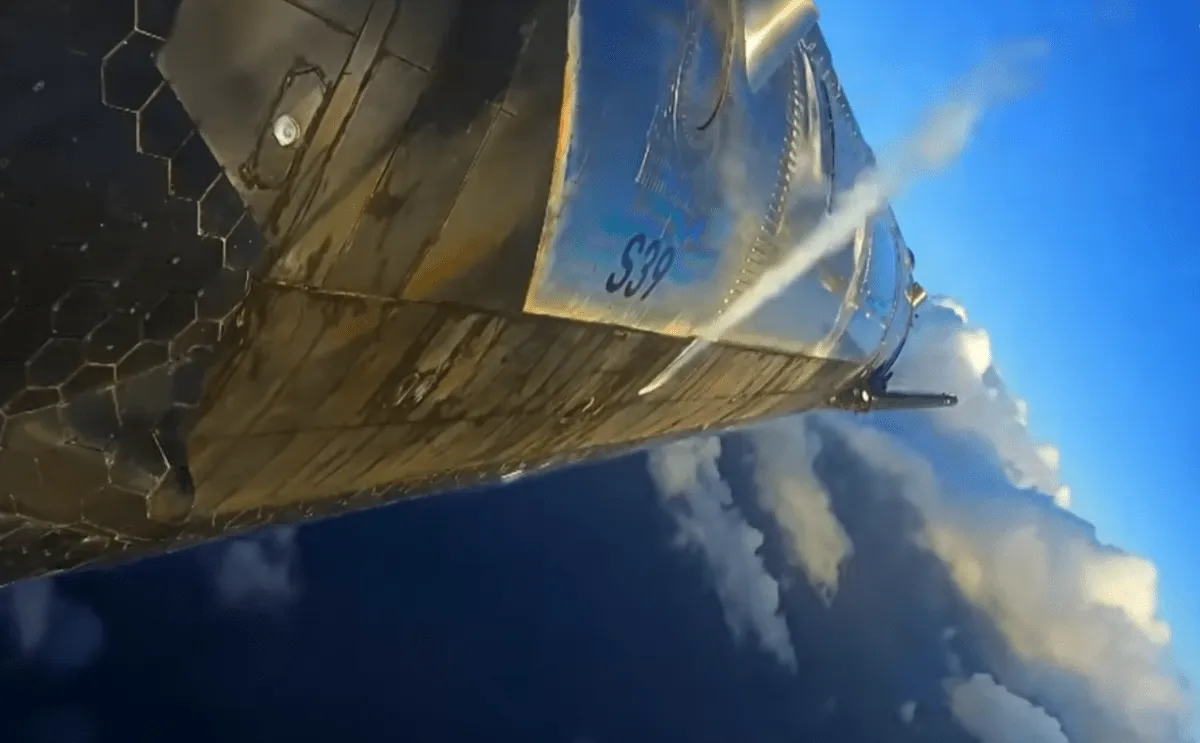
SpaceX's ambition to revolutionize space travel through reusable rocket technology encountered a daunting reality check following its recent IPO and the latest Starship rocket test flight. While the company has long promised transformative advancements in space exploration, the latest developments suggest that achieving full reusability may be more challenging than anticipated.
At the heart of the company’s optimistic projections lies its Starlink satellite communications network, which brought in a staggering $11.4 billion in revenue last year—making it the primary revenue driver for SpaceX. However, a closer examination reveals the considerable financial burden associated with maintaining this network, as SpaceX must replace approximately one-fifth of its satellites each year to sustain service levels.
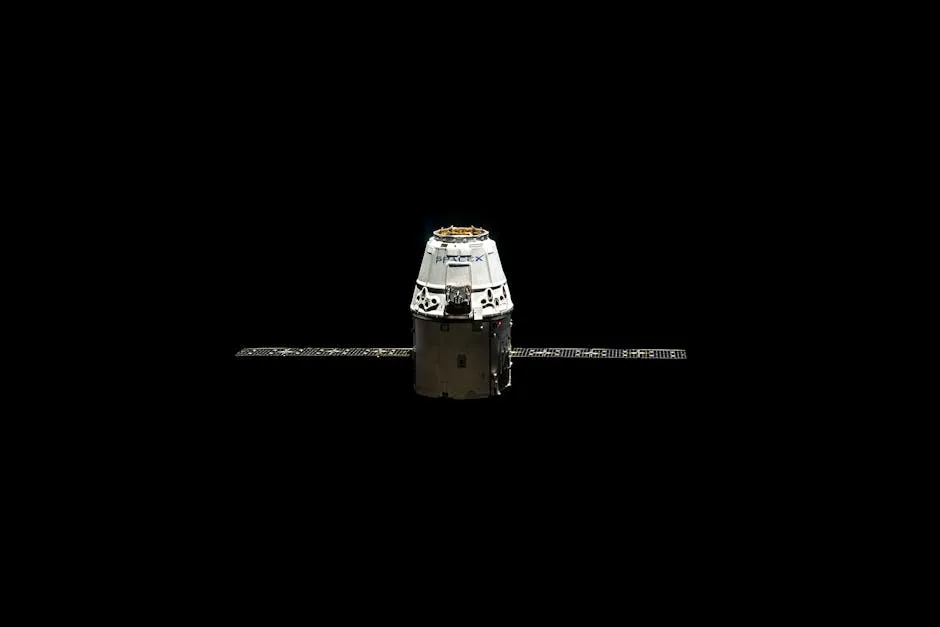
In its filing with the U.S. Securities and Exchange Commission (SEC), SpaceX noted a concerning trend: the costs associated with maintaining and launching its satellite fleet are expected to rise. Elon Musk has posited that the Starship is crucial for controlling these expenses; without reusability, SpaceX's cost-per-launch could balloon, undermining its competitive edge.
“If full reusability is not achieved, the cost of launching on Starship may not be much lower than that of Falcon 9,” warned satellite market analyst Tim Farrar. Current estimates suggest that launch costs could hit as high as $100 million per flight, raising significant questions about the economic viability of the Starship program.
Recent test flights of SpaceX's newest rocket design, intended to demonstrate the advanced reusability features, revealed issues with the relighting of Raptor engines—an essential function for ensuring controlled landings. Although the test successfully deployed prototype satellites, analysts speculate that initial missions may inadvertently consume rockets rather than reutilizing them, casting doubt on Starlink’s anticipated cash inflows.
Meanwhile, SpaceX's S-1 filing revealed a slowdown in Starlink's user growth, raising alarms amongst investors and analysts. The company, which boasts over 10 million subscribers, faces mounting pressure from competitors and declining average revenue per user, which has dropped from $99 in 2023 to $66 in Q1 2026 due to international market expansions.
As competition intensifies, including emerging threats from Amazon’s low-earth orbit network, SpaceX's ability to sustain its growth trajectory may hinge on resolving the reusability conundrum. Without a rapidly expanding subscriber base and the fiscal agility offered by reusable launches, SpaceX faces an uphill battle to maintain its leadership position in the burgeoning satellite communications market.
The operational realities surrounding Starship and the broader implications for that ambitious project have left both advocates and critics with more questions than answers, as SpaceX navigates a complex ecosystem fraught with challenges.
Source: TechCrunch
Source: TechCrunch