As UK shoppers stroll down supermarket aisles, the price tags on everyday essentials provoke a collective gasp. With the cost of six supermarket-brand free-range eggs climbing from £1 in 2022 to an eye-watering £1.80 in 2026, consumers are left to ponder: What’s driving these price increases? Is anyone reaping the rewards?
The Egg Dilemma
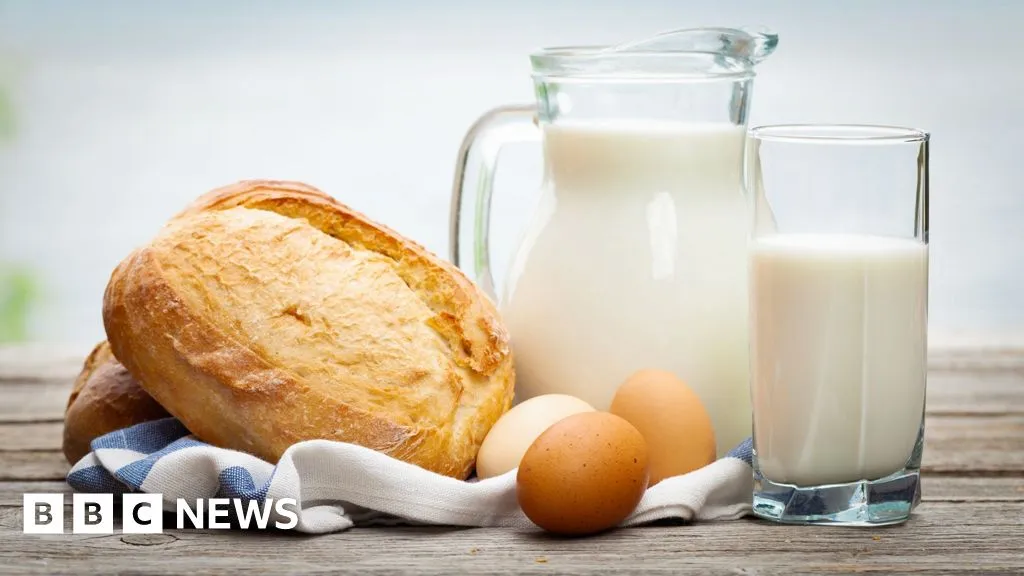
Recent analysis by market researchers Assosia reveals stark disparities in grocery prices compared to just a few years ago. The surge in egg prices can be traced back to a devastating outbreak of avian flu that began in 2021 and led to the culling of millions of hens. With fewer layers in production and rising energy costs to comply with safety protocols, the impact on supply chains has been profound. Limitations on customer purchases were implemented by supermarkets, further highlighting market pressures.
The cost of grain, a primary feed source for laying hens, has also surged due to geopolitical conflicts, including Russia's invasion of Ukraine. As the war continues to disrupt supplies, energy prices remain elevated, fundamentally reshaping the landscape of food production.
The Cost of Milk
Similar stories emerge from the dairy aisle, where the price for four pints of semi-skimmed milk has escalated from £1.29 to £1.65. The dairy sector, heavily reliant on energy for milking and processing, has faced its own set of challenges as global energy prices spiked post-Ukraine war. Although a recent oversupply has offered a slight respite, dairy farmers are contending with significantly lower profit margins, leading to a precarious situation where many are now operating at a loss.
The Bread Basket
A loaf of basic white bread, previously priced at 65p, now averages 74p across major supermarket chains. The initial increases in wheat costs due to the Ukraine conflict have somewhat stabilized, but ongoing unrest in the Middle East has reintroduced volatility into the global supply of essential grains. Agricultural analysts from The Andersons Centre point out that multiple factors—rising raw material costs, heightened energy prices, and even new packaging regulations—are contributing to this economic perfect storm.
Who’s Benefiting?
Despite the juggling act of rising costs, UK supermarket sales surged from approximately £130 billion to £160 billion between 2020 and 2024. Yet, when considering operational expenses and profit margins, major retailers have not significantly increased their earnings. As shoppers face a consistently elevated total at checkout, the question remains: Are consumers shouldering the burden of inflated prices, and if so, to what extent?
The landscape of grocery shopping has changed dramatically over the past few years, and as inflation continues to dog everyday essentials, consumers are urged to remain vigilant and informed about the factors influencing their grocery bills.

As we witness this rapid transformation in the cost of vital groceries, it raises concerns about food security and the long-term sustainability of our agricultural systems. Only time will tell how these trends will evolve and what measures might be necessary to address the mounting pressures on both producers and consumers alike.
Source: BBC Business