Oil prices spiked on Friday as military tensions flared in the Strait of Hormuz, a vital artery in global energy transit, following an exchange of fire between U.S. and Iranian forces. In a dramatic escalation, the U.S. military reported intercepting what it termed "unprovoked" attacks from Iran, which included missiles, drones, and small naval vessels.
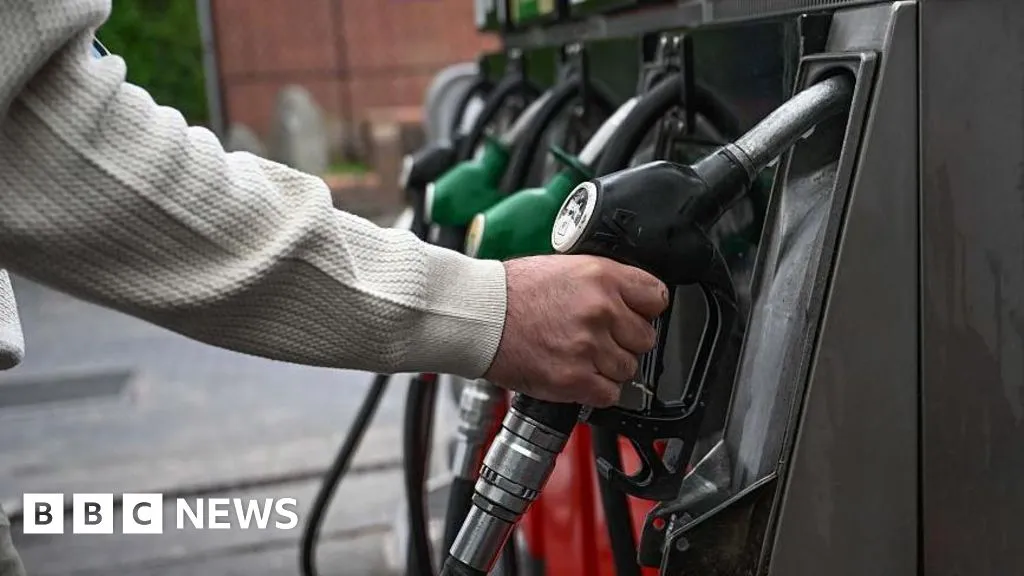
By mid-morning trading, the global oil benchmark, Brent crude, rose by 1.5% to $101.60 a barrel, while U.S.-traded West Texas Intermediate increased by 1.1% to $95.87. The uptick comes amidst growing apprehensions that ongoing military confrontations in the Strait could disrupt energy shipments through this crucial passage, which typically facilitates over 20% of the world’s oil and gas traffic.
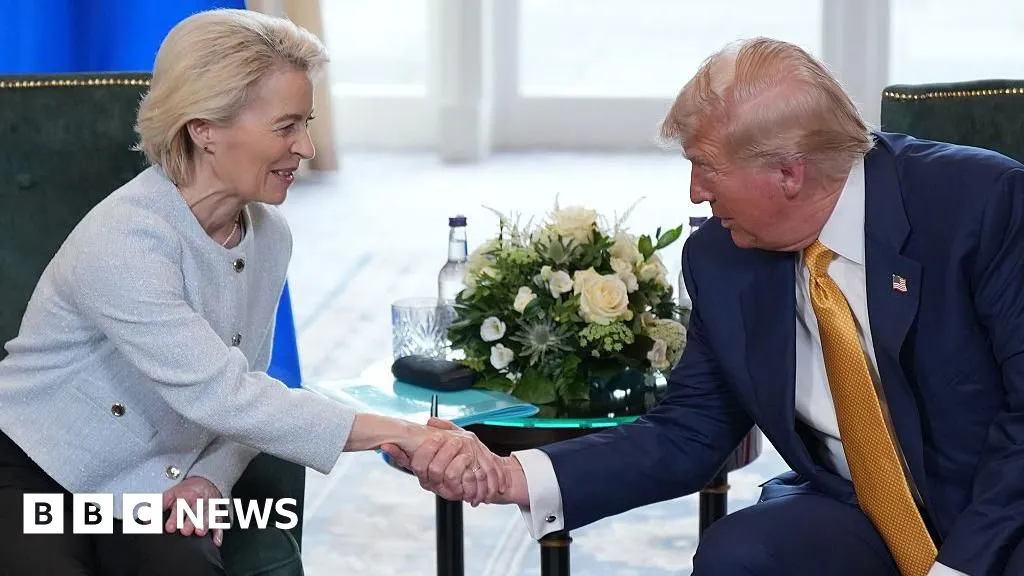
President Donald Trump emphasized that the ceasefire established on April 21 remains intact, aimed at fostering diplomatic discussions with Tehran. However, he reiterated America’s unwavering stance that Iran must abandon any aspirations for nuclear weapons. "The talks are going very well, but they have to understand if it doesn’t get signed, they're going to have a lot of pain," Trump stated, asserting that Tehran's desire for a deal is stronger than his own.
Expert analysts, such as Jiajia Yang from James Cook University, noted that traders are viewing the ceasefire as precarious, prompting market fluctuations even as both nations attempt to downplay escalating tensions. The current situation has led to fears among investors that military actions could lead to significant disruptions in the energy supply chain.
In the latest confrontation, Trump revealed that three U.S. destroyers were involved, claiming that several Iranian boats were "completely destroyed" while asserting that incoming missiles were effectively intercepted. However, Iranian state media countered these reports, alleging U.S. assaults violated the ceasefire by targeting an Iranian oil tanker and other vessels, resulting in retaliatory actions that caused significant damage to U.S. ships—claims that the U.S. Central Command vigorously denies.
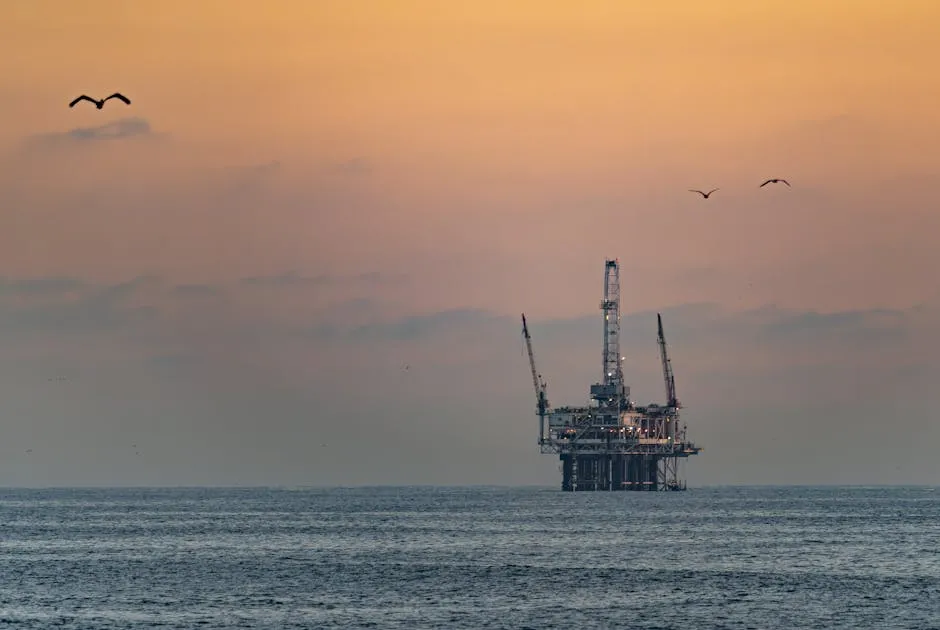
With the ongoing conflict that ignited on February 28 following joint U.S. and Israeli strikes against Iranian targets, energy prices have soared amid Tehran's threats to retaliate against maritime shipments through the Strait. As negotiations for a comprehensive agreement proceed, the global community remains alert to the potential for broader conflict and its impact on energy markets.
Source: BBC News
Source: BBC Business