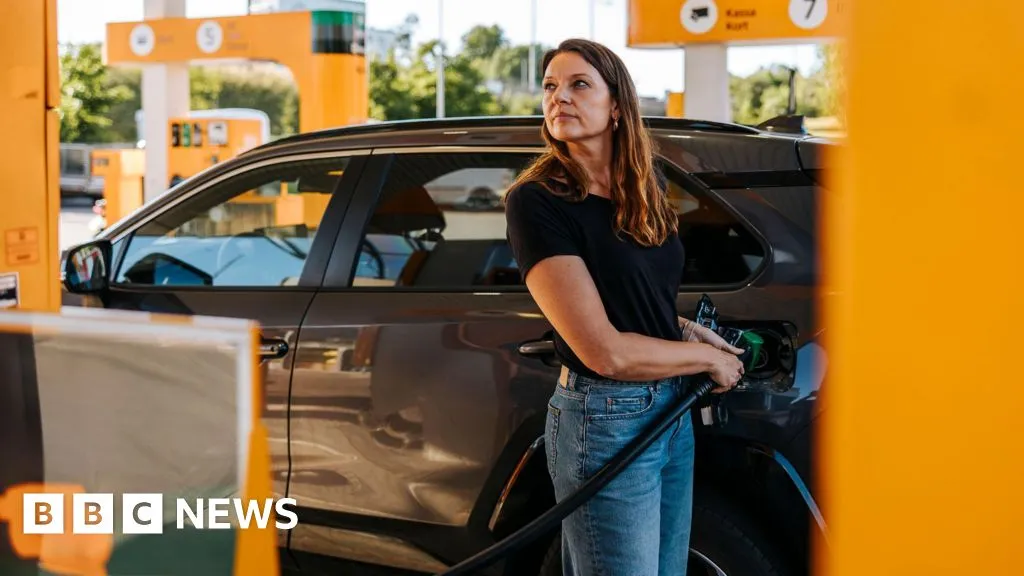
The average price of unleaded petrol has soared to 158.52p per litre, marking the highest level since the onset of the Iran conflict. According to the latest data from the RAC, these rising prices could escalate even further in the coming weeks.
The surge in fuel costs has been attributed to a series of disruptions in energy production and transportation across the Middle East, which have been exacerbated by missile strikes and drone attacks. Since the conflict erupted on February 28, petrol and diesel prices have climbed sharply. At the start of the unrest, the average price for unleaded petrol stood at just 132.83p per litre.
The last time petrol surged to such heights was on April 15, when it peaked at 158.31p per litre before experiencing a slight decline. However, the beginning of May saw prices steadily increase again, a trend that RAC analysts suggest is unlikely to reverse soon without a “dramatic and sustained drop” in global oil prices.
As of now, Brent crude—the worldwide benchmark for oil—trades around $111 per barrel, a stark increase from approximately $73 prior to the conflict. This escalation has translated directly to higher costs at the pump, with the average price of diesel now standing at 185.92p per litre.
Simon Williams, head of policy at the RAC, highlighted the gravity of the situation: “The news that petrol has climbed to a new wartime high comes at a critical time, with recent speculation suggesting that the Chancellor may reconsider planned fuel duty increases due this September.” Williams indicated that maintaining the current fuel duty rate of 52.95p per litre could bring some relief to beleaguered drivers faced with rising operational costs.
The Treasury has refrained from commenting on the rumors surrounding tax changes. Williams also noted a more favorable outlook for diesel prices, which have seen a notable drop since their peak in April. Despite this decline, he urged retailers to pass on savings from lower wholesale prices to consumers at the pump.
As the situation in the Middle East continues to evolve and global oil prices are forecast to remain above $100 for the rest of the year, drivers are left grappling with the ongoing impact of inflationary pressures on their wallets.
For further details, visit the BBC News website.
Source: BBC Business