Oil prices experienced a significant surge on Monday following President Donald Trump's dismissal of Iran's attempt to negotiate an end to the ongoing conflict in the Middle East. The escalating tensions have left the vital Strait of Hormuz effectively closed, resulting in profound disruptions to global energy shipments.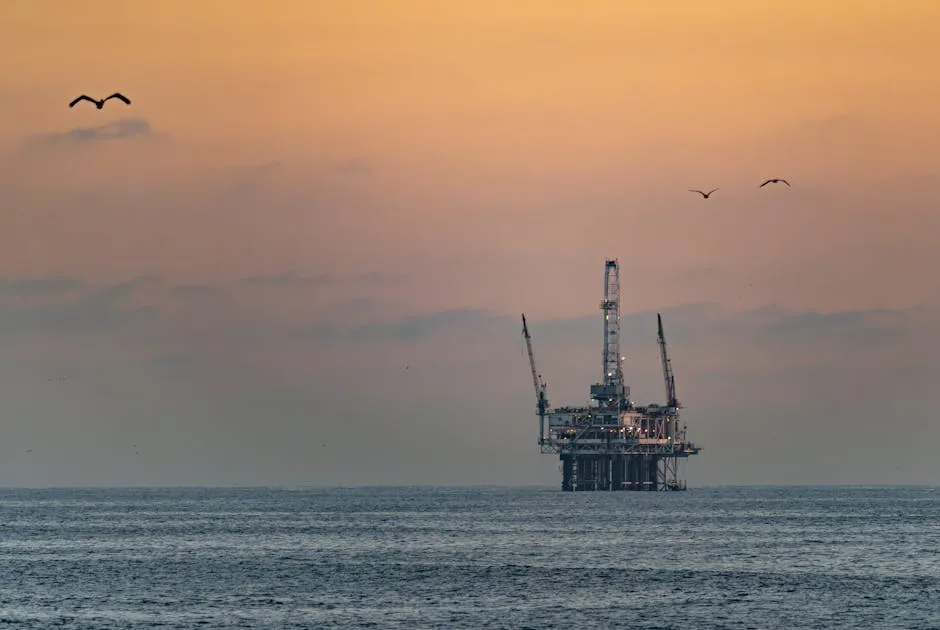
Brent crude, the international oil benchmark, surged by 4.1% to $105.50 a barrel, while U.S.-traded West Texas Intermediate rose by 4.4% to $99.80 in Asian trading hours. The rapid increase in prices underscores the market's sensitivity to geopolitical developments in the region, which accounts for approximately 20% of the world’s oil and gas transit.
Tehran conveyed its counterproposal through Pakistan—a nation acting as mediator—calling for an unconditional ceasefire and assurances against further U.S. and Israeli aggression. However, Trump's reaction was unequivocal. Taking to social media, he labeled Iran's response as “TOTALLY UNACCEPTABLE.” This rebuff follows U.S. demands that included resuming free transit through the Strait of Hormuz and halting Iranian nuclear enrichment, as reported by Axios.
Israeli Prime Minister Benjamin Netanyahu has echoed Trump’s sentiments, asserting that hostilities will persist until Iran’s enriched uranium reserves are significantly reduced. Since hostilities erupted on February 28, the Strait of Hormuz has been perilously shut down due to Tehran's threats against vessels attempting to transit, exacerbating the already turbulent global energy landscape.
Despite a ceasefire initiated in early April aimed at facilitating peace talks—an agreement that has largely held firm with sporadic exchanges of fire—market volatility remains a dominant concern. Trump recently extended the truce indefinitely to allow Iran a chance to present a consolidated proposal.
Energy markets have been erratic since the onset of the conflict. With Brent crude climbing back above the $100 mark since the ceasefire took effect, major oil companies are reaping significant profits. State-owned Saudi Aramco reported an over 25% rise in earnings during the first quarter compared to last year, crediting its robust pipeline network for maintaining supply routes amid Iranian threats. The CEO of Aramco, Amin Nasser, stated that the pipeline has
Source: BBC Business