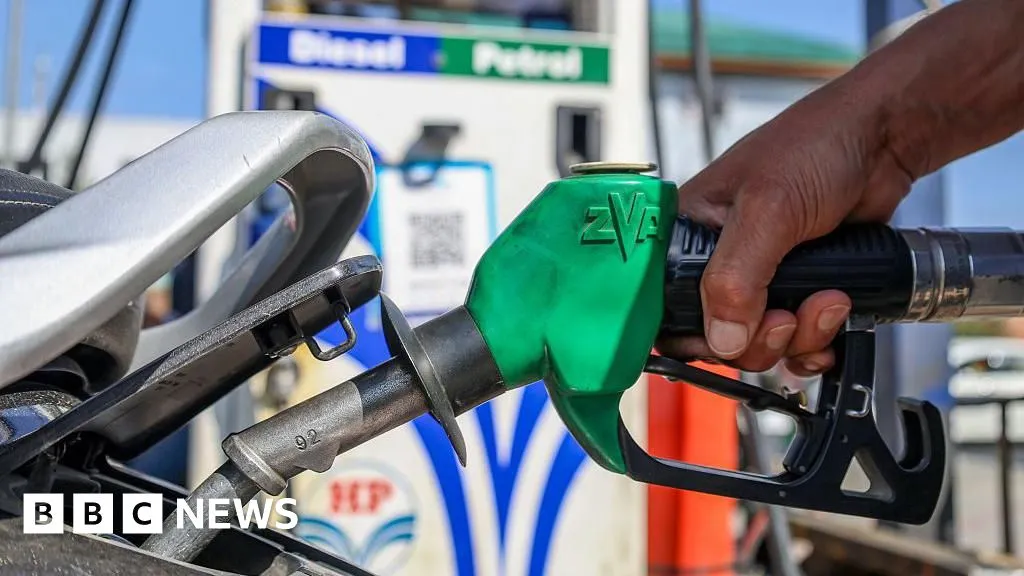
In a significant development for global markets, oil prices have plummeted while stocks surged after the United States and Iran announced a landmark agreement aimed at ending hostilities in the region. President Donald Trump heralded the deal, which includes the reopening of the crucial Strait of Hormuz waterway, a conduit for approximately 20% of the world’s oil supplies.
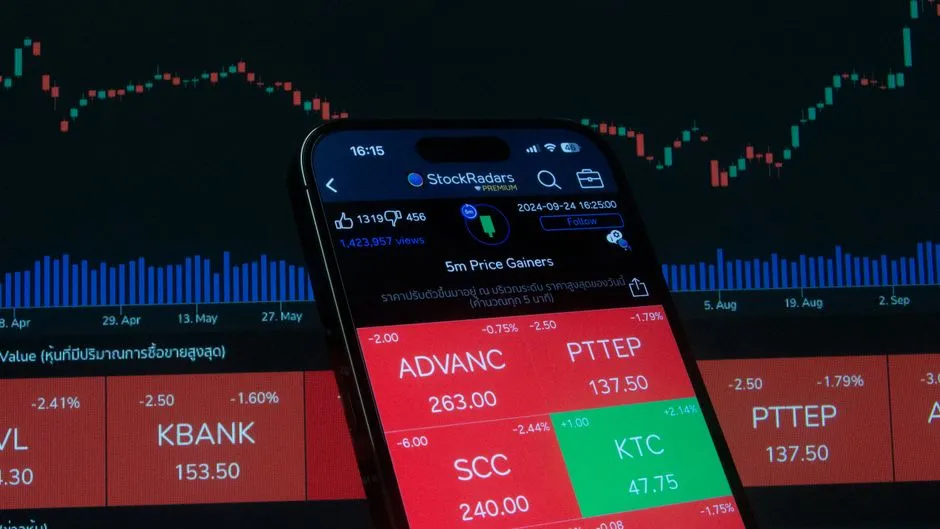
Brent crude, the international oil benchmark, saw a swift decline of 4.7%, settling at $83.24 per barrel. Concurrently, Asian and European share markets rallied as investors reacted optimistically to the news. Japan’s Nikkei 225 surged by 5%, while South Korea’s Kospi climbed 5.2%, reflecting a collective sigh of relief from energy-dependent economies.
The framework agreement was facilitated through mediation by Pakistan, which announced that an official signing ceremony would take place on June 19 in Switzerland. Iranian Deputy Foreign Minister Kazem Gharibabadi confirmed the completion of the deal during a televised address, while Trump took to social media, exclaiming, “let the oil flow!” Despite the upbeat tone, some analysts cautioned that the scarcity of detailed provisions in the agreement could introduce uncertainty in the markets.
Vandana Hari of Vanda Insights emphasized that the ambiguity surrounding the deal’s specifics might result in weeks of volatility within the oil sector. “We could see a week of unease and fluctuation in oil prices,” she stated, highlighting ongoing concerns about market stability.
Following military conflicts that escalated with U.S. and Israeli airstrikes in February, the Strait of Hormuz had been effectively closed. Since then, Tehran threatened to target vessels navigating this vital maritime route, exacerbating global supply fears.
This announcement of a potential peace accord arrives amidst a tumultuous backdrop for energy markets, which have experienced erratic swings in prices influenced by the ongoing conflict. Brent crude prices soared from about $70 per barrel to a staggering $120 during peak hostilities.
In Europe, indices remained buoyant with Germany’s DAX and France’s CAC 40 gaining around 1.7%, while London’s FTSE 100 ended the day up by 0.6%. Yet, experts warn that the flow of oil through the Strait of Hormuz will not return to pre-war levels immediately. Andrew Lipow from Lipow Oil Associates indicated significant logistical challenges ahead, noting that mines need to be cleared and that a backlog of vessels would prolong any swift recovery in operations.
Retired Admiral Mark Montgomery, a fellow at the Foundation for the Defence of Democracies, elaborated on the hurdles, predicting a timeframe of up to 45 days for normal oil pumping operations to resume smoothly. “It’s not an overnight thing,” he stated in commentary to the BBC.
The implications of this agreement extend beyond just the oil markets, as the UK grapples with economic contractions fueled by the fallout of the Iran conflict. Analysts suggest that the deal could reshape the landscape of global energy dependence, altering how nations navigate their energy policies in the years to come.
Source: BBC World News