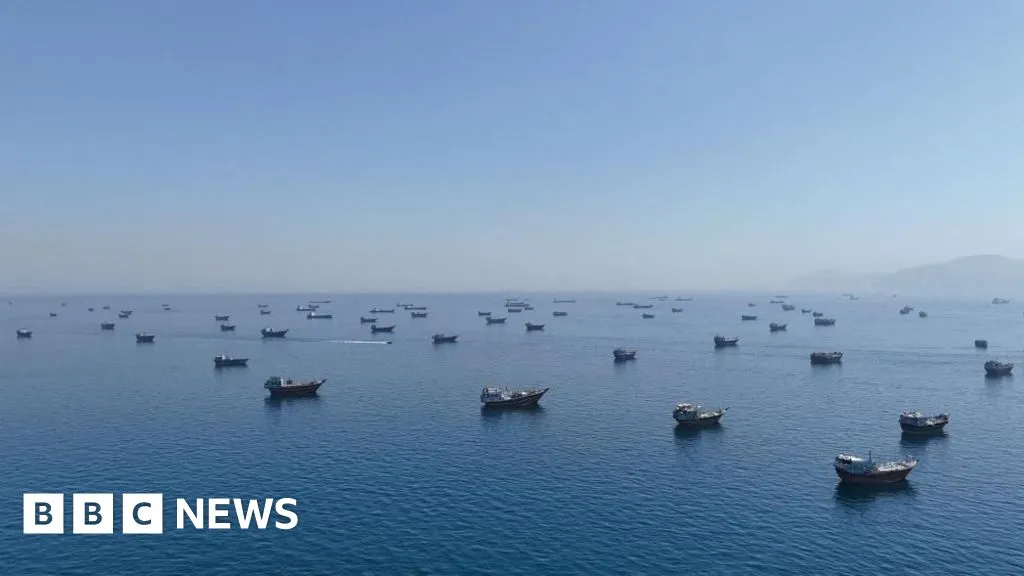
In a noteworthy development amidst ongoing tensions, Iran's Foreign Minister Seyed Abbas Araghchi announced that a pivotal deal with the United States to bring an end to hostilities is nearing completion. A key component of this agreement promises the reopening of the strategically crucial Strait of Hormuz, a vital artery for global oil and liquefied natural gas shipping.
Araghchi disclosed during a state television interview that the deal, which involves the lifting of the US blockade on Iranian shipping, would also initiate discussions concerning Iran's contested nuclear program at a later stage. U.S. officials have corroborated some details of the agreement, indicating that any economic incentives for Iran would be contingent upon the nation's compliance with outlined obligations.
This latest round of violence erupted following a series of U.S. and Israeli strikes in Iran on February 28, which were met with retaliatory attacks from Tehran against Israel and its Gulf allies, effectively closing the Strait of Hormuz. Despite an April ceasefire, sporadic exchanges of fire have persisted, raising concerns over the longevity of peace.
As negotiations progressed, U.S. President Donald Trump declared on Thursday that he had halted planned military operations against Iran, citing a "great settlement" that was on the verge of being finalized. Iranian state media later revealed elements of a purported 14-point agreement that Trump dismissed as disconnected from reality.
Adding to this diplomatic narrative, Pakistani Prime Minister Shehbaz Sharif—a key mediator in the dialogue—reported that a Memorandum of Understanding (MoU) between the U.S. and Iran was on the brink of culmination, pending final approval. However, Araghchi noted the existence of varying opinions within Iran's Supreme National Security Council regarding the deal, hinting at potential internal discord.
Remarkably absent from these negotiations has been Israel, which remains skeptical of Iran's intentions amidst the ongoing nuclear discussions. Iran has consistently rejected allegations from Western nations regarding ambitions to develop nuclear weapons, asserting its program is solely for peaceful purposes, including energy generation and research.
In a detailed press briefing on the prospective agreement, U.S. officials articulated that the opening of the Strait of Hormuz would coincide with the suspension of the blockade. Following this, a 60-day negotiation period will focus on Iran's enriched uranium stockpile—pivotal to nuclear weapons development. The agreement stipulates that this material would be dismantled on-site before being removed from Iran, although the specifics remain under negotiation.
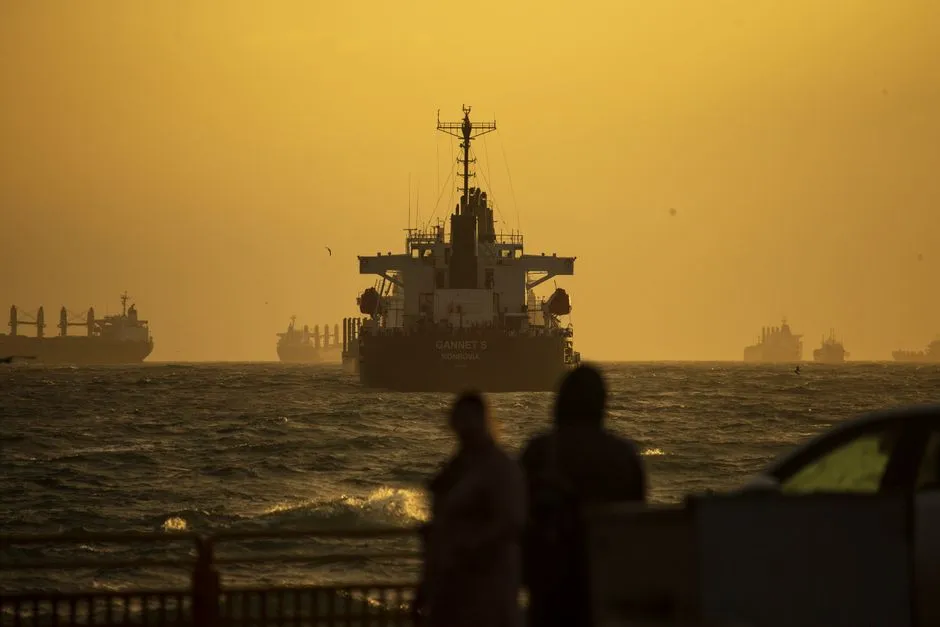
On an economic front, U.S. officials emphasized that any financial benefits would be realized incrementally, shunning preliminary arrangements for unfrozen assets. Also notable is the demand for Iran to cease funding regional proxy groups, which includes entities like Hezbollah.
While officials express cautious optimism regarding the talks mediated by Pakistan and Qatar, the sentiment is tempered by the awareness that similar agreements have previously fallen apart. Nonetheless, a renewed willingness to engage in substantive dialogue marks a pivotal moment for U.S.-Iran relations.
As discussions continue, Araghchi expressed hope that, should the final terms gain approval, the agreement could be signed remotely, paving the way for a potentially transformative shift in Middle Eastern geopolitics.
Source: BBC News
Source: BBC World News