In a dramatic escalation, Iran has branded the latest US airstrikes near the strategic Strait of Hormuz a "gross violation" of the fragile ceasefire that had been holding since early April. The strikes occurred on a day when Iranian and Qatari negotiators were engaged in crucial peace talks in Doha.
According to the US Central Command (Centcom), these operations targeted Iranian missile sites and vessels suspected of laying mines, which they characterized as "self-defense strikes" aimed at safeguarding their troops from perceived threats posed by Iranian forces. Iran's Foreign Ministry, however, condemned the actions as aggressive and unjustified, holding the US accountable for any ramifications arising from this escalation.
"The Islamic Republic of Iran will not leave any aggression unanswered and vows to defend its national interests," the ministry stated, underscoring Iran's determination to respond robustly to perceived threats. The conflict, which reignited in late February with a series of assaults, including one that reportedly killed Iran's supreme leader, saw a ceasefire established on April 8, though compliance has been tenuous.

Tawseef Ahmad on Pexels' alt='Strait of Hormuz' />
Details concerning the recent airstrikes remain scant. Centcom confirmed that US forces targeted southern Iran, likely near the port city of Bandar Abbas, home to significant naval infrastructure. This area has seen increased military activity, coinciding with unrest and local investigations into explosions reported nearby.
In further developments, Iran's Islamic Revolutionary Guard Corps alleged that it downed a US drone and engaged a fighter jet intruding into its airspace—a claim that, if substantiated, could heighten tensions significantly.
As the negotiation environment becomes increasingly fraught, US Secretary of State Marco Rubio has suggested that a deal from ongoing talks remains a possibility, although it may take several days to finalize. Initial optimism was expressed by President Donald Trump, who indicated that a potential agreement was near, but later advised negotiators to approach discussions cautiously.
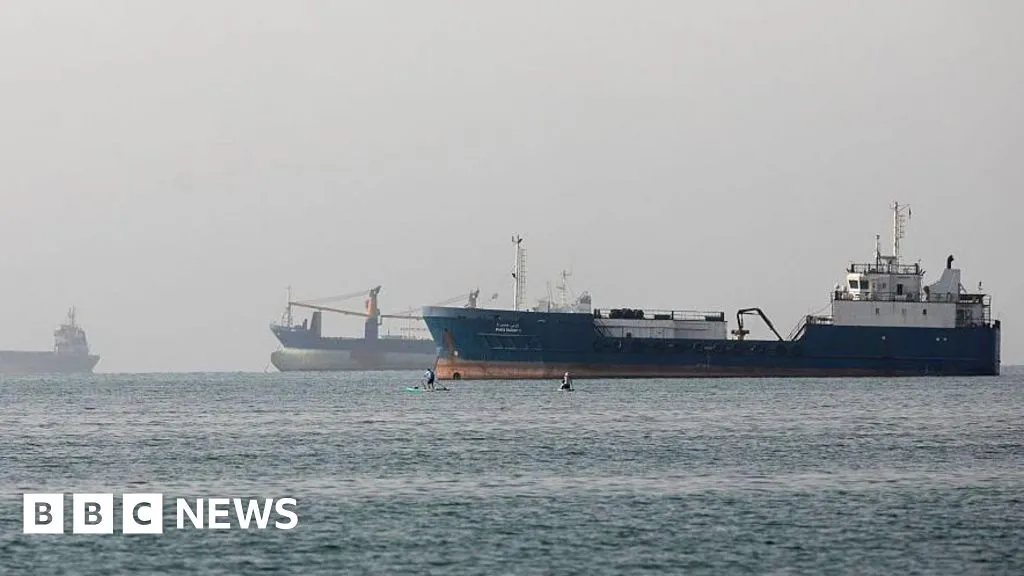
While some progress is reported in the talks, unresolved issues linger, particularly regarding Iran's demand for the release of substantial frozen assets held abroad. Central to these discussions are also pivotal concerns related to Iran's stockpile of highly enriched uranium and the unrestricted operation of the Strait of Hormuz—a vital maritime corridor responsible for the transit of nearly a fifth of the world’s oil supply.
The international community remains on high alert as accusations of nuclear weaponization juxtapose Iran's claims of peaceful intentions regarding its nuclear program. As the clock ticks toward a potential agreement, both sides are caught in a delicate dance of diplomacy amid the shadow of conflict.
Source: BBC News
Source: BBC World News