In a significant diplomatic endeavor, the first direct negotiations between the United States and Iran in over a year are set to extend throughout the night in Switzerland. This pivotal meeting comes on the heels of escalating clashes between Israel and Hezbollah, heightening tensions in the region and prompting urgent calls for resolution.
Senior US diplomats confirmed that discussions began Sunday, following last week’s tentative agreement to reach a full deal within 60 days. "Our focus tonight is on clarifying some of the confusing messaging we've received from Iran," stated a US diplomat involved in the talks. Key points on the agenda include the reopening of the strategic Strait of Hormuz, enforcement of a ceasefire in southern Lebanon, and critical elements pertaining to Iran's contentious nuclear program. 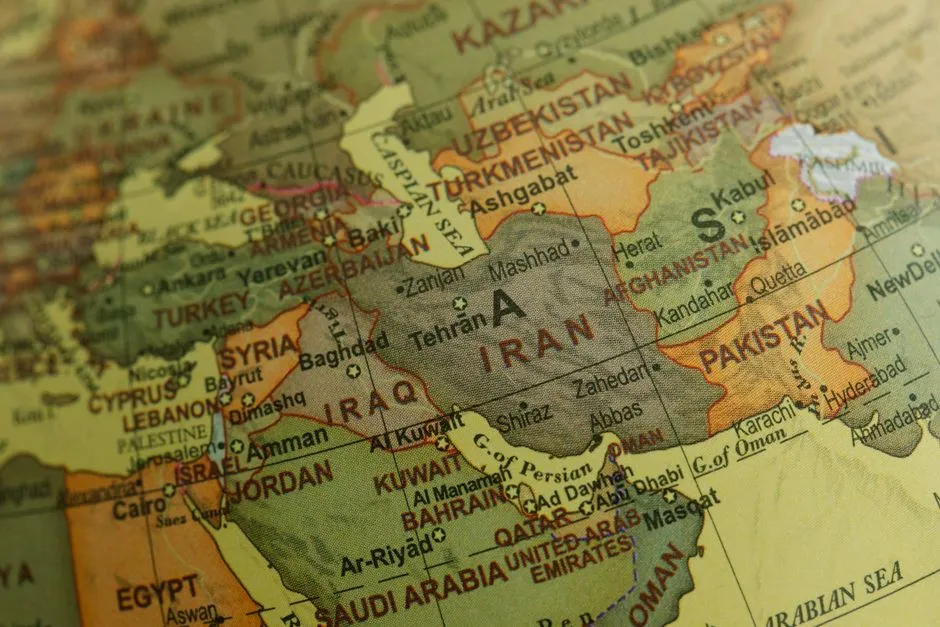
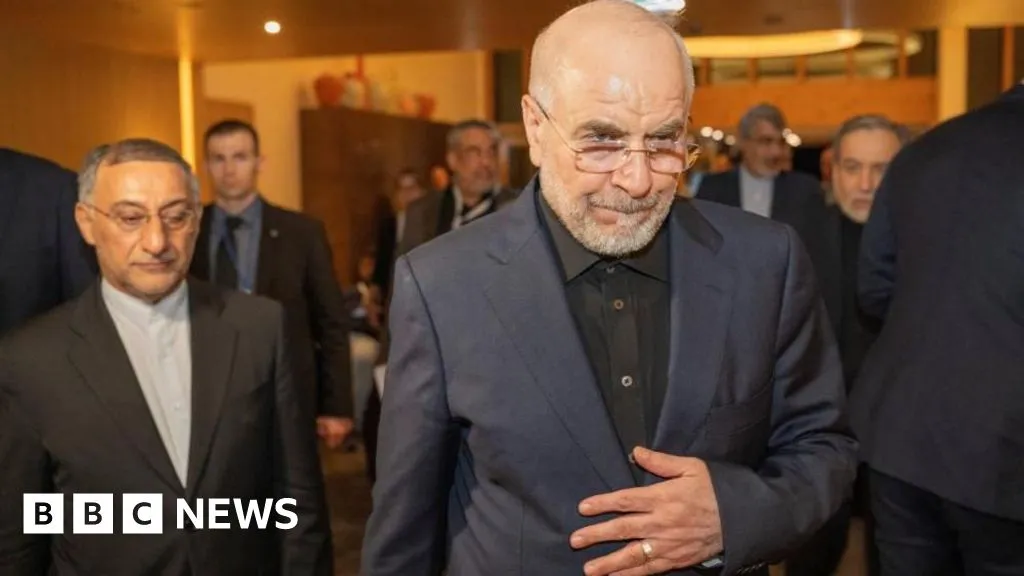
The backdrop to these negotiations is troubling; President Donald Trump issued a stark warning to Iran, threatening renewed military action should Hezbollah continue its hostilities against Israel. In a pointed retort, Iran’s chief negotiator Mohammad Bagher Ghalibaf dismissed these threats, asserting, "If their threats had any effect, they wouldn’t be in this desperate situation today." This exchange underscores the deep-rooted animosities and complex dynamics at play.
The recent surge in violence has led to tragic casualties, with Israeli airstrikes reportedly claiming many Lebanese lives, prompting the US to call for a new ceasefire. As hostilities persisted, Iran announced the temporary closure of the Strait of Hormuz, a crucial maritime route for global oil and gas shipments, although traffic data suggests vessels continue to navigate through it.
Israeli Prime Minister Benjamin Netanyahu affirmed that military operations would persist as necessary to safeguard northern Israel, while Hezbollah leader Naim Qassem vowed to confront any Israeli incursions in southern Lebanon. Both sides remain entrenched in their positions, complicating potential diplomatic breakthroughs.
At the talks in Lucerne, Vice-President JD Vance, leading the US delegation alongside Trump’s son-in-law Jared Kushner and special envoy Steve Witkoff, expressed a willingness to reconsider the US-Iran relationship. He emphasized a potential transformation should Iran's leaders choose to abandon their quest for nuclear weapons and regional destabilization.
Alongside the US representatives, major diplomatic figures from Pakistan and Qatar have joined the ongoing discussions, aiming to facilitate dialogue and mediation. Pakistani Prime Minister and military leaders, along with Qatari officials, have actively engaged in past negotiations, highlighting the importance of multilateral efforts in achieving lasting peace.
As the night unfolds, these talks could dictate the pace of peace in the region. The stakes are undeniably high, hinging on the outcomes of this critical dialogue.
Source: BBC World News