The International Monetary Fund (IMF) has upgraded its growth forecast for the UK in 2026, predicting a rise from 0.8% to 1%. This adjustment, while optimistic, is tempered by significant risks posed by ongoing global conflicts, particularly the war in Iran, and domestic uncertainties that could hinder economic progress.
Shifting Dynamics in Economic Forecasts
In its recent analysis, the IMF underscored that the UK economy is exhibiting signs of resilience despite turbulent global conditions. The report highlights the potential for a prolonged conflict in the Middle East to exacerbate inflation through soaring energy and food prices, thereby impacting household budgets and consumption patterns.
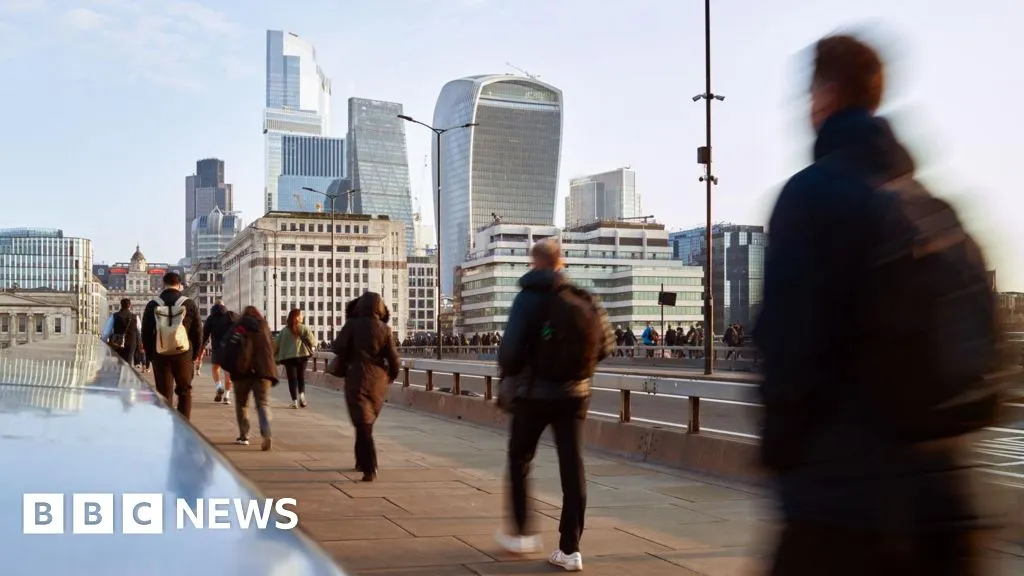
Domestic factors contribute to this precarious scenario as well. With March witnessing an unexpected 0.6% growth driven by retail and construction sectors, the IMF noted that uncertainty stemming from political dynamics could influence investment confidence. “Domestic uncertainty could hinder consumption and investment decisions,” the report stated.
Inflation and Interest Rate Projections
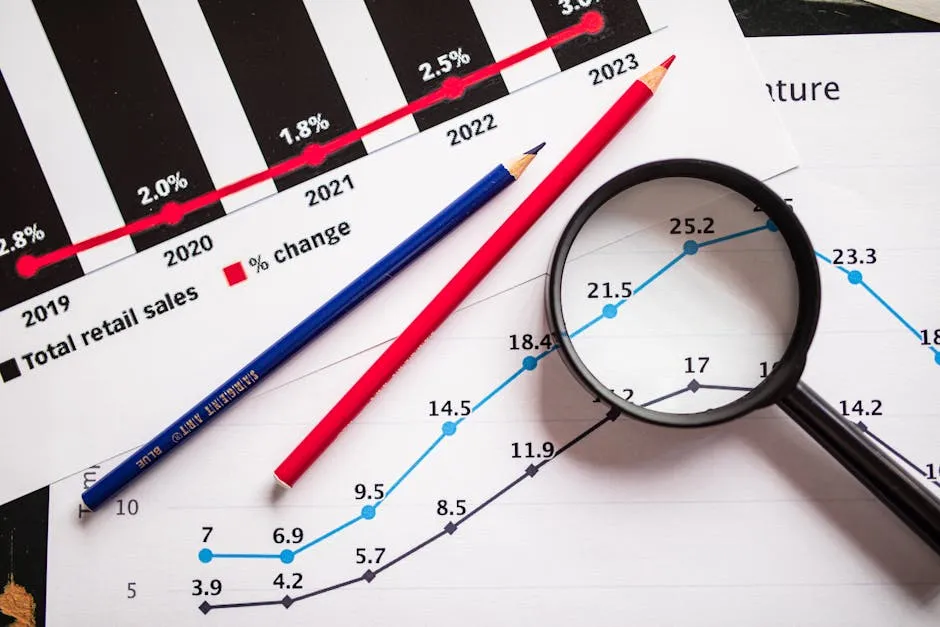
The IMF anticipates a temporary uptick in inflation, influenced heavily by external energy costs. However, it reassured that the Bank of England might not need to raise interest rates from the current level of 3.75%, a decision stemming from the belief that holding rates steady could suffice to reclaim the inflation target of 2% by the end of 2027.
Government Response and Economic Strategies
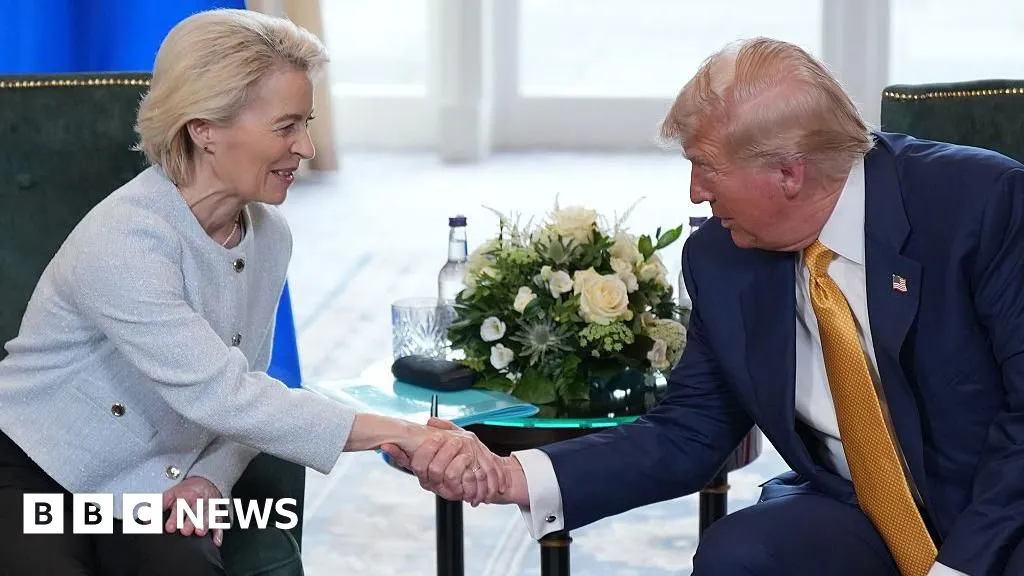
The forecast was positively received by Chancellor Rachel Reeves, who emphasized the government's commitment to an economic strategy aimed at mitigating the impacts of the Iran conflict. “The choices I have made as chancellor place our economy in a stronger position,” Reeves stated, urging political stability in the face of recent electoral setbacks for Labour. She cautioned that compromising stability amid signs of improvement would adversely affect families and businesses.
Amidst a backdrop of political turmoil, market observers noted the significance of stable government policies. Luc Eyraud, the IMF's mission chief to the UK, expressed that predictable governance can enhance market confidence and minimize the likelihood of economic downturns.
Long-Term Economic Considerations
The IMF also addressed looming long-term challenges, indicating that growing expenditures—partly due to defence commitments, climate initiatives, and demographic changes—would necessitate careful fiscal management. The organization pointed out the limited scope for future tax increases without substantial reforms, urging spending restraint to maintain economic stability.
Looking ahead, the Chancellor is expected to unveil additional measures addressing the cost-of-living crisis, including the potential cancellation of a planned fuel duty increase. Meanwhile, the IMF’s cautious optimism serves as a reminder that while growth forecasts are subject to fluctuation, a proactive economic strategy is crucial in navigating an unpredictable global landscape.
As the UK grapples with these complexities, market participants and policymakers alike will keep a close watch on forthcoming developments in domestic and international arenas.
Source: BBC News
Source: BBC Business