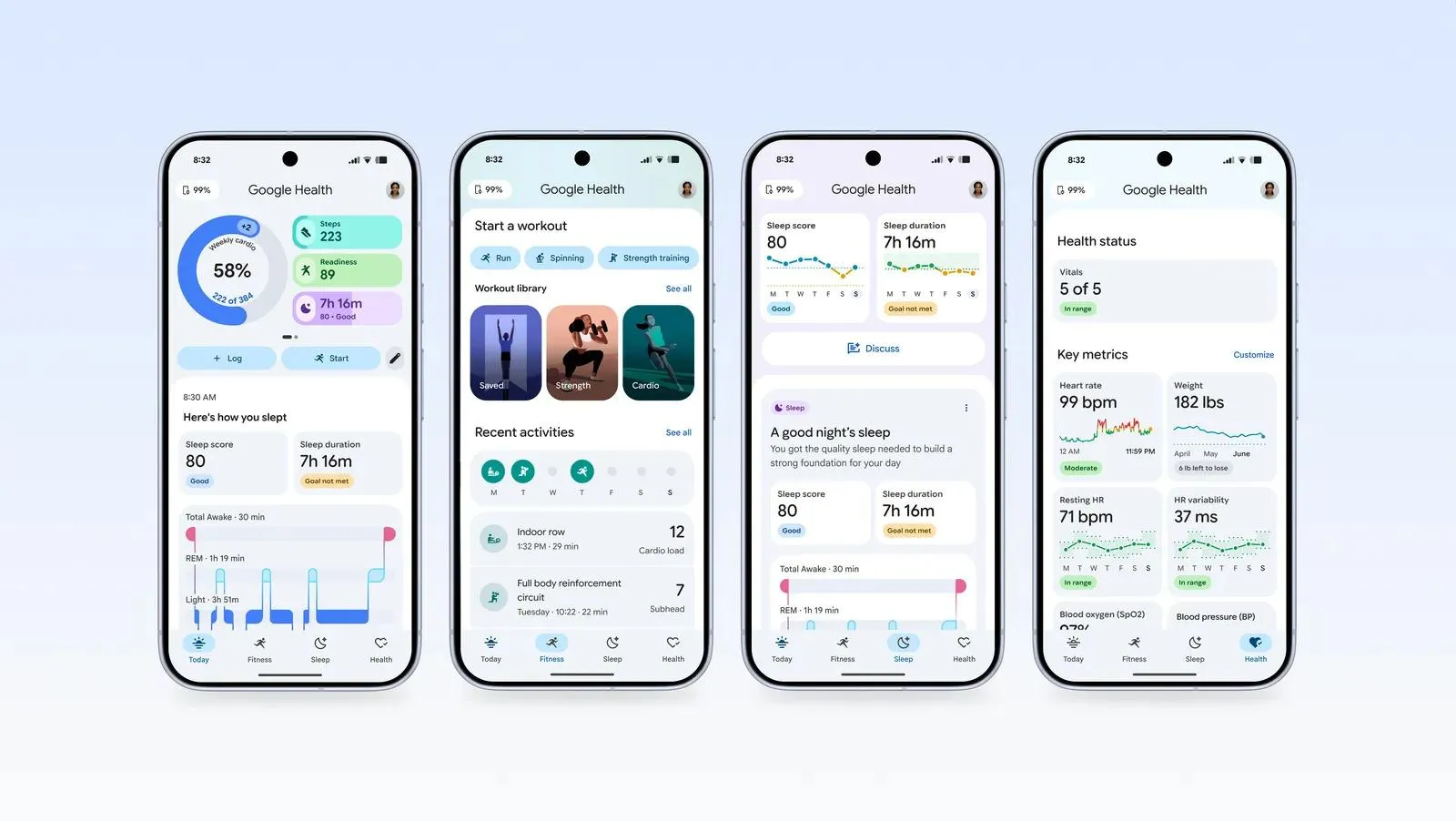
The launch of Google Health, which replaces the beloved Fitbit app, has ignited a wave of discontent among fitness enthusiasts. Users are voicing their dissatisfaction with the new platform, expressing a strong desire to return to the classic Fitbit experience. As Google attempts to integrate advanced artificial intelligence features, many fans of the original app feel lost and frustrated with the change.
With the introduction of the new Fitbit Air, many users were eager to experience what Google Health had to offer. However, reactions have been overwhelmingly mixed, with significant numbers of users taking to social media and forums to voice their concerns. One Reddit post encapsulated the struggle, stating, "I can’t even completely fill up my home screen. They only have 2 large tiles available, and I can’t just scroll down to see everything.”
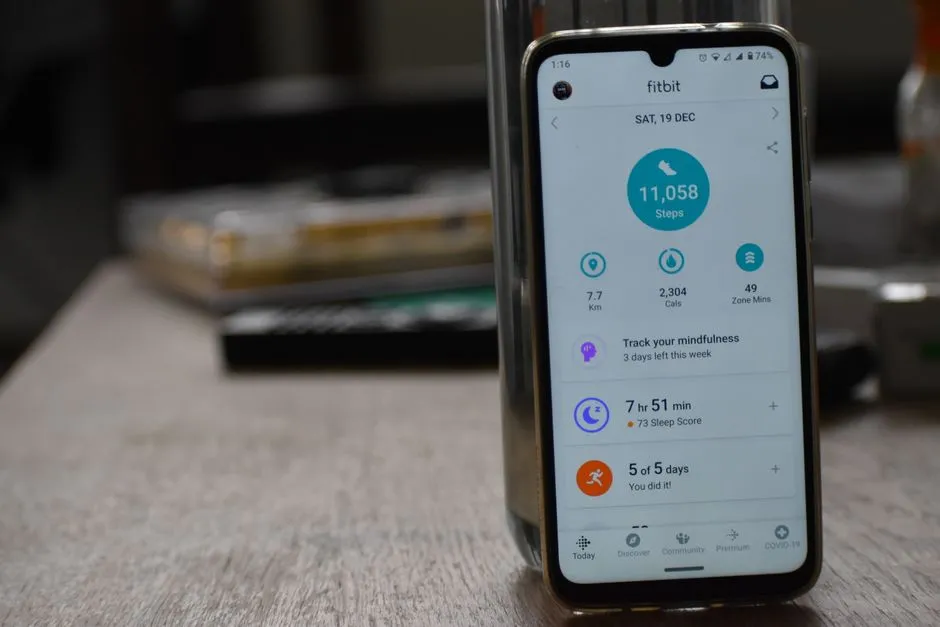
Despite Google’s promise of enhanced health coaching via AI, users have expressed confusion over the app’s design and functionality. Early experiences reveal that much of the screen space is now dominated by updates and messages from the AI coach, which some users feel detracts from their overall experience. In stark contrast to the straightforward interface of the old Fitbit app, the new layout has left users scrambling to locate their stats.
Comments on the transition range from praise to disappointment. Some have found the AI feature beneficial; one user shared, "When I ask it to design a moderate workout using my office gym equipment, I usually end up feeling great afterwards." In contrast, others have criticized the design as overly simplistic, with one comment deriding it as resembling work from an elementary school student. Users report that the once accessible fitness metrics are now buried under unnecessary AI-generated commentary.
A troubling response, echoed across various platforms, describes Google Health as a product that "drains time for minimal results." This sentiment highlights a growing demand for the straightforward functionality that defined its predecessor. Users no longer wish to scroll through what they deem as tedious notes about their daily routines, preferring quick access to their workout data instead.
While Google’s Rishi Chandra has indicated that the platform will eventually accommodate third-party wearables, currently, the transition has proven less seamless for many users. For those with supported devices, the promise of dedicated tabs for Fitness and Sleep holds some potential. However, without access to such features, many find the app cumbersome and less effective than anticipated.
The response to Google Health thus far raises critical questions about the balance between innovative AI integration and user-centric functionality in health applications. As this transition unfolds, only time will tell whether Google can address user frustrations and enrich its new app to meet the needs of its community.
As the feedback continues to pour in, both Google and its users are navigating uncharted territory in the world of health technology.
Source: The Verge
Source: The Verge