In a groundbreaking moment for the tech industry and personal wealth, Elon Musk has become the first individual to reach a trillion-dollar net worth, fueled by the record-breaking initial public offering (IPO) of his aerospace company, SpaceX. Following the IPO, which saw shares surge from an initial offering price of $135 to a peak of $176.50, Musk's fortune was formally valued at $1.11 trillion according to the Bloomberg Billionaires Index.
SpaceX's listing on the Nasdaq stock exchange underlines a remarkable milestone, with the company debuting at an estimated valuation of $2.2 trillion. This surge has solidified Musk’s position as the world’s richest man and sparked renewed debates surrounding wealth accumulation and inequality.
Profitability in Question
The allure of SpaceX lies not only in its rocket launches but also in its ambitious plans for the future, including satellite internet services through Starlink and a budding focus on artificial intelligence (AI). However, critics highlight that despite the soaring stock value, the company remains unprofitable, having lost over $9 billion thus far in 2026 in pursuit of aggressive growth initiatives.
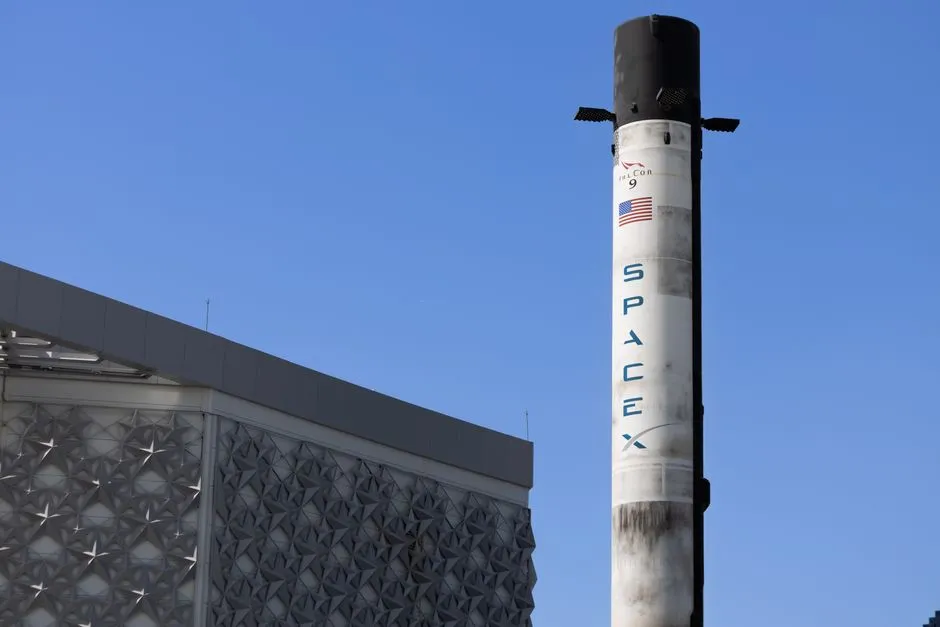
As of the market's close on Friday, Musk's stake in SpaceX represented around $767.1 billion, complemented by holdings of $168 billion in Tesla shares and options. His ownership of 42% of SpaceX allows Musk substantial influence over the direction of the enterprise, including spending in emerging sectors like AI, raising eyebrows across the investment community.
Wealth Inequality Sparks Controversy
With this unprecedented wealth comes intense scrutiny. The sheer scale of Musk's fortune is comparable to the entire economic output of countries such as Poland or Switzerland. Critics, including prominent U.S. senators like Bernie Sanders and Elizabeth Warren, have voiced concerns regarding such vast wealth concentration, arguing that it highlights systemic issues in wealth distribution. Warren, in particular, called it a "wake-up call" urging for serious reconsideration of wealth taxation.
Community Impact and The Future
Moreover, SpaceX's IPO is projected to benefit over 4,400 current and former employees who are expected to gain millionaire status thanks to stock options received as part of their compensation. This distribution of wealth, however, stands alongside warnings of potential societal impacts, particularly given Musk's previous decisions to cut governmental programs aimed at aiding millions.
Despite the controversies, high-profile investors continue to support Musk, with many maintaining that the long-term vision of SpaceX—including plans for data centers in orbit and further advancements in rocketry—merits a bullish outlook. Nancy Tengler, head of Laffer Tengler Investments, remarked on the speculative nature of SpaceX’s new ventures, while still expressing confidence in its potential for long-term recovery.
As SpaceX paves the way into a new frontier of investment and growth, Musk’s unprecedented financial ascent raises critical discussions about the implications of individual wealth on societal frameworks and future economic structures.
Source: BBC News
Source: BBC Business