A deadly outbreak of Ebola has devastated eastern Democratic Republic of Congo (DRC), prompting the World Health Organization (WHO) to declare a public health emergency of international concern. This outbreak is particularly alarming as it is caused by the rare Bundibugyo strain, which has not been observed for over a decade and is occurring in a region severely impacted by ongoing conflicts.
Understanding Ebola: Symptoms and Transmission
Ebola is an extremely infectious disease caused by the Ebola virus, primarily transmitted to humans from animals, often through the handling or consumption of infected wildlife. With symptoms that can emerge between 2 to 21 days post-exposure, the initial signs are deceptively common: a sudden onset of fever, fatigue, headaches, and muscle pain, followed by severe gastrointestinal distress and potential organ failure. The disease can result in internal and external bleeding in some cases, complicating its clinical presentation.
The Unique Challenges of This Outbreak
This particular outbreak is unique; it involves the Bundibugyo species of the virus, which has only been responsible for two previous outbreaks in history, claiming about one-third of those infected. Compounding the situation, initial testing for Ebola yielded negative results, as standard blood tests primarily target more prevalent strains. Unfortunately, there is no approved vaccine specifically for Bundibugyo, and treatment options are further limited, intensifying fears of a widespread crisis.
The emergency is exacerbated by the fact that the outbreak is centered in conflict-affected areas, where displacement is rampant, and access to healthcare remains severely constrained. Over a quarter of a million people have been forced from their homes, navigating a region with porous borders and heightened mobility, which poses a significant risk of further transmission.
The Outbreak's Genesis
Tracing the origins reveals that the first confirmed case in this outbreak was a nurse who showcased symptoms on April 24. Tragically, the virus had already begun disseminating through the community undetected for weeks, making it difficult to ascertain the true scale of the outbreak and identify additional infected individuals. According to Congolese authorities, the rapid spread of the virus was influenced by traditional funeral customs, which exposed numerous individuals to the deceased, thus amplifying contagion risks.
Geographical Spread and Immediate Responses
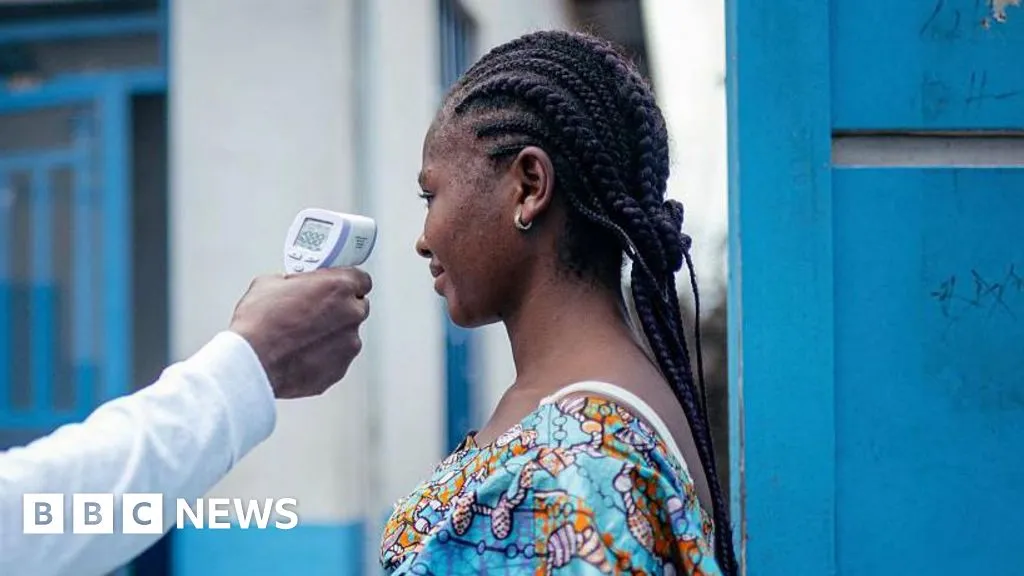
Initial clusters of cases have emerged in the Ituri Province towns of Mongwalu and Rwampara, as well as in Bunia. Alarmingly, a confirmed case has also surfaced in Goma, the largest city in eastern DRC, further raising concerns for public health officials. The WHO has mobilized a response, deploying teams equipped with essential protective gear, while the medical charity Médecins Sans Frontières (MSF) is establishing treatment centers to combat the outbreak.
Additionally, awareness campaigns are being implemented to educate communities about the risks associated with traditional funeral practices, emphasizing the importance of hygiene and sanitation. As health authorities grapple with misinformation, many in affected communities mistakenly attribute the outbreak to witchcraft rather than a viral infection.
While the declaration by the WHO highlights the seriousness of the situation, experts stress that the risk of Ebola spreading beyond the immediate region remains minimal. Vigilance and rapid response are critical as health authorities aim to contain this outbreak before it spirals further out of control.
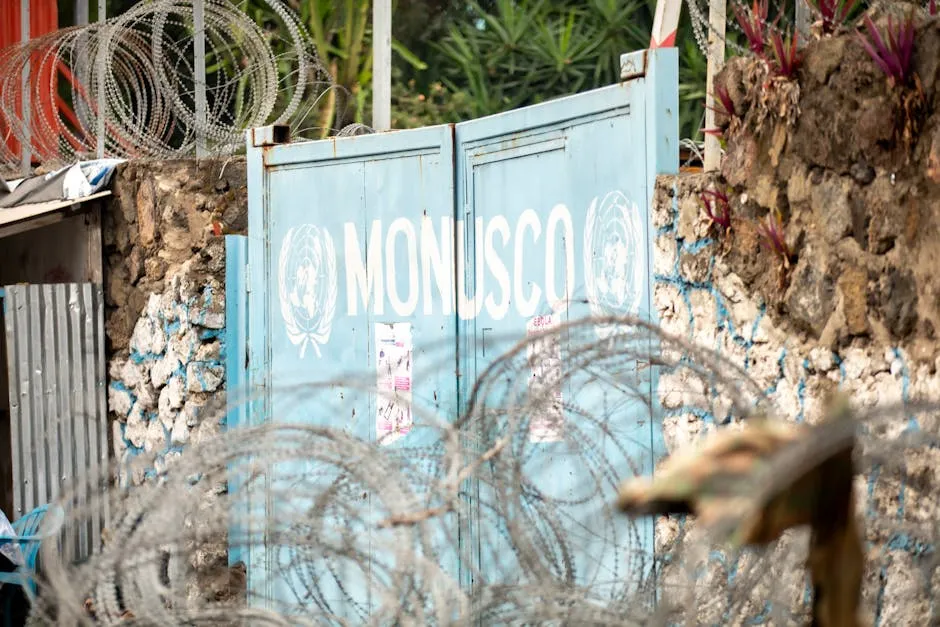
As the situation develops, optics of communal health efforts are vital in curtailing the outbreak’s propagation and protecting not just local populations but also the global community.
Source: BBC News
Source: BBC World News