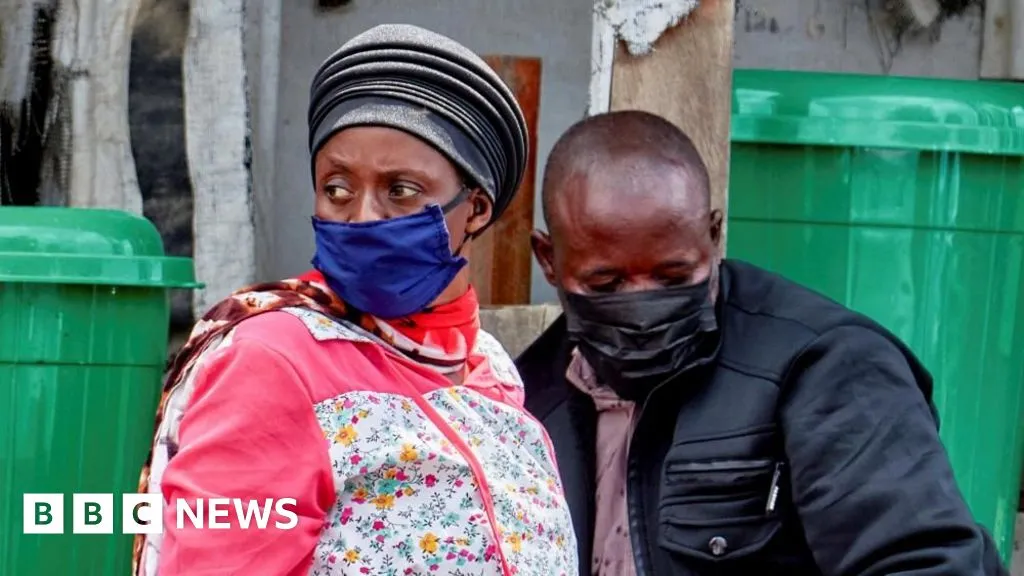
The World Health Organization (WHO) has dramatically elevated the Ebola risk in the Democratic Republic of Congo (DRC) to 'very high,' amidst an alarming surge of almost 750 suspected cases. This development signals a deepening public health crisis in the region, with WHO Director-General Dr. Tedros Adhanom Ghebreyesus affirming that the risk across Africa remains 'high', while the global threat level is currently assessed as 'low.'
The outbreak is primarily linked to the Bundibugyo strain of the Ebola virus, which is particularly concerning due to the absence of a proven vaccine. This strain has a staggering mortality rate, claiming the lives of approximately one-third of those infected. Reports indicate that there have been 177 suspected fatalities associated with the outbreak, raising serious alarm among health officials.
In a glimmer of hope, scientists at Oxford University are advancing the development of a new vaccine, inspired by their success with the AstraZeneca COVID-19 vaccine. Initial trials are anticipated to begin within the next two to three months, although there are no guarantees of its efficacy. Concurrently, preparations are underway at the Serum Institute of India to mass-produce the vaccine, pending the delivery of medical-grade materials from Oxford.
Meanwhile, an alternative experimental vaccine is entering development, but experts suggest that it could take six to nine months before any doses are available for clinical testing. Dr. Vasee Moorthy of WHO has emphasized the potential of this candidate, likening it to the already deployed Ervebo vaccine used for the more common Zaire species of Ebola.
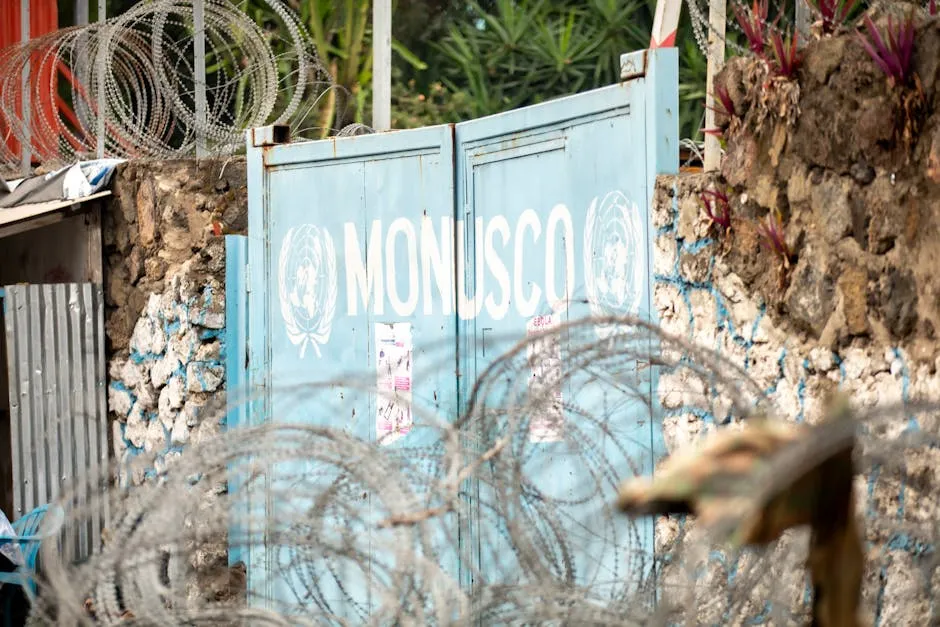
Dr. Tedros conveyed that the situation is dire, stating that out of 82 confirmed cases in DRC, seven have died. He noted that while Uganda has reported two confirmed cases—both linked to travel from the DRC—the situation remains stable. However, the ongoing conflict and insecurity in the region hinder effective containment efforts, complicating the response capabilities.
The unrest has surfaced starkly in eastern DRC, where chaos erupted as aggrieved relatives attempted to reclaim a body from a hospital, leading to violent protests. Local reports suggest individuals set fire to Rwampara General Hospital after health workers adhered to protocols meant to prevent contamination. Police intervened with warning shots to disperse the angry crowd, underscoring the urgency of safe burial practices to mitigate further spread.
As the WHO grapples with the outbreak, the international community finds itself in a race against time to deploy effective strategies to combat this latest Ebola crisis, illustrating the ongoing challenges faced in managing public health threats in vulnerable regions.
Source: BBC News
Source: BBC World News