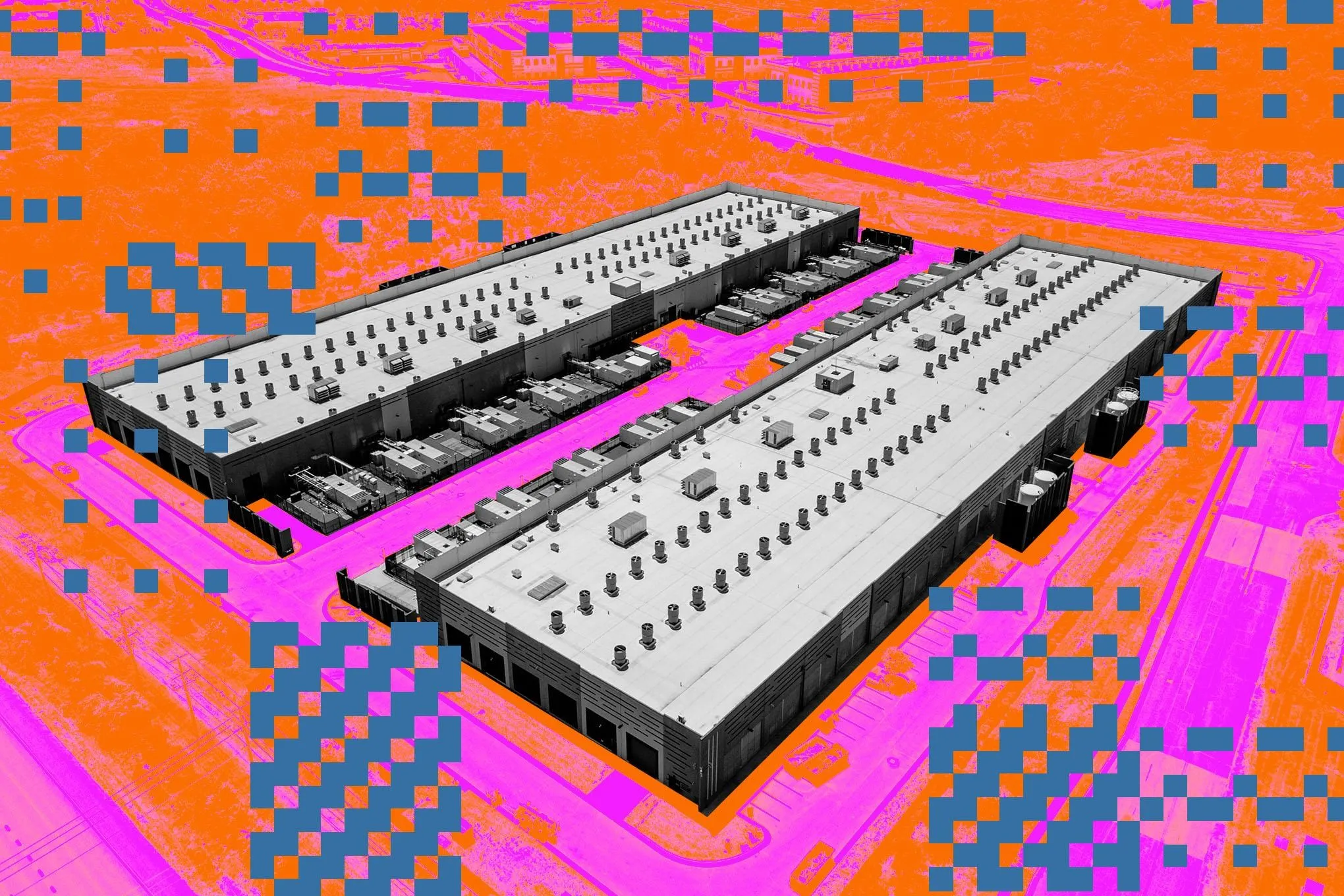
The rural landscape of America is rapidly evolving as data centers emerge as a significant player in the economic narrative, but the promised job gains may not be what they seem. Take the case of Jay, Maine, a small town once buoyed by its bustling Androscoggin paper mill, which employed approximately 1,500 people until its abrupt closure in 2020. Now, the site's future hangs in the balance as plans unfold for a giant data center on the very land where the mill once thrived.
The Rise of Data Centers in Rural America
Following its acquisition in 2023 by JGT2 Redevelopment, the shuttered paper mill has been earmarked for transformation into a data center by developer Tony McDonald. In what can only be described as a gamble for the local economy, McDonald is looking to capitalize on the site's resources, including Maine's cold climate and renewable energy potential, which accounts for 54% of the state's energy mix—one of the highest in the nation.
However, as various stakeholders from mill towns in Maine to agricultural regions in Indiana and Texas vie for the financial allure of data centers, the reality is that promises of job creation often fall short. More than 35 states have introduced incentives to attract the industry, yet there’s insufficient evidence to suggest that these massive installations deliver the enduring economic benefits they pledge.
Legislative Challenges
In a bid to gain clearer insights into the economic and environmental ramifications of data centers, Maine's state legislature proposed an 18-month moratorium on large data center projects. This move sought to give local communities time to analyze the potential impacts. Nonetheless, Governor Janet Mills vetoed the bill, emphasizing the necessity of the 125 to 150 jobs purportedly linked to the proposed $550 million facility.
As conversations swirl around the future of job opportunities in rural areas, experts note that many communities often lack the necessary resources to effectively evaluate the long-term consequences of such developments. Data from the Pew Research Center highlights that 67% of the planned data centers are slated for rural regions, with nearly 39% targeting counties yet to host such installations.
Checking the Hype
While the allure of technological advancement and employment beckons, caution is warranted. McDonald’s transition from selling the mill to data center development was partly spurred by failed negotiations with a wood products company and the resulting shift to what he calls “data center cowboys” seeking investment opportunities without substantial backing.
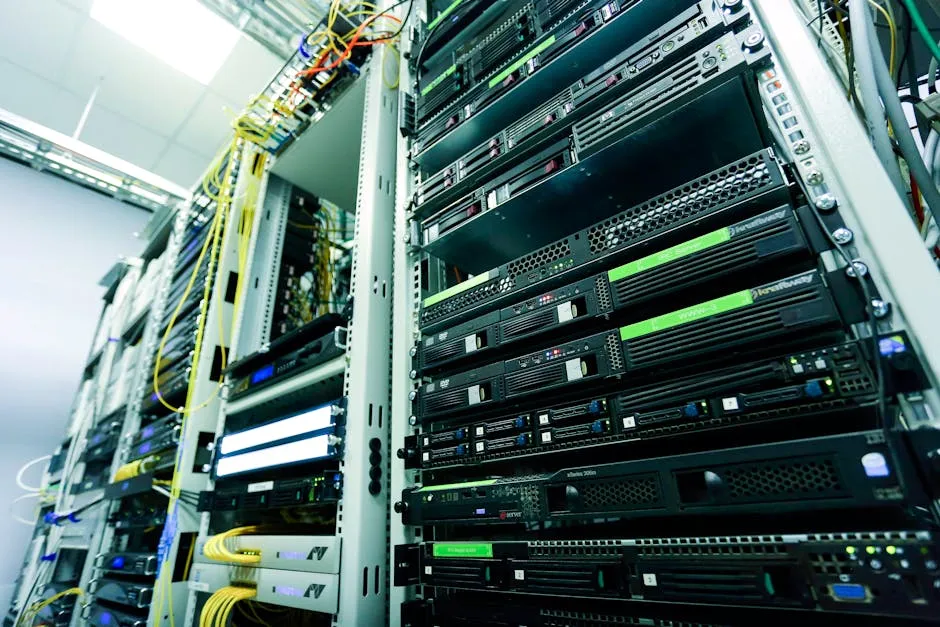
The proposed neocloud data center is designed to support high-performance computing, primarily for AI and machine learning applications. However, the energy demands for such facilities are substantial—the industry standard being over 100 kilowatts per rack, which raises serious concerns about resource consumption, water usage, and the overall impact on local infrastructure.
Confronting Future Realities
As rural communities grapple with these developments, the narrative of data centers bringing economic rebirth is fraught with uncertainty. What is clear is that the landscape of rural America is being reshaped, and how these changes translate into tangible benefits or detriments remains to be seen.
While business leaders like McDonald remain open to potential tax allowances if justified, local stakeholders must weigh the long-term vision against immediate gains as the data center movement marches on across a changing American terrain.
Source: The Verge
Source: The Verge