In a dramatic turn of events, Amazon's cybersecurity research has played a pivotal role in prompting the White House's export control directive, resulting in the ban of Anthropic's advanced AI models, Fable 5 and Mythos 5. This decision, reported by the Wall Street Journal, underscores the escalating tensions between the tech industry and government agencies regarding national security and AI ethics.
Recent discussions between Amazon CEO Andy Jassy and government officials spurred concerns over vulnerabilities in Anthropic's algorithms. Amazon's research purportedly revealed that its models could be exploited to conduct cyberattacks, leading to a swift government reaction that has now restricted foreign access to these tools. Notably, many Anthropic employees—who are foreign-born—now find themselves unable to utilize their own products.
Anthropic has countered the narrative presented by the government, asserting that the vulnerabilities cited do not constitute a “jailbreak.” The company claims that similar security issues can be identified using other AI models, such as the publicly available GPT 5.5. This perspective has found some backing among independent security experts, including Katie Moussouris, CEO of LutaSecurity, who described Amazon's findings as misrepresentative.
The friction between Anthropic and the administration has historical roots. The company has previously clashed with the Trump administration over its refusal to allow its technology to assist in mass surveillance efforts or the development of autonomous weaponry. In a significant escalation earlier this year, federal agencies were ordered to cease using Anthropic's AI services. Despite initial attempts to mend relations, the recent actions suggest that the divide may only be deepening.
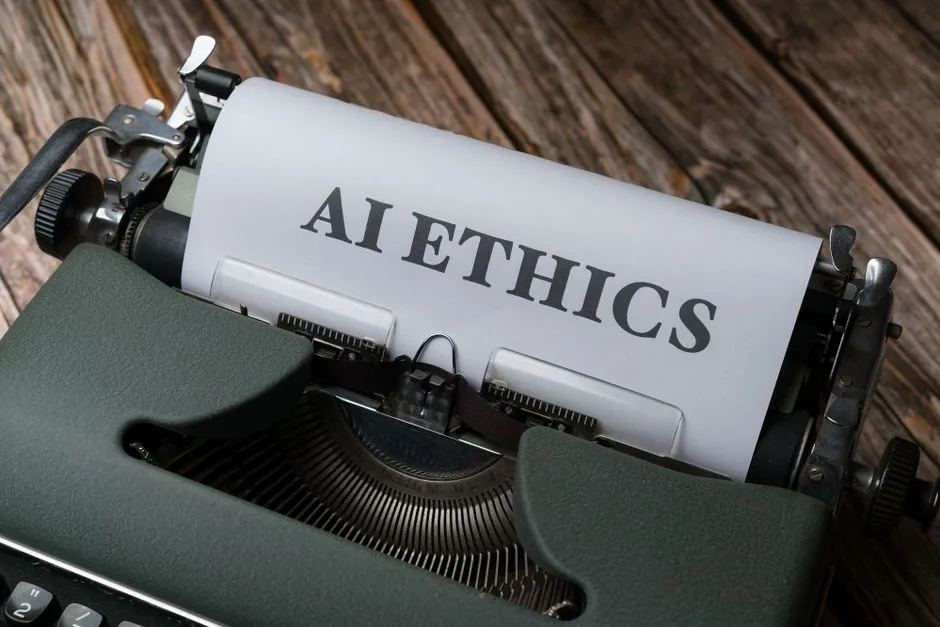
As government scrutiny over AI technologies continues to intensify, both companies and the public are left pondering the implications of this ban. The conflicting narratives reveal a complex landscape where innovation, security, and ethical considerations collide, raising fundamental questions about the future trajectory of AI development and its governance.
In light of these developments, industry experts and stakeholders will likely track the evolving dynamic between Anthropic, Amazon, and the U.S. government, as the ramifications of this prohibition could reach far beyond the confines of AI software.
Source: The Verge
Source: The Verge