In a critical advancement for sun safety, the U.S. Food and Drug Administration (FDA) has sanctioned a new chemical sunscreen filter for the first time in over two decades. The long-anticipated approval of bemotrizinol—also known as Tinosorb S—could revolutionize personal sun protection, lifting Americans from a cycle of ineffective formulations that have dominated the market since 1999.
26 Years of Waiting
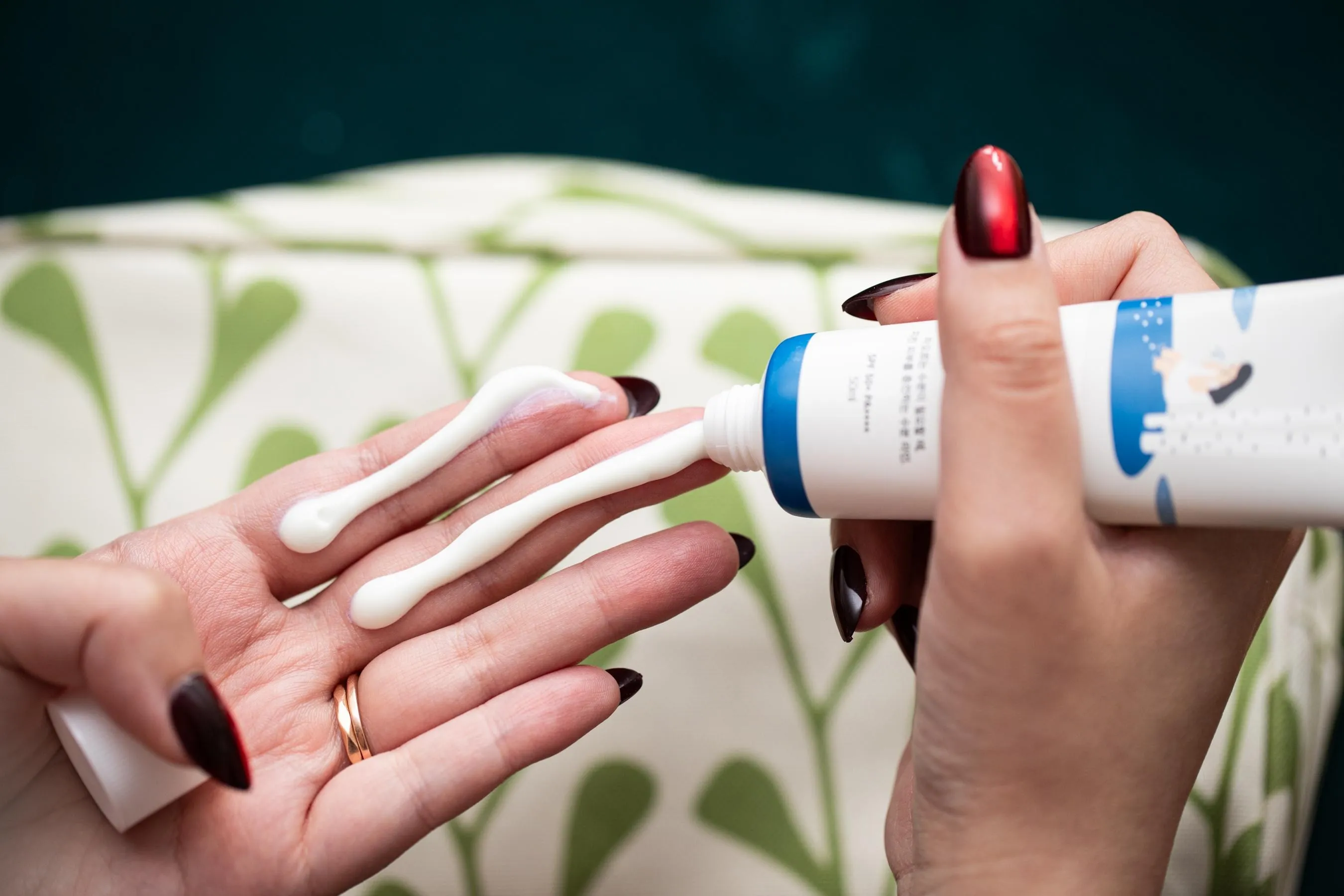
For 26 years, the American public has faced a scarcity of innovative sunscreen options, compromising effective skin protection in the face of rising skin cancer cases. While countries like Australia, Europe, and Asia have enjoyed advanced formulations that blend easily, feel pleasant, and offer long-lasting protection, Americans have endured sunscreens marred by greasy textures, white casts, and ineffective SPF levels.
Concerning trends on social media have seen a rise in anti-sunscreen sentiment, propagated by influencers asserting the dangers of chemical sunscreen components. These claims often overlook scientific backing and lead to a misguided aversion to necessary sun protection.
The New Hope: Bemotrizinol
The newly approved bemotrizinol arises as a beacon of hope, offering broad-spectrum protection against both UVA and UVB rays. As a larger molecule, it is designed not only to stay on the skin's surface but also to enhance the stability of other sunscreen ingredients while being less likely to penetrate the bloodstream. This critical safety profile addresses public concerns that have flourished in recent years surrounding the absorption of older chemical filters.
The FDA's designation of bemotrizinol as Generally Recognized As Safe and Effective (GRASE) is pivotal in shifting the narrative that chemical sunscreens pose a health risk. This decision could quell the damaging misinformation that discourages sunscreen use, particularly in a nation where skin cancer remains the most common cancer.
Shifting Perceptions and Improving Public Health
As dermatologists and health professionals advocate for sun safety, the debate surrounding sunscreen continues, but with the FDA's endorsement, it's clear that better options are on the horizon. The approval of bemotrizinol is not just a regulatory victory; it symbolizes a shift toward more effective and consumer-friendly products that may encourage entire generations to embrace sun protection.

As the world grapples with climate change and prolonged sun exposure, protecting skin should be a priority, enabled by advancements in scientific research and development. With bemotrizinol on the shelves soon, one can only hope that the stigma surrounding sunscreen will dissipate, correlating with a healthier, more sun-smart public.
Source: The Verge