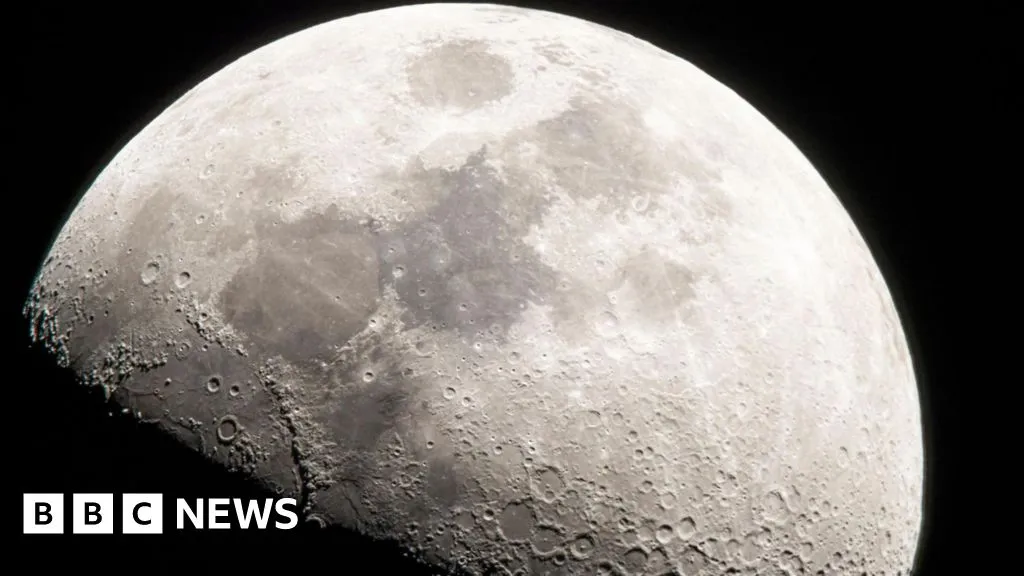
NASA is forging ahead with groundbreaking plans to establish a permanent human presence on the Moon, unveiling an arsenal of robotic landers and drones intended to prepare the lunar terrain for future explorers. As the international space race intensifies, particularly with China's ambitious lunar goals, the urgency for the United States to stake its claim is palpable.
Unveiling the Robotic Horizon
On Tuesday, NASA revealed that it has partnered with leading aerospace companies, including Blue Origin, Intuitive Machines, and Astrobotic, to develop advanced robotic technologies tasked with scouting the Moon's rugged environment. This initiative, part of NASA's newly branded Ignition Moon Base program, is set to include hopping drones and roving vehicles that will provide essential logistics and mapping capabilities ahead of human missions.
NASA Administrator Jared Isaacman stated that with these developments, the U.S. is determined to maintain a lasting foothold on the Moon, emphasizing that the American presence there is now non-negotiable. The goal is to have astronauts land on the Moon again before President Donald Trump exits the White House in 2028, amid fierce competition from China, which is eyeing a crewed lunar mission by 2030.
A Strategic Race Against Time
China recently bolstered its space ambitions with the launch of the Shenzhou-23 spacecraft to its Tiangong space station, further intensifying the stakes for NASA's lunar aspirations. With a $20 billion investment in a sustainable Moon base powered by nuclear and solar energy slated for completion by 2032, experts express skepticism regarding the feasibility of such timelines.
Dr. Simeon Barber, a lunar scientist from Open University, voiced concerns over NASA's ability to deliver, suggesting that setbacks in developing a reliable crew transport vehicle may hinder its objectives. Despite the successful Artemis II mission, which saw four astronauts orbiting the Moon in April, the path to secure human landings remains fraught with challenges.
Building the Infrastructure for Future Lunar Living
The Ignition Moon Base program will unfold in three phases, with the first stage focusing on deploying robotic units to scout the Moon's South Pole, a region rich in potential resources like frozen water, which could be used for life support and fuel production. Plans include a lunar lander named Endurance, engineered by Blue Origin, capable of precise landings and autonomous navigation on the lunar surface.
Looking Forward: Human Habitation on the Moon
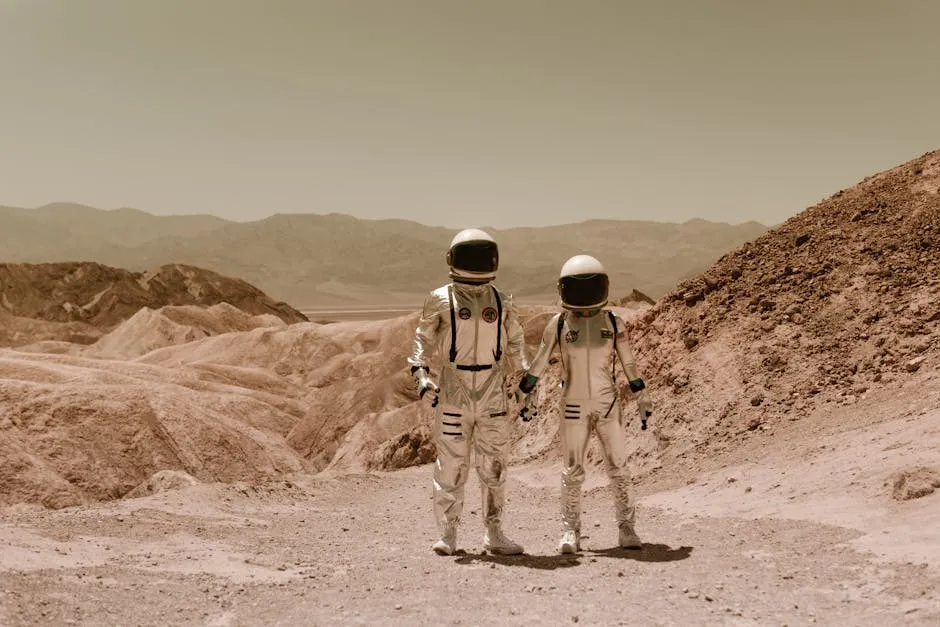
If all goes according to plan, human habitation could commence by 2032, featuring ‘semi-permanent’ housing and long-range rovers to facilitate exploration across the lunar landscape. The establishment of nuclear and solar power facilities will provide the necessary energy, laying the groundwork for sustainable human activity on the Moon.
Despite the optimism surrounding these developments, experts remind us that the primary challenge remains ensuring a safe and reliable crew transport system. Contracted to SpaceX, the Starship Human Landing System has faced its fair share of delays, prompting experts to remain cautious about the timeline.
As NASA charts its course toward a permanent presence on the Moon, the world watches closely, aware that the next decade could redefine humanity's relationship with our celestial neighbor.
Source: BBC Science