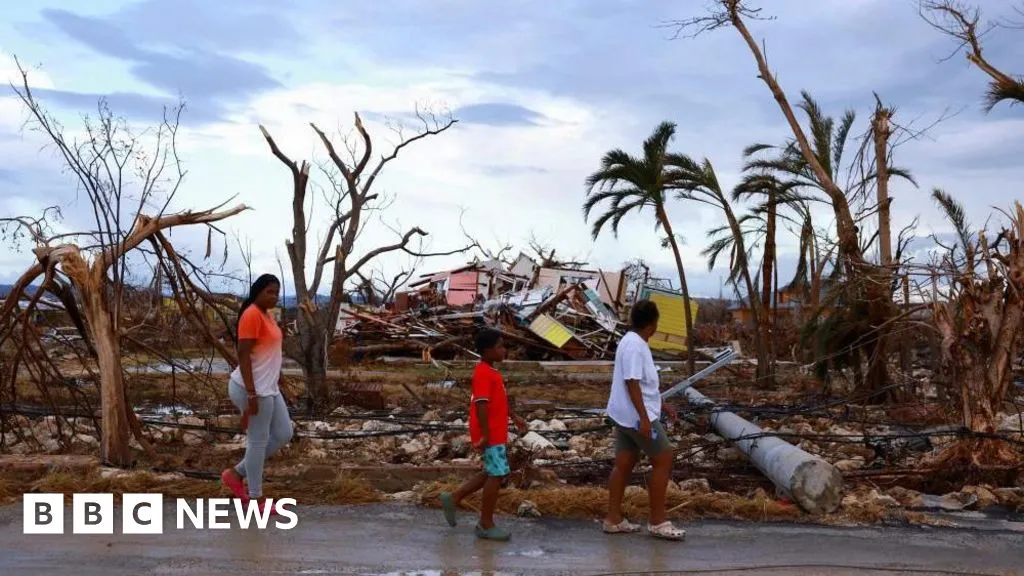
The fury of tropical storms is intensifying, raising alarms about the intricate relationship between climate change and the ever-powerful hurricanes and typhoons. As global temperatures continue to rise, scientists warn that the storms brewing in our oceans are becoming more relentless, even as their numbers remain relatively stable.
The Forecast for 2026
The 2026 Atlantic hurricane season is projected to be quieter than usual, with the National Oceanic and Atmospheric Administration (NOAA) estimating only three to six hurricanes between June and November. This forecast contrasts sharply with the anticipated above-average hurricane activity set to unfold in the central and eastern Pacific, primarily influenced by the developing El Niño phenomenon. While El Niño disrupts Atlantic storms, it simultaneously spurs activity in the Pacific, leading to a complex interplay of climate dynamics.
What Are Hurricanes and Where Do They Occur?
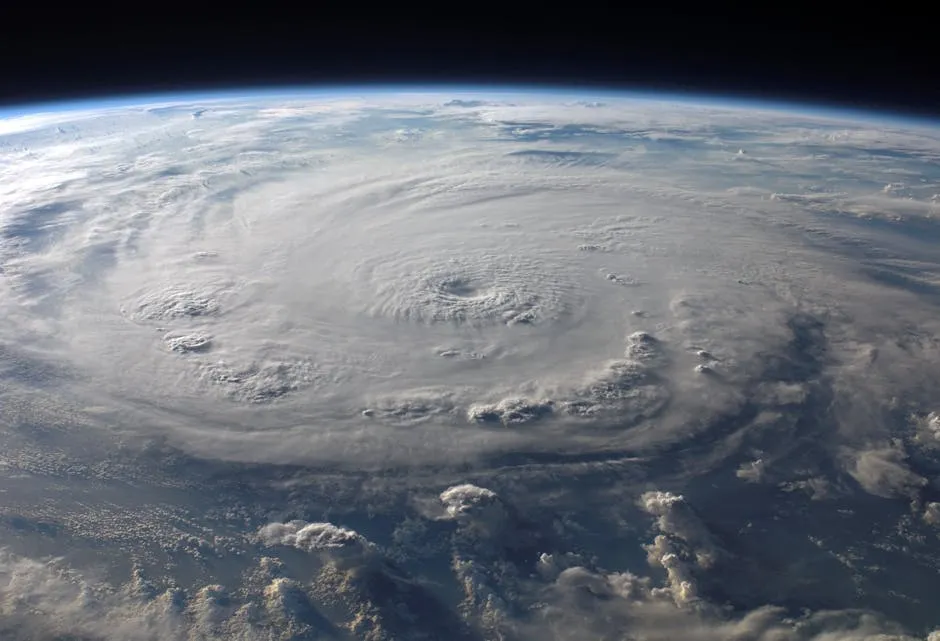
Hurricanes, known regionally as typhoons or cyclones, are powerful storms that form over warm tropical ocean waters. Characterized by their gale-force winds, torrential rain, and devastating storm surges, these tropical cyclones pose significant risks to life and property. Storms gaining wind speeds of 111 mph (178 km/h) or higher are classified as major hurricanes, underscoring the destructive potential they carry.
The Formation of Tropical Cyclones
These storms originate from atmospheric disturbances like tropical waves or low-pressure systems, where moisture-laden warm air rises from the ocean's surface. The rotation of the Earth contributes to the spinning motion of the winds, essential for the storm's development. Conditions need to align perfectly: sea temperatures must typically exceed 27°C to catalyze the storm's growth, complemented by minimal vertical wind shear.
Are Hurricanes Getting Worse?
While the overall frequency of tropical cyclones has not necessarily increased globally over the past century—and might even have decreased in some regions—evidence suggests that a larger proportion of these storms are reaching category three status or higher. Reports from the Intergovernmental Panel on Climate Change (IPCC) indicate medium confidence that the average intensity and peak rainfall rates associated with these storms have escalated, largely influenced by a warming planet. Furthermore, the phenomenon of rapid intensification—where storms gain strength explosively—has been observed more frequently in the Atlantic, presenting heightened risks to coastal communities.
The Climate Change Connection
Disentangling the exact effects of climate change on individual storms proves complex. Nevertheless, warmer oceans offer storms more energy, amplifying wind speeds. A recent study attributed an average increase of 19 mph (30 km/h) in maximum wind speeds of hurricanes from 2019 to 2023 directly to human-induced ocean warming. Additionally, a warmer atmosphere holds more moisture, resulting in heavier rainfall. The extreme deluge from Hurricane Harvey in 2017, for instance, was estimated to be three times more likely due to climate change influences.
Furthermore, rising sea levels, spurred by both melting ice and thermal expansion of seawater, exacerbate the impact of storm surges, leading to coastal inundation and considerable damage. As such patterns continue, new areas may find themselves on the path of destruction from storms that once posed little threat.
The narrative surrounding hurricanes and climate change is a sobering reminder of the environmental shifts underway globally, emphasizing the urgent need for effective climate strategies and resilient infrastructure.
Source: BBC Science