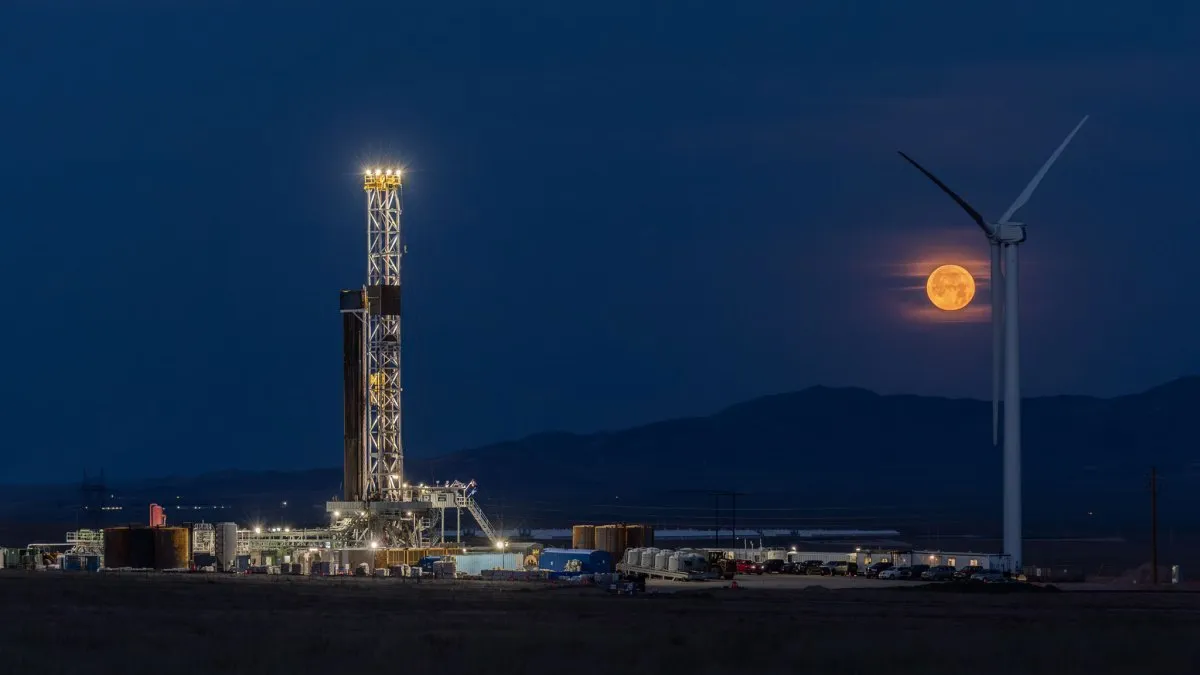
Fervo Energy, a trailblazer in enhanced geothermal technology, is set to embark on a bold initial public offering (IPO) with the goal of raising up to $1.3 billion. This ambitious financial maneuver could elevate the company's valuation to a staggering $6.5 billion, should shares debut at the upper end of its projected price range of $21 to $24.
The upcoming IPO marks a significant leap from earlier valuations that suggested Fervo was pursuing a figure closer to $3 billion when it first filed confidential paperwork with the SEC earlier this year. Trading under the ticker symbol FRVO on the Nasdaq, the company’s move comes in the wake of a successful IPO by competitor X-energy, which recently netted $1 billion, reflecting a growing investor enthusiasm for sustainable energy ventures.
As the demand for electricity soars—spurred by a surge in operations from tech giants racing to power energy-hungry AI data centers—Fervo finds itself at a pivotal moment. The prices of new natural gas power plants have skyrocketed by 66% in just two years, creating favorable market conditions for alternative energy sources like geothermal.
Fervo aims to position itself at the forefront of this transition with its Cape Station power plant, its inaugural large-scale project, which is projected to generate electricity at $7,000 per kilowatt of installed capacity. However, the company's ambition extends far beyond this initial pricing;, it is actively pursuing a reduction to $3,000 per kilowatt— a threshold that would make it competitive with traditional natural gas options.
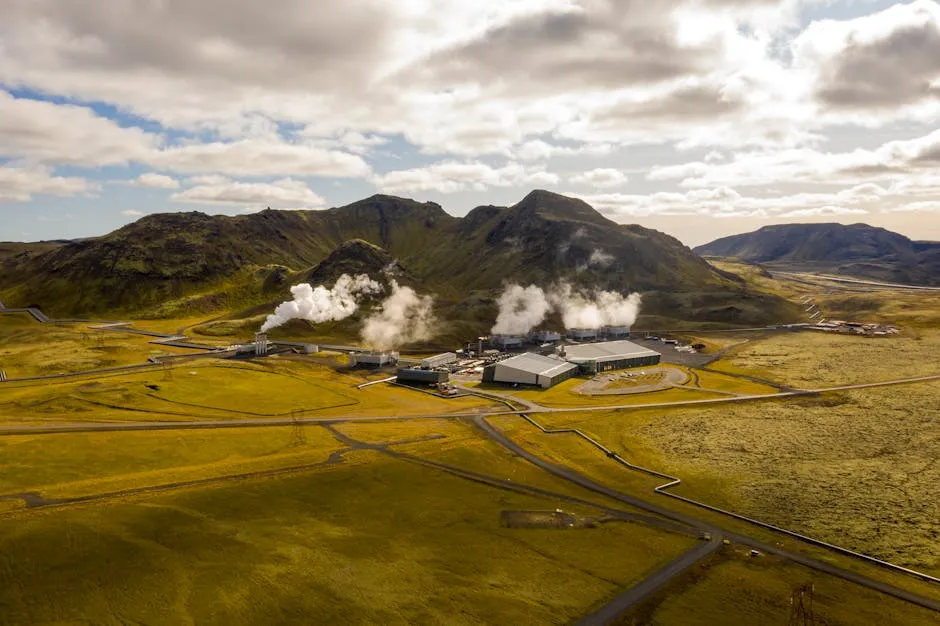
As investors increasingly seek sustainable solutions to meet the burgeoning energy demands of the digital age, Fervo Energy's IPO is likely to garner significant attention, not just for its potential financial returns but also for its promise of advancing renewable energy technologies in a time of climate urgency.
With climate change driving an urgent need for innovative power generation solutions, companies like Fervo are poised to play a critical role in reshaping the energy landscape in the coming years.
Source: TechCrunch