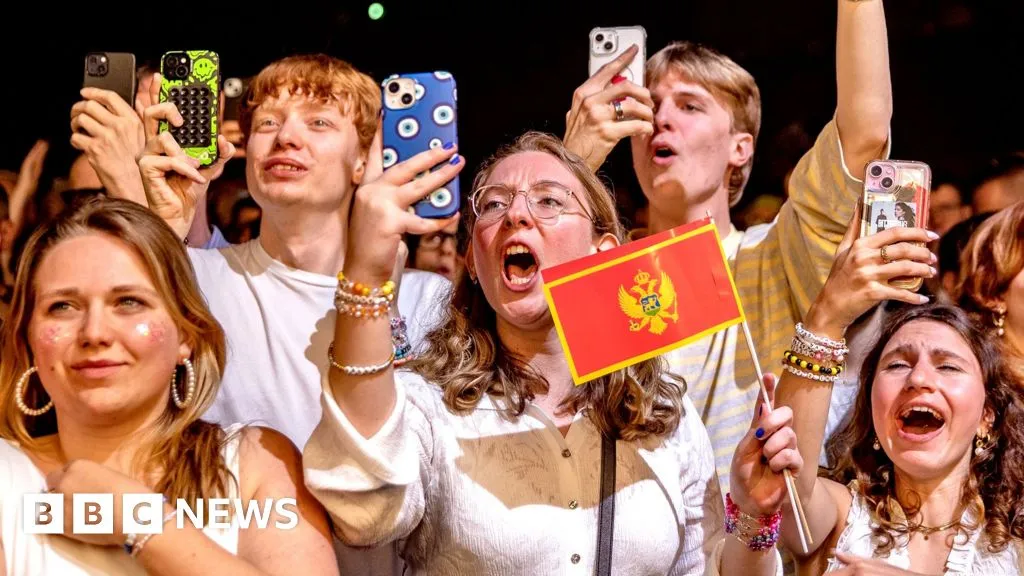
As preparations for the 2026 Eurovision Song Contest unfold in Vienna, a storm of controversy brews around Israel's participation, causing significant rifts within the enthusiastic fan community. This year marks the 70th anniversary of the iconic music festival, but the specter of political boycotts threatens to overshadow the customary celebrations, leaving many fans questioning their engagement.
With Spain, Ireland, the Netherlands, Slovenia, and Iceland opting out of this year's contest, the anxieties over Israel's presence have reached a boiling point. The withdrawal of these countries comes in the wake of heightened tensions following Israel's military operations in Gaza, spurred by a Hamas-led attack in October 2023 that resulted in devastating casualties. The death toll in Gaza has surpassed 72,000, with a ceasefire attempt only taking root by October 2025.
Last year's contest in Basel unveiled the depth of the controversy, as anti-Israel protests erupted, exacerbated by an unsettling climate where performers required armed security. Notably, Yuval Raphael, a contestant and survivor of the October attacks, faced the chilling prospect of public backlash as she performed her poignant entry, "New Day Will Rise." Following a public vote that saw her song soar, some critics attributed the outcome to orchestrated support from Israeli political figures, raising questions about the integrity of the competition.
This atmosphere of dissent culminated in a proposal during last November's meeting to vote on Israel's participation, which was ultimately rejected, leading to the departures of major nations from the contest. Iconic for its celebration of unity and diversity, the Eurovision Song Contest now faces an unprecedented identity crisis, leaving devoted fans in a state of turmoil.
“The Eurovision we once knew, that shaped this community and inspired us, just isn’t the one we fell in love with all those years ago,” reflected the team behind Eurovision Hub, a prominent fan page. Similarly, Ireland's Eirevision podcast lamented, “A contest founded on unity, peace, and connection has never felt more divided.”
Despite the discord, many fans are seeking ways to navigate this turbulent landscape. Welsh fan Philip Dore penned an insightful piece on ESC Insight, positing essential questions around what Eurovision means to its audience amidst controversy. Highlighting Eurovision's deep-rooted connections to the LGBTQ+ community and neurodiversity, he outlined potential strategies for conflicted fans, from outright boycotts to a more nuanced approach of disengaging once the contest moves to Vienna.
As the turquoise carpet is laid out for the performers, the heart of Eurovision—a tapestry woven with the hopes and aspirations of millions—hangs in the balance. For the fans, their commitment to the festival now depends not just on the music, but also on navigating an intricate web of emotion and ethics that characterizes this year's event.
With the stage set and the world watching, the question remains: Will this year’s celebrations be able to capture the unifying spirit of Eurovision, or will it be irrevocably tainted by the bitter politics that threaten its legacy?
Source: BBC Entertainment