Western Europe is grappling with the devastating impacts of a relentless heatwave, as temperature records are not merely being broken, but obliterated. The mercury has soared past the 35°C mark in the UK, eclipsing the previous May record by over 2°C, setting off alarm bells among climate experts.
“Absolutely astonishing,” noted Friederike Otto, a leading climate scientist at Imperial College London, while Peter Thorne, director of the Icarus Climate Research Centre at Maynooth University, characterized the situation as “mind-bogglingly crazy.” The intensity of this early-season heatwave is unprecedented, with France's Météo-France reporting hundreds of shattered heat records nationwide.
This extreme warmth is not restricted to the UK and France; Germany, Italy, Spain, and Switzerland are all facing unusually high temperatures for this time of year, driven by a relentless atmospheric phenomenon known as a “heat dome.” This system of high pressure traps warm air beneath it, creating a sauna-like effect.
However, climate scientists agree that the profound influence of human-driven climate change has magnified this phenomenon, primarily stemming from the combustion of coal, oil, and gas. The Copernicus Climate Service highlights that Europe has warmed by an alarming rate of 0.56°C each decade over the past 30 years—more than double the global average.
“When we experience a heatwave now, it’s significantly more severe because it’s superimposed on an already warming climate,” explained Richard Betts, head of climate impacts research at the Met Office. “Having been a climate scientist for over three decades, I can attest that we are witnessing the anticipated extremes happening sooner than we had predicted.”
Outside of Europe, the heatwave extends to regions worldwide, with temperatures soaring to 45°C in Delhi, India. Such widespread climatic extremes beg the question: why are records not only being surpassed but dramatically smashed?
The Mechanics of Record-Smashing Heat
As the scientific community compiles years of temperature data, under stable climatic conditions, new records should theoretically become more infrequent. Erich Fischer, professor at ETH Zurich, likened exceeding long-standing records to setting new personal bests in athletics. “If you break a world record in high jump, the expectation is that you’ll surpass it by a modest margin—maybe one or two centimeters—not by several meters,” he explained.
Yet, in a warming world where rare weather systems like the current heat dome emerge, the potential for records to be shattered grows exponentially. Fischer stated, “During a period of rapid warming, if weather patterns from the 1970s were to recur today, the new records would not just nudge higher, they would obliterate previous highs.”
These record-breaking events signal a concerning trend moving forward, as demonstrated by a study revealing that nearly 30% of active U.S. weather stations set records for unseasonable temperatures just three months earlier. Robert Rohde, chief scientist at Berkeley Earth, described the scope of these anomalies across the western U.S. as “utterly absurd.”
The Future of Extreme Heat
With global temperatures rising steadily—now approximately 1.4°C above pre-industrial levels due to human activities—future scenarios indicate that warming could approach 3°C by the century's end if current climate policies remain unchanged. This trajectory portends even more severe heatwaves, particularly affecting countries like the UK and Switzerland, which are ill-equipped to handle such extreme heat.
“The climate we inhabit today is fundamentally different from the one we once knew,” cautioned Prof. Otto. “Our infrastructure is woefully unprepared for what’s coming next.”
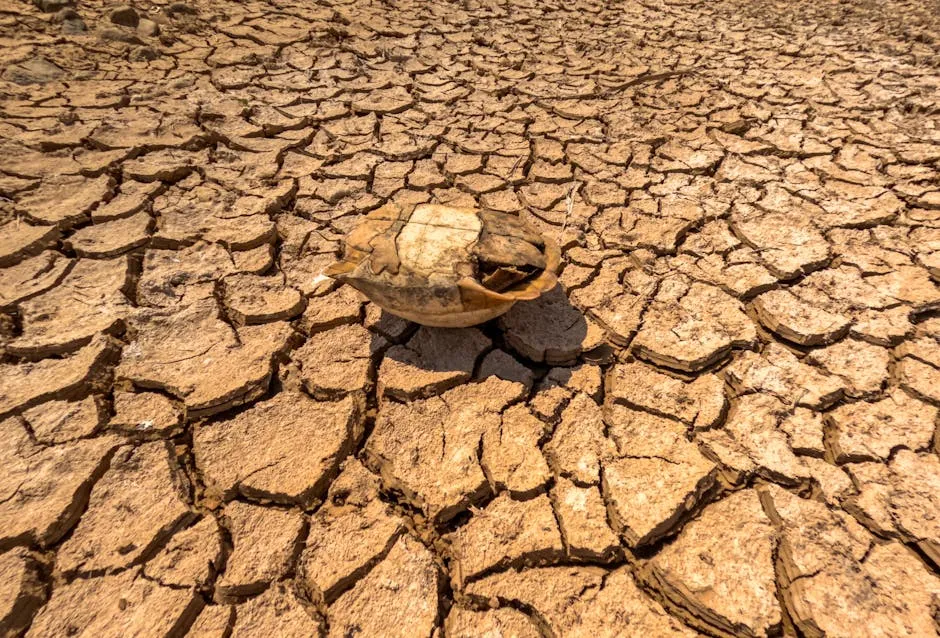
As Europe contemplates this summer of extremes, the implications of climate change loom larger than ever, igniting urgent discussions about resilience, adaptation, and our planet's future.
Source: BBC Science