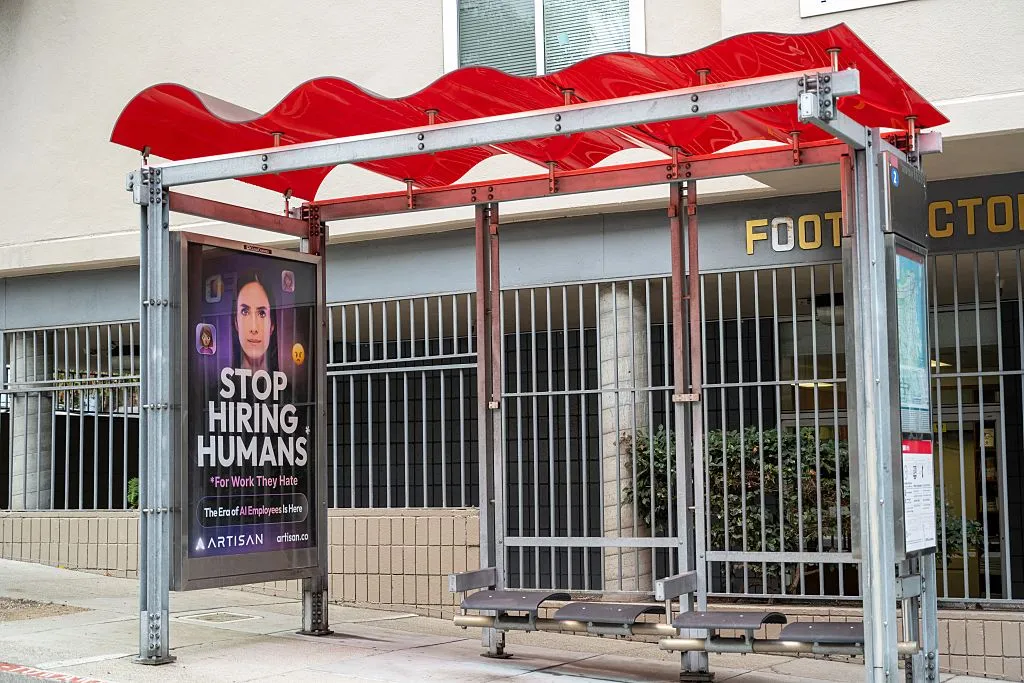
The creator of the viral meme 'This is Fine' is taking a stand against what he describes as the theft of his artwork by the AI startup Artisan. KC Green, famed for his anthropomorphic dog comic that endures as a cultural touchstone, expressed outrage after discovering his work featured in an advertising campaign that promotes abandonment of human employees in favor of artificial intelligence.
Recent posts on social media highlighted a subway station advertisement where Green's artwork was co-opted, showcasing the iconic dog now declaring, '[M]y pipeline is on fire,' beneath a bold message urging the public to 'Hire Ava the AI BDR.' Angered by the unauthorized use of his creation, Green lamented on Bluesky that "this is not anything I agreed to" and encouraged followers to "please vandalize it if and when you see it." He characterized the incident as emblematic of how AI technology often operates without respect for artists' rights, stating bluntly, "it's been stolen like AI steals." 
In response to the backlash, Artisan acknowledged the issue, with CEO Jaspar Carmichael-Jack expressing admiration for Green and conveying intentions to directly engage with him. This is not Artisan's first brush with controversy; the startup has previously incited debate with advertisements boldly declaring to businesses, "Stop hiring humans," although Carmichael-Jack insists the intent was misinterpreted, aiming to spark discourse about role shifts in industry rather than devaluing human contributions altogether.
'This is Fine' first captured the internet's imagination in 2013 through Green's webcomic 'Gunshow,' but the image's journey since has led to a variety of adaptations that have strayed far from its original meaning. As Green explored recent adaptations of his work, including developing it into a game, he recognized that the meme has evolved beyond his control and often in ways he finds objectionable.
Green's grievances are not isolated; many artists feel the impact of their work being appropriated in the burgeoning landscape of AI-driven art and marketing. He conveyed his frustration about the legal battle he now faces to protect his intellectual property, indicating a move toward seeking legal representation. "It takes the wind out of my sails to deal with these legalities rather than focusing on my passion for drawing comics and stories," he articulated. "These no-thought A.I. losers aren’t untouchable, and memes just don’t come out of thin air." The conflict raises pivotal questions about copyright in the digital age and the responsibilities of AI companies to respect creative ownership.
As the discourse surrounding artificial intelligence and creative expression escalates, the case of KC Green serves as a bellwether for artists feeling disenfranchised in the face of rapid technological advancement. The outcomes of such disputes may well reshape the landscape of how digital art and its creators are recognized.
Source: TechCrunch
Source: TechCrunch