
In a remarkable archaeological breakthrough, researchers have unearthed a previously unknown structure that predates the iconic Stonehenge by 500 years, located just three miles from the renowned site. This ancient monument, consisting of two post pits, offers fresh insights into the celestial practices of Neolithic societies.
The groundbreaking find, situated near the village of Bulford, reveals two circular holes that likely once held wooden posts aligned to capture the sun's trajectory during the summer and winter solstices—much like their more celebrated cousin, Stonehenge. Estimated to be around 5,000 years old, this structure is a testament to the early humans' sophisticated understanding of astronomy.
Phil Harding, an archaeologist with Wessex Archaeology who led the excavation, characterized the discovery as one of the most significant in his career. "These two post pits provide a much clearer window into the lives of people from 5,000 years ago," he stated. "They illustrate not only their communal gatherings but also their reverence towards the celestial bodies.
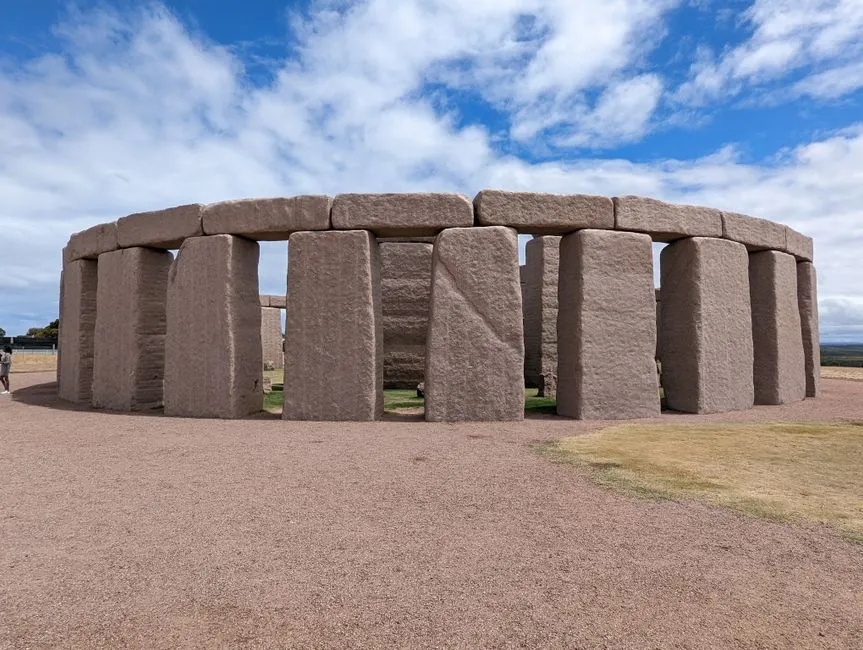
"The celestial positions do change gradually over centuries, which makes the alignment significant," explained Dr. Fabio Silva, an archaeoastronomer from Bournemouth University. "When adjusted for the width of the posts, the alignment corresponds exactly with both the sunrise of the summer solstice and the sunset of the winter solstice.”
The excavated site revealed not only the post pits but also an abundance of artefacts that enrich our understanding of the community that thrived there. Among these discoveries were pottery fragments, tools made of flint, and animal bones, which suggest a complex social fabric and cultural practices surrounding the site. A particular highlight was a discoidal Neolithic knife, exhibiting impressive craftsmanship, which Harding aptly described as their "star find." His intrigue was piqued by the knife’s positioning, hinting at possible ceremonial significance.
"This remarkable discovery sheds light on the very beginnings of monumental architecture in this region," commented Harding. "Bulford's alignment and craftsmanship might not only reflect a practical aspect of their lives but perhaps a symbolic connection to the sun itself." This find emphasizes the sophistication of prehistoric communities and their intricate relationships with their environment and the cosmos.
The echoes of this ancient society now challenge our understanding of early human astronomical knowledge and community organization, potentially paving the way for further discoveries in the vicinity. As experts continue to explore the site, one thing remains clear: the quest to understand our ancestors’ celestial alignments is far from over.
Source: BBC News
Source: BBC Science